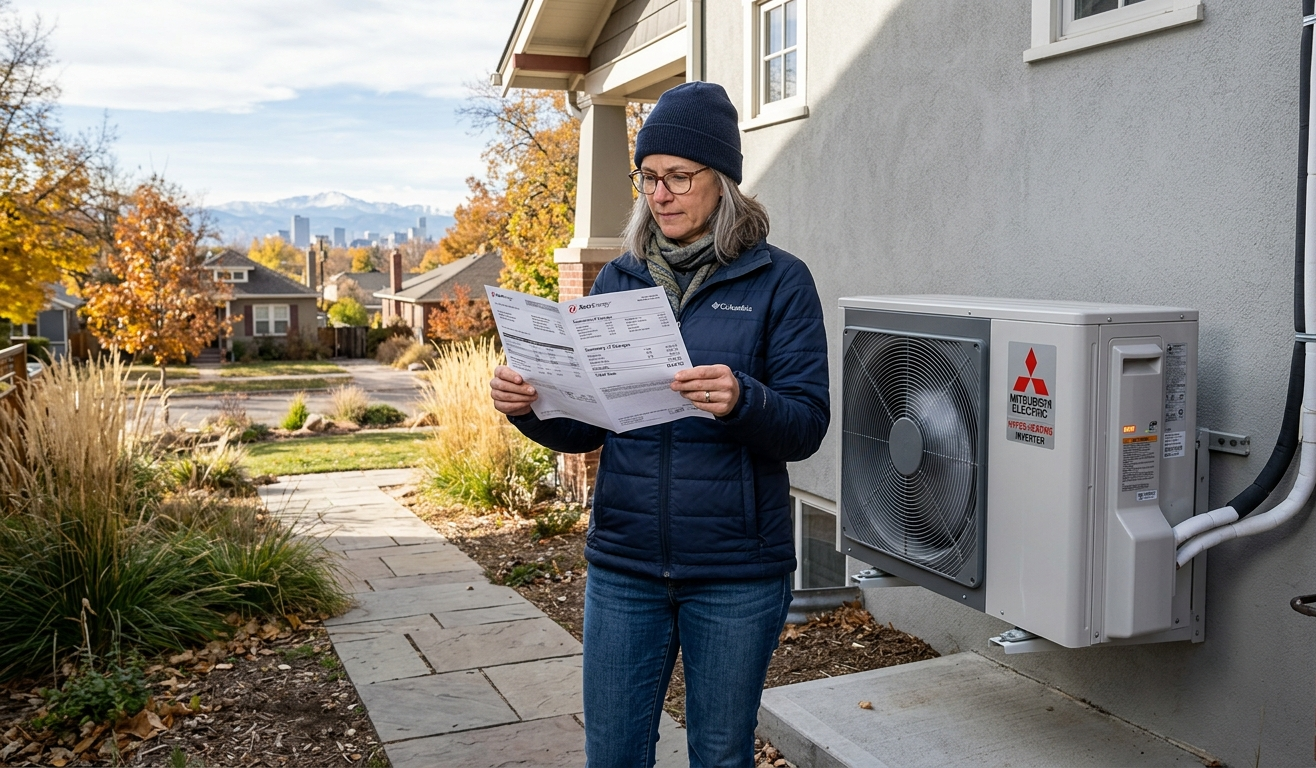
Homeowners often assume their heat pump will simply run when needed, quietly, efficiently, and without much attention. But heat pumps are far more hardworking than most people realize. Unlike traditional HVAC systems that operate for only one season at a time, heat pumps handle both heating and cooling, which means they’re running almost year-round.
Over time, even small issues like a clogged filter or dusty coil can snowball into bigger problems that affect performance, comfort, and long-term reliability. And in a climate as unpredictable as Denver’s, where the weather can jump 40 degrees in a single day, your heat pump is under more stress than you might expect. That’s why routine maintenance from a trusted provider offering
Heat Pump Service Denver CO isn’t just a good idea; it’s a fundamental part of keeping your home comfortable and your energy bills manageable.
If you’ve ever wondered whether regular maintenance is worth the investment, the short answer is yes, and this guide will walk you through exactly why. From what maintenance actually includes, to the specific risks of skipping it, to what you should and shouldn’t do as a homeowner, you’ll get a clear picture of how to keep your heat pump performing at its best. Most importantly, you’ll see how proper upkeep protects your system, your comfort, and your wallet over the long term.
Why is routine heat pump maintenance more important than you think?
Routine heat pump maintenance is more important than many homeowners realize because heat pumps work throughout the entire year, handling both heating and cooling loads. This continuous operation causes components like coils, refrigerant lines, motors, and electrical connections to accumulate strain more quickly than single-season HVAC systems.
Without regular tune-ups, the system’s efficiency can drop significantly often by 10–25% leading to higher energy bills, uneven heating or cooling, unnecessary wear, and a greater risk of breakdowns. Routine maintenance also helps prevent expensive repairs by catching small issues early, such as refrigerant leaks, airflow restrictions, or failing electrical parts. According to the
U.S. Department of Energy, proper maintenance is one of the most effective ways to ensure peak performance and prevent premature equipment failure.
By scheduling yearly inspections and addressing simple tasks like filter changes, homeowners can extend their heat pump’s lifespan, improve indoor comfort, and maintain reliable, efficient operation especially in climates like Denver where systems work harder due to rapid temperature shifts. Partnering with a reliable Heat Pump Service Denver CO provider makes these tune-ups simple and consistent.
What Maintenance Is Required for a Heat Pump?
Heat pump maintenance involves a combination of cleaning, inspection, testing, and adjusting various parts of the system to ensure everything functions correctly. Most issues start small, dust buildup, a loose wire, a low refrigerant level, but when left unaddressed, they can quickly escalate into costly repairs or uncomfortable indoor temperatures.
Maintaining your heat pump means taking care of both the indoor air handler and the outdoor condenser unit, since they work together to move heat in and out of your home.
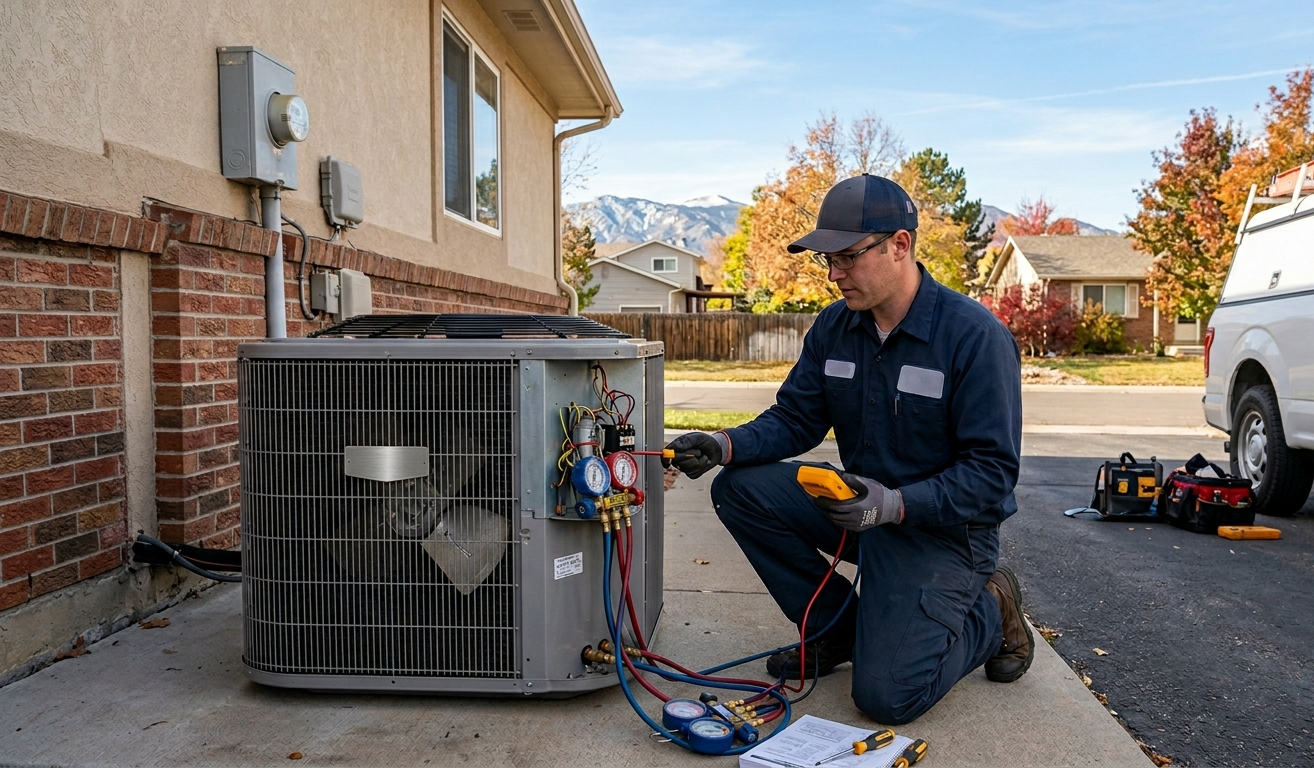
A typical professional maintenance appointment includes:
- Inspecting and replacing filters
- Cleaning indoor and outdoor coils
- Checking refrigerant levels
- Evaluating airflow
- Tightening electrical components
- Confirming the thermostat and controls are calibrated correctly
Each piece contributes to the system’s overall efficiency. For example:
- Dirty coils restrict heat transfer, forcing the system to work harder and use more energy.
- Low refrigerant levels can cause the system to freeze or overheat.
- Loose electrical connections can lead to shorts, shutdowns, or equipment damage.
When you consider how interconnected these components are, it’s easy to see why routine checks are necessary, not optional. And if you ever need a trusted local provider, Heat Pump Service Denver CO is a reliable resource for these tune-ups across the metro area.
What Would Be Routine Maintenance for a Heat Pump?
Routine heat pump maintenance is a combination of homeowner tasks and professional tasks, each playing a crucial role in keeping the system efficient. Homeowners can handle some responsibilities on their own, while more technical or hazardous tasks should always be left to a licensed technician from a company that specializes in Heat Pump Service Denver CO.
What Homeowners Should Do Regularly
- Change or clean air filters on schedule. A clogged filter restricts airflow, forcing the heat pump to run longer and harder, which increases energy consumption and strains internal components.
- Keep the outdoor unit clear by removing leaves, branches, snow, or debris that might obstruct airflow. This improves performance and helps prevent iced-over coils in winter.
- Keep vents open and unblocked indoors to maintain balanced airflow and avoid hot or cold spots.
These small steps dramatically support the work your professional Heat Pump Service Denver CO technician does during annual tune-ups.
What Professionals Should Handle
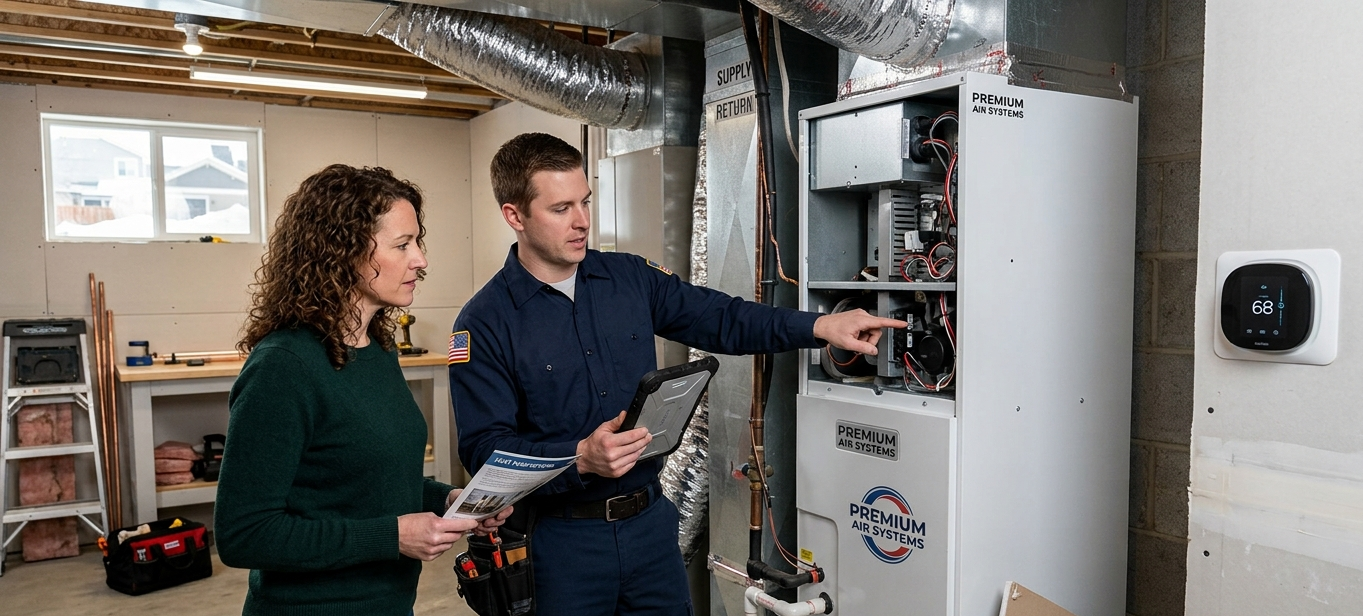
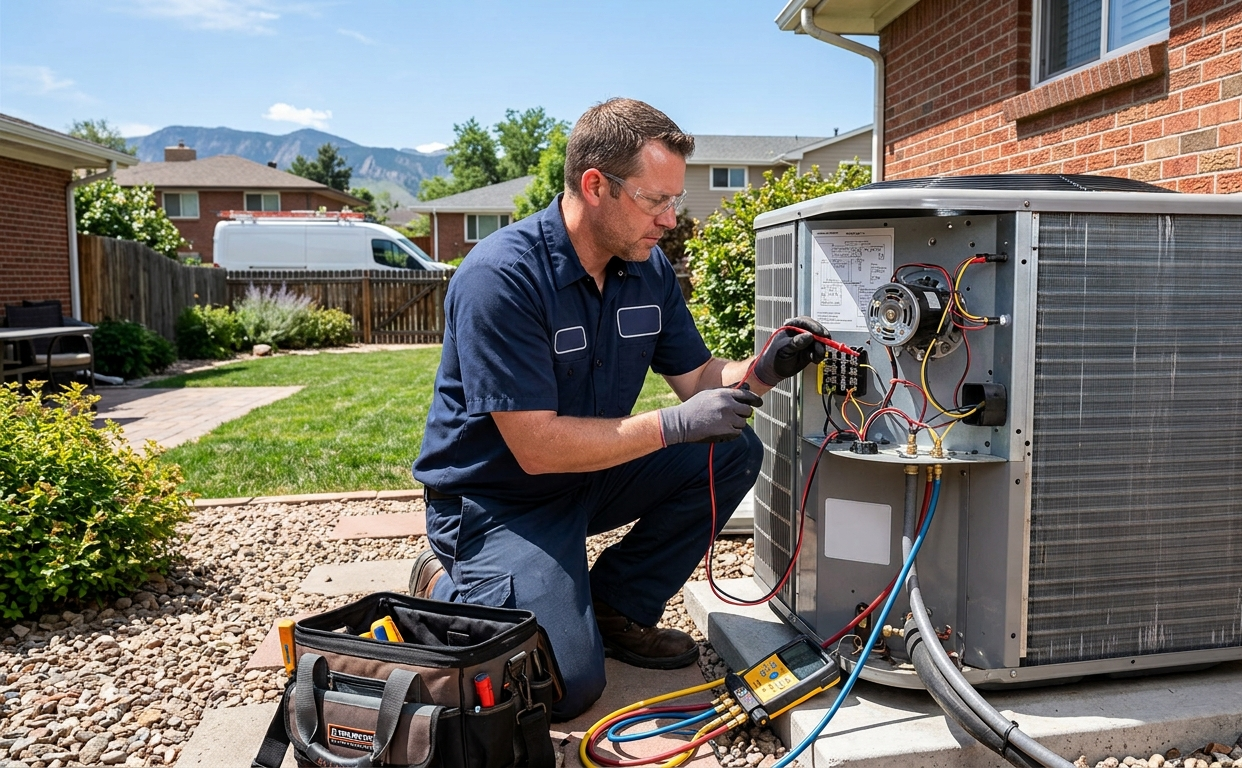
Licensed technicians perform deeper, system-wide checks, including:
- Verifying refrigerant levels and pressures
- Measuring airflow and temperature differences
- Cleaning coils more thoroughly
- Lubricating moving parts when applicable
- Tightening electrical connections
- Inspecting motors and fans
They also test the system’s cycling to ensure it switches smoothly between heating and cooling modes, critical in Denver, where temperature swings are common. Because pricing can vary between providers, this is a perfect time to get a few quotes and compare options before scheduling service.
What Is the Standard Checklist for Pump Maintenance?
A comprehensive heat pump maintenance checklist ensures every part of the system is inspected and tuned for optimal performance. Here’s what a certified technician typically examines:
- Air filter inspection and replacement to improve airflow
- Indoor and outdoor coil cleaning to maintain efficient heat transfer
- Drain line cleaning to prevent water leakage and mold growth
- Refrigerant level measurement to ensure proper charge
- Thermostat testing and calibration for accurate temperature control
- Electrical inspection including voltage, amperage, and tightened connections
- Blower motor and fan inspection for smooth operation
- Fan blade evaluation to verify balance and rotation
- Lubrication of serviceable parts to reduce friction and wear
- Pressure checks to confirm safe, efficient operation
- Ductwork inspection to identify leaks or blockages
- Safety controls testing for system protection
- Compressor performance evaluation to detect early signs of failure
Following this checklist consistently helps reduce your risk of inconvenient breakdowns, high utility bills, and premature system replacement. When you need a reliable provider in the area, Denver Heat Pump Services offers detailed inspections that follow industry best practices and are a leading choice for Heat Pump Service Denver CO homeowners trust.
Do Heat Pumps Need Lubrication?
Whether a heat pump needs lubrication depends on the design of its motors and moving components. Many modern systems are equipped with sealed motors, meaning the bearings and internal parts are lubricated at the factory and don’t require additional oil. These motors are built to operate for years without further attention, keeping homeowner maintenance simple.
However, some older systems, or specific blower and fan motor designs, may include oil ports that require periodic lubrication. Failing to lubricate these parts when needed can cause friction, noise, overheating, and eventual motor failure.
Because it’s not always obvious whether your system requires lubrication, a technician from a local Heat Pump Service Denver CO provider can quickly identify the motor type during a maintenance visit. They’ll know whether lubrication is needed, what type of oil to use, and how much is appropriate. Applying too much or the wrong type of lubricant can cause more harm than good, so this isn’t an area to experiment with unless you have direct instructions from a professional.
How Do I Service a Heat Pump?
Servicing a heat pump correctly involves both routine homeowner care and professional-level diagnostics. Many people assume servicing is just about cleaning or replacing filters, but in reality, proper service includes deeper evaluation of system performance, airflow, refrigerant charge, electrical components, and mechanical efficiency.
DIY Servicing Homeowners Can Handle
You can:
- Regularly replace air filters
- Dust supply and return vents
- Ensure the outdoor unit remains free of leaves, grass, and snow
- Gently rinse the outdoor unit with a low-pressure hose to remove surface dirt (never high pressure)
- Check thermostat settings, replace batteries when needed, and verify the system switches smoothly between heating and cooling
These steps help keep your system in good shape between professional visits.
Professional Servicing You Should Not Skip
A trained technician will:
- Review refrigerant pressures and levels
- Test electrical components and safety controls
- Deep-clean coils and internal components
- Inspect ductwork for leaks
- Check airflow balance throughout the home
- Assess the compressor’s performance and overall system health
These are tasks homeowners cannot safely or accurately perform. Routine servicing improves efficiency, reduces the risk of surprise breakdowns, and provides peace of mind especially when working with experienced providers like
Denver Heat Pump Services, a trusted name in Heat Pump Service Denver CO.
What Should You Not Do With a Heat Pump?
While heat pumps are durable, improper maintenance or misuse can shorten their lifespan and create avoidable problems. Common mistakes include:
- Blocking the outdoor unit with patio furniture, plants, snow piles, or storage items. Restricted airflow forces the system to overwork, raising energy usage and reducing capacity.
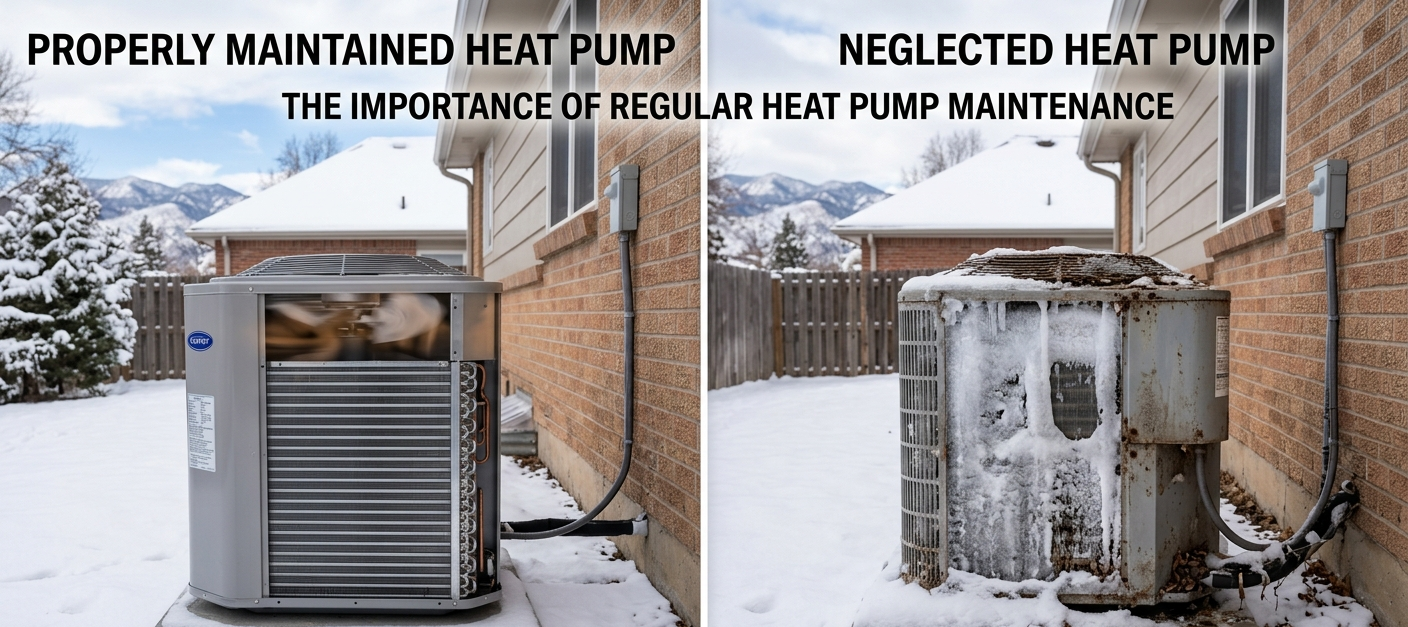
- Chipping away ice with sharp tools. This can puncture refrigerant coils or damage fins, leading to expensive repairs. If your unit regularly ices over, that’s a sign of deeper issues, low refrigerant, poor airflow, or a malfunctioning defrost cycle, that requires professional Heat Pump Service Denver CO troubleshooting.
- Closing too many indoor vents, which disrupts airflow balance and strains the system.
- Running the system with a dirty filter, which can cause overheating in summer or freezing in winter.
- Attempting refrigerant repairs yourself. Refrigerant handling requires EPA certification, specialized tools, and proper safety procedures.
You should also avoid using high-pressure water on the outdoor unit. The fins surrounding the coil are delicate, and bending them can dramatically reduce airflow and heat transfer. Always use gentle water, soft brushing, or leave coil cleaning to a professional during your routine maintenance visit.
Final Thought
Heat pumps are among the most efficient, environmentally friendly, and versatile systems for home comfort but they’re also some of the hardest-working. Because they run in both summer and winter, they need consistent care to stay reliable and efficient.
Routine maintenance isn’t about fixing what’s already broken; it’s about preventing problems before they start. A well-maintained heat pump can last years longer, operate at peak efficiency, keep your utility bills manageable, and reduce the likelihood of emergency repairs. Whether you’re new to owning a heat pump or you’ve had one for years, staying proactive with maintenance is one of the smartest home comfort decisions you can make.
Taking the time to care for your system today helps ensure your home stays comfortable tomorrow and every season after that. Partnering with a trusted Heat Pump Service Denver CO provider gives you a simple, reliable way to stay ahead of issues.
If it’s been more than a year since your last tune-up, or if your heat pump seems to be working harder than usual, consider scheduling a routine maintenance visit. A quick inspection can boost your system’s efficiency, extend its lifespan, and help you avoid stressful, mid-season breakdowns.
You can
learn more or schedule service with a trusted local provider at Denver Heat Pump Services, a go-to choice for Heat Pump Service Denver CO homeowners who want reliable comfort all year long.