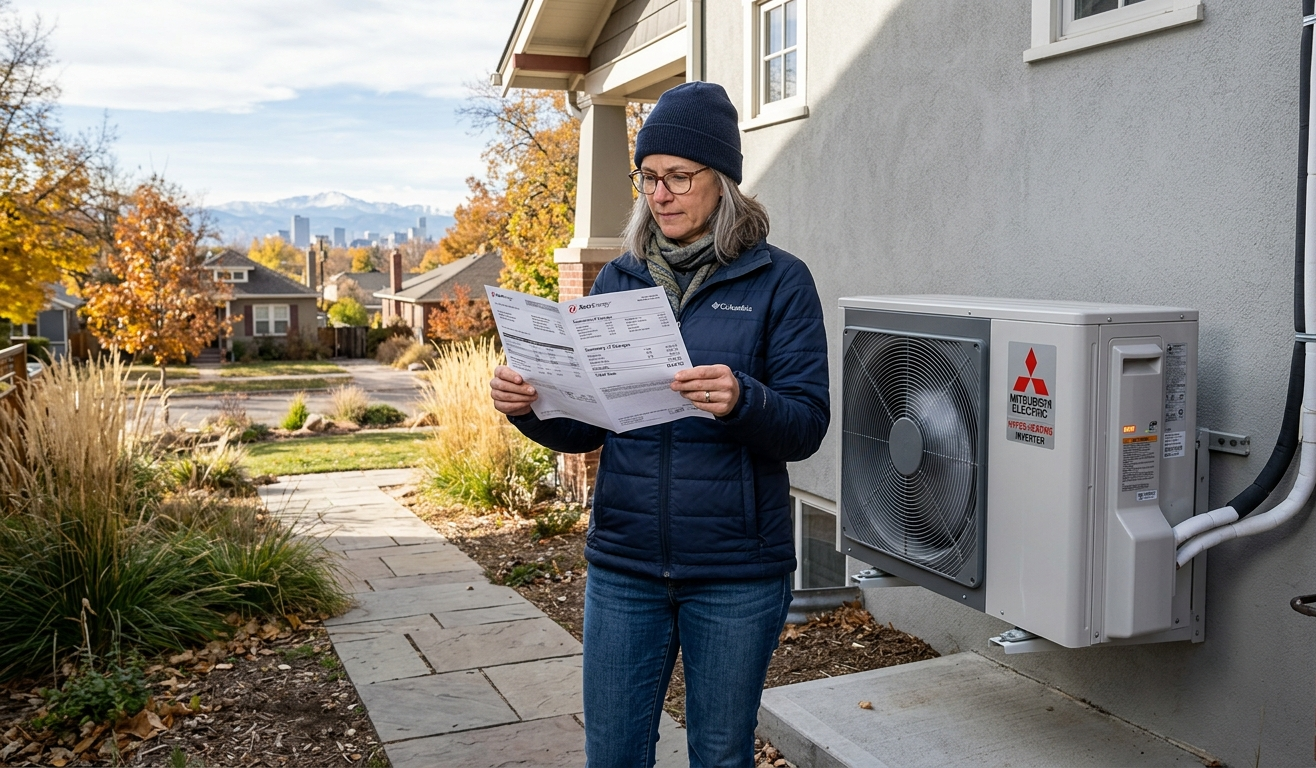
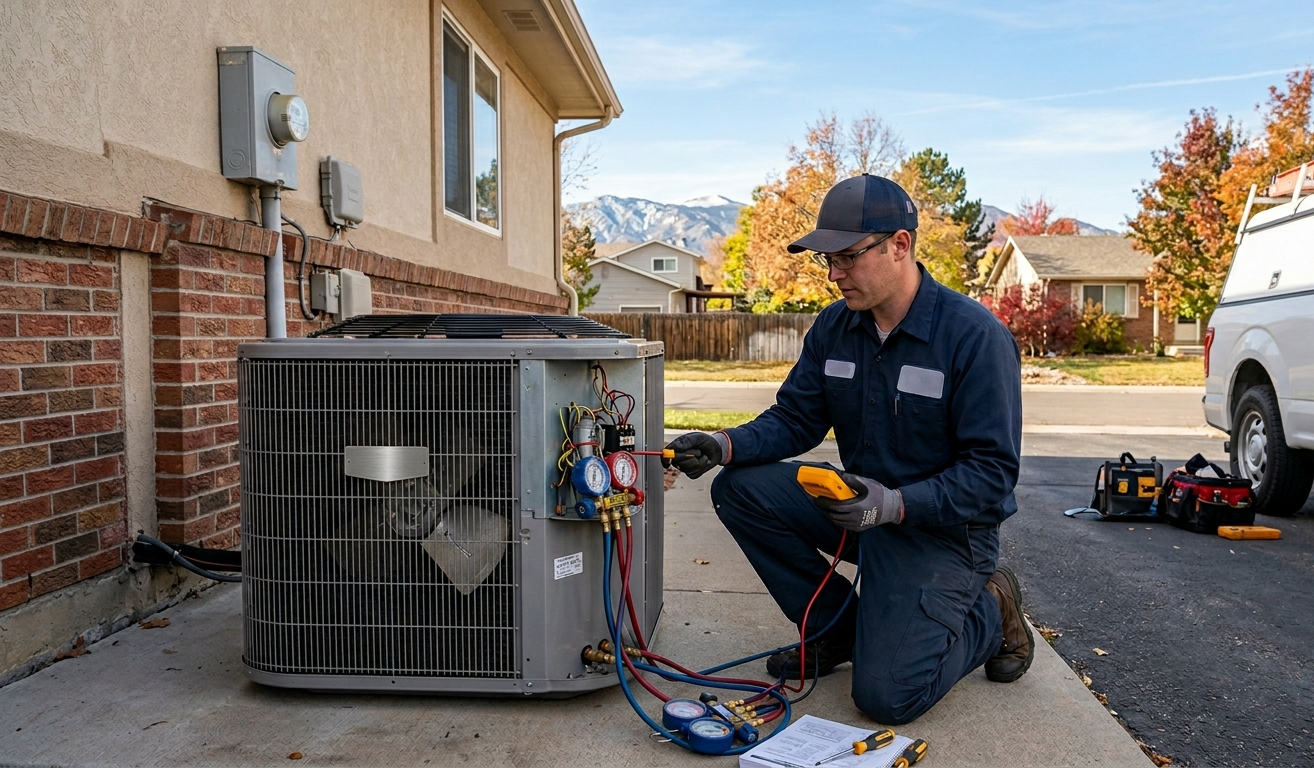
If you’ve lived in Denver long enough, you already know how unpredictable the weather can be. One day the air is clear and mild, perfect for opening the windows. Next, a sharp wind sweeps down from the Rockies and drops the temperature by twenty degrees. When that happens, your heat pump becomes more than a comfort, it becomes essential to your home’s safety and warmth.
Here’s the thing many homeowners don’t realize: heat pumps almost never fail without warning. Most breakdowns start with subtle signs that something inside the system is struggling. If you can spot those cues early, you can prevent expensive repairs, reduce long-term wear, and avoid getting stuck in a chilly home during Denver’s coldest nights. Knowing when to call a professional for
Heat Pump Repair Denver CO services can make all the difference.
Before diving into the most urgent signs to look out for, let’s answer the question homeowners ask most often.
What are the Urgent Signs your Heat Pump Needs Immediate Repair?
If your heat pump becomes unusually noisy, struggles to maintain temperature, blows lukewarm air, or causes a sudden spike in your energy bill, these are clear signs it needs immediate attention. Additional red flags include:
- Ice building up on the outdoor unit
- Short cycling
- Burning or unusual odors
- Uneven temperatures throughout the home
These symptoms often indicate deeper mechanical problems such as low refrigerant, electrical issues, airflow blockages, or a failing compressor. Ignoring them increases the risk of total system failure, especially in Denver’s colder months when the heat pump works hardest. If multiple symptoms appear at the same time, it's smart to schedule an inspection or Heat Pump Repair Denver CO service right away.
How Do You Know When Your Heat Pump is Going Bad?
You can tell your heat pump is going bad when it begins showing patterns of declining performance, unusual noises, inconsistent temperature control, or unexplained increases in energy usage. A healthy heat pump operates quietly and efficiently. So if your system suddenly becomes loud, runs continuously, or blows air that doesn’t match the thermostat setting, something is likely wrong.
For example, if the heat pump runs non-stop but still struggles to reach your desired temperature, it may indicate low refrigerant, a failing reversing valve, a weakened compressor, or airflow restrictions. Short cycling, turning on and off rapidly, is a major red flag that often points to electrical issues or overheating.
A sudden jump in your utility bill is another unmistakable warning sign. Heat pumps are designed for efficiency, so a dramatic increase in energy consumption usually means the system is compensating for an internal problem. Burning smells, error codes, or ice buildup are especially urgent. When these symptoms appear, it’s safest to call a trusted local professional such as Heat Pump Repair Denver CO technicians to diagnose the issue before it becomes dangerous or more expensive to fix.
Now that you know the foundational warning signs of a failing heat pump, let’s look closely at the specific issues Denver homeowners most often encounter before a system breaks down. Catching these early can save you money, protect your system, and keep your home warm during Colorado’s unpredictable winters. Here are the seven urgent signs your heat pump needs immediate repair.
1. Your Heat Pump Is Blowing Cold or Lukewarm Air
If your heat pump is running but only blowing cold or barely warm air, especially when temperatures are above 25–30°F, something is wrong. Common causes include:
- Low refrigerant
- Frozen or dirty coils
- A failing compressor
- A stuck reversing valve
- Blocked airflow
This is one of the easiest symptoms for homeowners to spot and should never be ignored. If this happens, consider contacting a trusted team specializing in Heat Pump Repair Denver CO diagnostics.
2. Unusual Sounds: Grinding, Squeaking, Buzzing, or Clicking
Heat pumps do make noise, but the noise should be familiar. Any
new or intensifying sound is cause for concern:
- Grinding: failing bearings
- Buzzing: electrical problems
- Squealing: belt or motor issues
- Rapid clicking: control board or relay malfunction
According to the
U.S. Department of Energy, unfamiliar noises often indicate electrical or mechanical problems needing immediate attention. When your system sounds off, it’s time to book Heat Pump Repair Denver CO service promptly.
3. Energy Bills Spike Without Explanation
Some increase in energy consumption during winter is normal, but a sudden, dramatic spike usually isn’t. Common causes include:
- Refrigerant leaks
- A failing compressor
- Frozen coils
- Auxiliary heat running too often
- Blocked airflow
If your energy bill rises unexpectedly, schedule an inspection before the issue becomes more costly.
4. The Heat Pump Runs Constantly or Short-Cycles
Two opposite, but equally alarming, behaviors:
Constant running may indicate:
- Low refrigerant
- Dirty coils
- Duct leakage
- Weak compressor
Short cycling may indicate:
- Overheating
- Faulty thermostat
- Electrical issues
- Blocked airflow
Both problems strain your system and shorten your heat pump’s lifespan. Professional Heat Pump Repair Denver COservice can identify the root cause quickly.
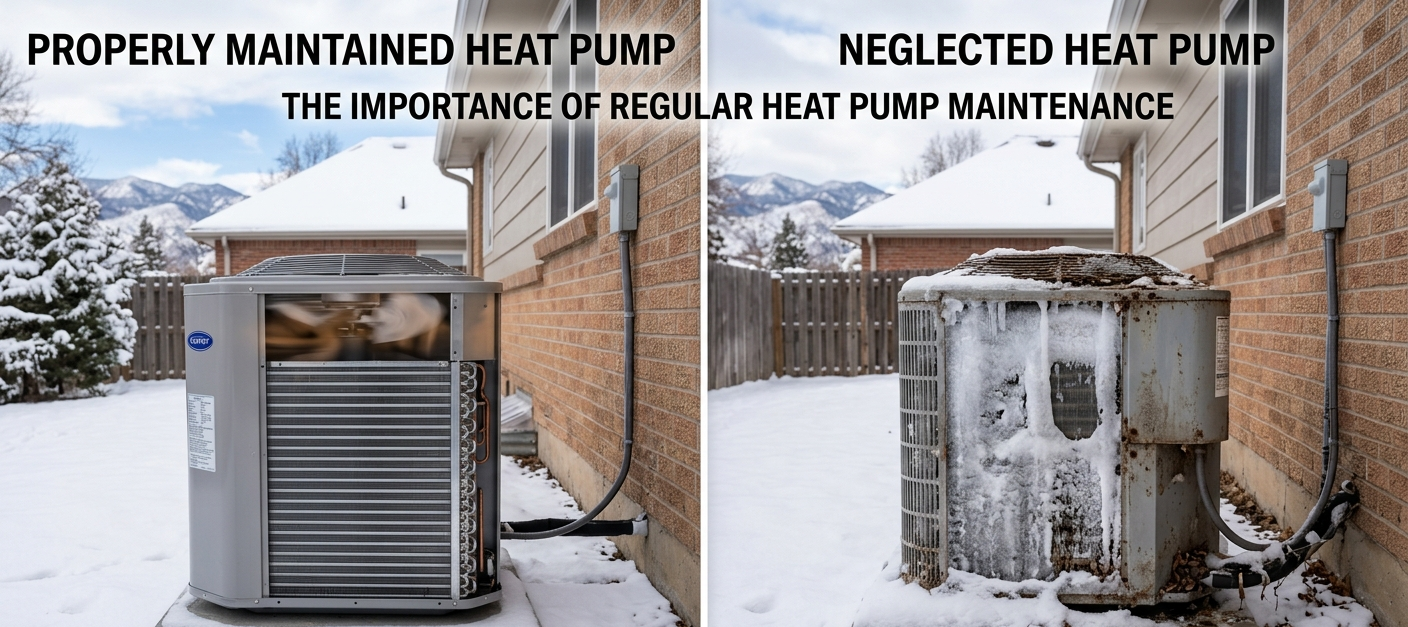
5. Ice Build-Up on the Outdoor Unit (Even in Mild Temperatures)
Some frost is totally normal. But heavy ice build-up especially when it’s not very cold outside is a serious warning sign.
Possible causes include:
- Failed defrost cycle
- Low refrigerant levels
- Sensor malfunctions
- Airflow restrictions
- Dirty coils
Denver’s dry climate means thick ice shouldn’t accumulate rapidly unless something is malfunctioning.
6. Strange or Burning Smells from Vents
Any unusual smell coming from your system is a red flag:
- Burning: electrical or wiring issue
- Musty: mold or drainage problem
- Chemical or sweet: potential refrigerant leak
- Metallic: overheating motor or compressor
If you smell anything strange, turn the system off and call a professional immediately. For safety, schedule Heat Pump Repair Denver CO service before running the unit again.
7. Thermostat Issues or Uneven Temperatures
If your thermostat seems unresponsive or different rooms heat unevenly, the problem may be related to:
- A failing compressor
- Duct leaks
- Reversing valve issues
- Sensor malfunctions
- Airflow restrictions
Uneven heating is often one of the earliest signs your heat pump is struggling.
What are Some Symptoms That the Compressor is Struggling With?
Your compressor is the heart of your heat pump system. When it begins to fail, the entire system feels the effects. Warning signs include:
- Loud humming or buzzing
- Cold air blowing in heating mode
- Breaker tripping frequently
- Continuous running without achieving set temperature
- Ice on the coils
- Delayed startup or hard starts
If you spot multiple symptoms together, the compressor may be close to failing entirely making early Heat Pump Repair Denver CO service critical.
Why the compressor struggles:
Your compressor circulates refrigerant and drives the heat transfer process. When airflow is restricted, coils are dirty, refrigerant runs low, or electrical components weaken, the compressor must work harder than intended. With Denver’s extreme temperature swings, the added strain can accelerate failure.
At What Temperature Do Heat Pumps Stop Working in Winter?
Most modern heat pumps operate efficiently down to 25°F–30°F. Below that, many systems require auxiliary heat to maintain indoor temperatures. Cold-climate models can function at lower temperatures, but standard units naturally lose efficiency in extreme cold.
In Denver, subzero dips are common. If your heat pump struggles
above freezing, that’s a sign of a deeper issue, often low refrigerant, airflow restrictions, or a declining compressor. In these cases, scheduling Heat Pump Repair Denver CO service is recommended.
What is the 20-degree Rule for Heat Pumps?
The 20-degree rule says a heat pump can typically raise indoor temperature by about 20°F above outdoor temperature in heat-pump mode alone. For example:
- If it’s 20°F outside, your system may maintain ~40°F indoors without auxiliary heat.
If your heat pump cannot maintain temperatures on a mild day, that indicates a deeper issue likely refrigerant loss, airflow blockage, or component failure.
What is the Best Temperature for a Heat Pump Overnight?
Experts from
Denver Heat Pump Services recommend setting your system between 65°F–68°F overnight. Heat pumps function best with small, consistent adjustments. Large nighttime setbacks cause the system to work harder the next morning, increasing energy use and strain.
Is it Okay for a Heat Pump to Run All Night in Winter?
Yes. Heat pumps are built for long, steady operation especially in winter. Unlike gas furnaces, which heat quickly and shut off, heat pumps maintain comfort gradually.
However, if it runs constantly and you notice poor heating, strange noises, or unusually high energy bills, the system may be struggling. In that case, schedule a Heat Pump Repair Denver CO service to identify the issue.
Final Thoughts
Your heat pump is one of the hardest-working systems in your home, especially during Denver’s unpredictable winters. Paying attention to early warning signs protects your comfort, prevents expensive failures, and extends the life of your system. If something feels “off” a smell, a noise, uneven temperatures, or an unexpected rise in energy use it’s better to address it early.
A quick inspection from a trusted local provider can give you peace of mind and keep your home reliably warm all winter.
If you’ve noticed any of these symptoms, it may be time for a professional diagnostic before Denver’s next cold front hits. A
fast assessment from Denver Heat Pump Services can help you prevent costly repairs, extend the lifespan of your system, and keep your home warm all season long.