Choosing a new dryer is no longer as simple as picking a size and brand. Many Denver homeowners now compare traditional vented dryers with newer heat pump dryers that promise lower energy bills and greater efficiency. While both appliances dry clothes effectively, they operate very differently and come with their own advantages and drawbacks. Homeowners researching energy efficient appliances often end up searching for
heat pump repair Denver CO services as they try to better understand how heat pump technology works in daily life.
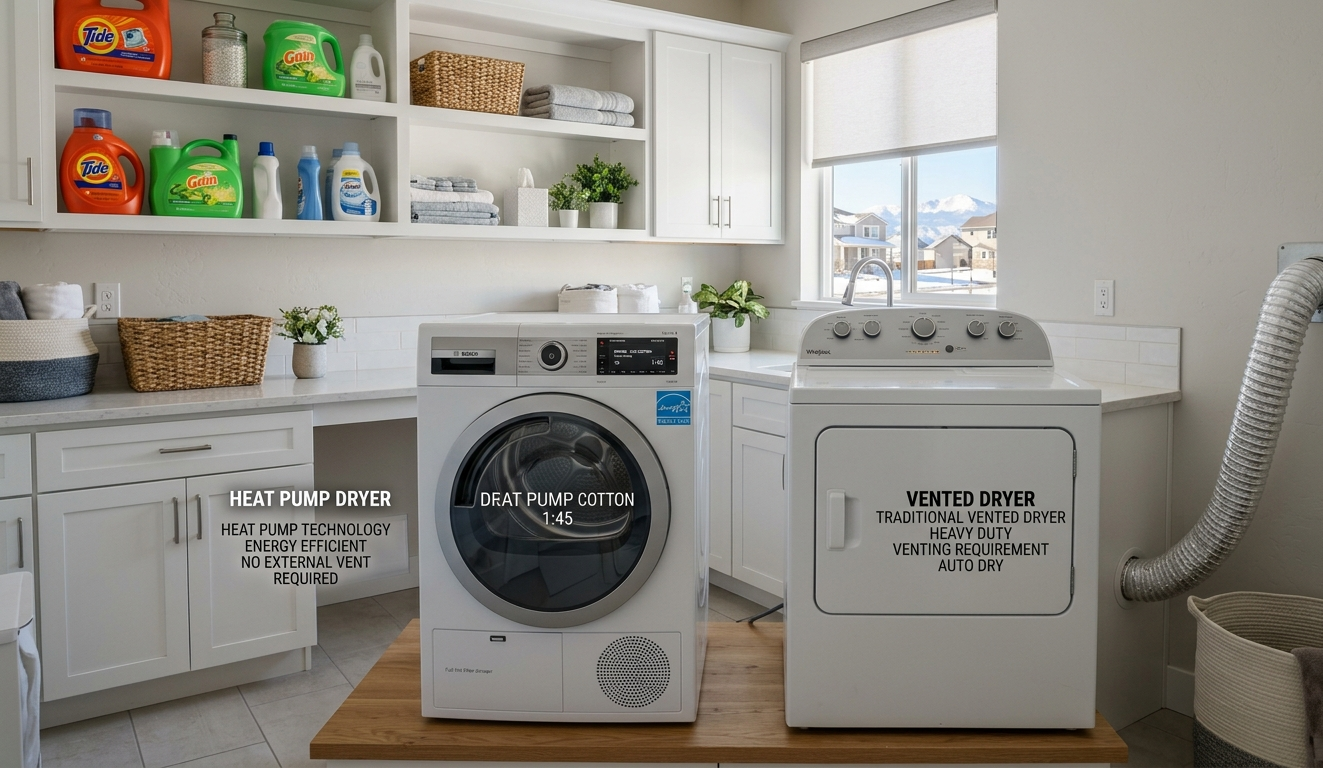
Heat pump dryers are becoming increasingly popular because they recycle warm air rather than vent it outside, significantly reducing electricity use over time. However, many homeowners still wonder whether the longer drying times and higher upfront costs are worth it. Understanding the differences between these systems can help homeowners make better long term decisions while avoiding frustration, maintenance issues, and unexpected performance concerns that may eventually require professional heat pump repair Denver CO support.
Which Is Better, Vented Or Heat Pump Dryer?
Whether a vented dryer or heat pump dryer is the better option depends entirely on a homeowner’s priorities. Heat pump dryers are designed for energy efficiency, while vented dryers prioritize speed and simplicity. Many homeowners researching heat pump repair Denver CO services are often surprised to learn that heat pump appliances work very differently than traditional vented systems they may have used for years.
Heat pump dryers recycle heated air through a closed-loop system rather than continuously producing new hot air and venting it outside. This process significantly reduces electricity consumption over time, making heat pump dryers attractive to homeowners focused on lowering monthly utility costs. In many cases, homeowners interested in energy efficient upgrades later seek heat pump repair Denver CO maintenance to keep these systems operating at peak performance.
Vented dryers, on the other hand, dry clothes faster because they use higher temperatures and expel moisture through an external vent. Many homeowners still prefer vented dryers because they are familiar, straightforward, and generally less expensive upfront. At
Denver Heat Pump Services, we often explain that the right choice depends on lifestyle, energy goals, installation flexibility, and willingness to perform regular maintenance. For homeowners already familiar with heat pump repair Denver CO systems, the efficiency advantages of heat pump dryers often become easier to appreciate over time.
What Are The Disadvantages Of A Heat Pump Dryer?
Although heat pump dryers offer excellent efficiency, they also come with trade offs homeowners should understand before making a purchase. One of the most common frustrations involves longer drying times compared to traditional vented dryers. Many homeowners who later seek heat pump repair Denver CO advice initially worry their dryer is malfunctioning simply because cycles take much longer than expected.
Heat pump dryers operate at lower temperatures to maximize energy efficiency. As a result, drying cycles can last significantly longer depending on load size, fabric type, and filter cleanliness. Homeowners accustomed to fast drying cycles may find this adjustment frustrating at first. In some cases, homeowners contact heat pump repair professionals in Denver, CO, because they assume that slower drying automatically means the appliance is defective.
Another disadvantage involves maintenance sensitivity. Heat pump dryers rely heavily on proper airflow and clean filters to maintain performance. Clogged filters or neglected condenser cleaning can reduce efficiency quickly and cause operational problems. At Denver Heat Pump Services, we regularly remind homeowners that preventive maintenance plays a major role in avoiding unnecessary heat pump repair Denver CO service calls, extending appliance lifespan, and improving overall efficiency.
How Much Longer Does A Heat Pump Dryer Take Compared To A Vented Dryer?
In many situations, heat pump dryers can take anywhere from 30 percent to 100 percent longer to dry clothes than vented dryers. A traditional vented dryer cycle may take approximately 45 to 60 minutes, while a comparable heat pump dryer cycle may require 90 to 150 minutes depending on the laundry load. Homeowners often begin researching heat pump repair Denver CO support after noticing these longer drying times for the first time.
The slower drying process is not necessarily a sign of poor performance. Heat pump dryers intentionally use lower temperatures and recycled warm air to improve energy efficiency and reduce electricity consumption. This approach is one reason why many homeowners interested in sustainable appliances eventually become strong supporters of heat pump systems despite the longer cycle lengths. Understanding how these systems function can help reduce unnecessary heat pump repair Denver CO concerns caused by unrealistic expectations.
According to the
U.S. Department of Energy, heat pump dryers are among the most energy efficient drying technologies currently available. While cycle times may be longer, homeowners often recover those inconveniences through lower operating costs and gentler fabric care over time. At Denver Heat Pump Services, we encourage homeowners to weigh convenience against efficiency when deciding which appliance best fits their lifestyle.
How Much Does It Cost To Run A Heat Pump Tumble Dryer For 3 Hours?
Operating costs for heat pump dryers are generally much lower than those of traditional vented dryers because heat pump technology recycles warm air rather than continuously generating new heat. Depending on electricity rates and appliance efficiency, running a heat pump dryer for approximately 3 hours may cost between 30 cents and 80 cents. Many homeowners exploring energy efficient upgrades later seek heat pump repair Denver CO maintenance services to preserve these long term savings.
Traditional vented dryers typically consume much more electricity because they constantly generate fresh heated air during operation. Over time, households that run laundry frequently may notice significant utility savings after switching to a heat pump dryer. Homeowners who understand the maintenance needs of heat pump systems often experience fewer performance problems and require less emergency heat pump repair Denver CO support over the appliance’s lifespan.
While the initial purchase price for heat pump dryers is usually higher, the lower operating costs can help offset that investment gradually. Families focused on reducing monthly utility bills often find the efficiency benefits worthwhile despite the slower cycle times. At Denver Heat Pump Services, we help homeowners understand how maintenance, airflow, and filter cleaning all influence the long term operating efficiency of heat pump appliances and larger heat pump repair Denver CO systems.
What Are The Disadvantages Of A Vented Dryer?
Vented dryers remain popular because they dry clothes quickly and are relatively simple to install in homes with existing vent systems. However, they also come with several disadvantages that homeowners should consider carefully before making a decision. Many homeowners comparing systems eventually begin researching heat pump repair Denver CO alternatives because of rising energy costs associated with traditional vented appliances.
One of the biggest drawbacks of vented dryers is higher energy consumption. These systems continuously generate hot air and vent it outside, which wastes significant amounts of energy during operation. They also require external venting systems that must be cleaned regularly to avoid lint buildup and potential fire hazards. Homeowners interested in lowering utility bills often begin exploring heat pump repair Denver CO, solutions and energy efficient appliance upgrades after realizing how much electricity traditional dryers consume.
Vented dryers can also generate additional indoor heat, which may increase cooling demands during warmer months. Poorly maintained vents can reduce efficiency and create airflow restrictions that impact performance. At Denver Heat Pump Services, we regularly explain that homeowners should evaluate both short term convenience and long-term operating costs when comparing vented systems with modern heat pump technologies. Learn more about this in our article
Can Heat Pumps Be Installed in Old Houses?
What Is The Major Problem Of A Heat Pump?
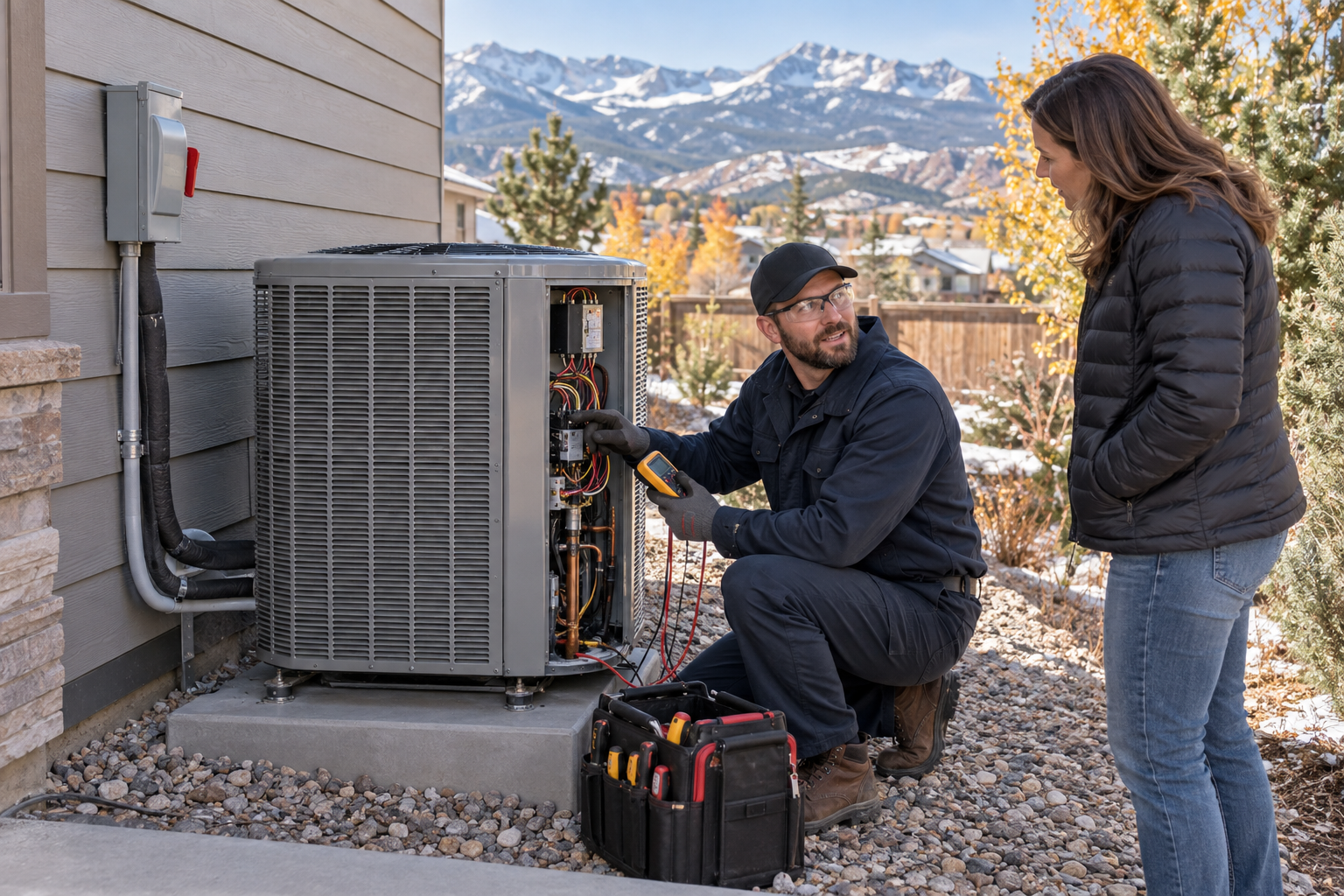
One of the biggest challenges with heat pump systems involves their dependence on proper airflow and routine maintenance. Whether discussing HVAC systems or heat pump dryers, neglected maintenance can quickly reduce efficiency and create operational problems. Homeowners frequently seek heat pump repair Denver CO assistance after airflow restrictions or clogged filters begin affecting system performance.
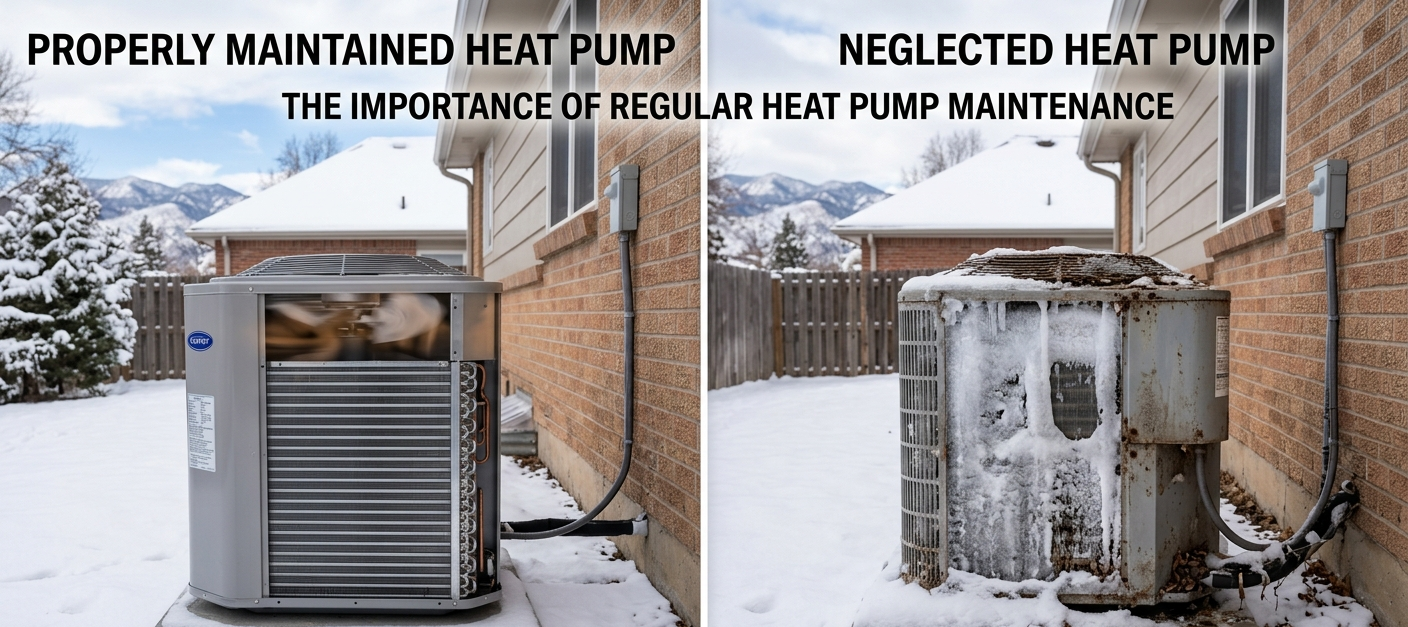
For heat pump dryers, in particular, dirty filters and neglected condenser cleaning often reduce drying efficiency and increase cycle times. HVAC heat pump systems may experience additional issues such as reduced efficiency during extreme cold, ice buildup, or airflow imbalances. Many of these situations can be prevented through consistent maintenance and early troubleshooting before larger heat pump repair Denver CO problems develop.
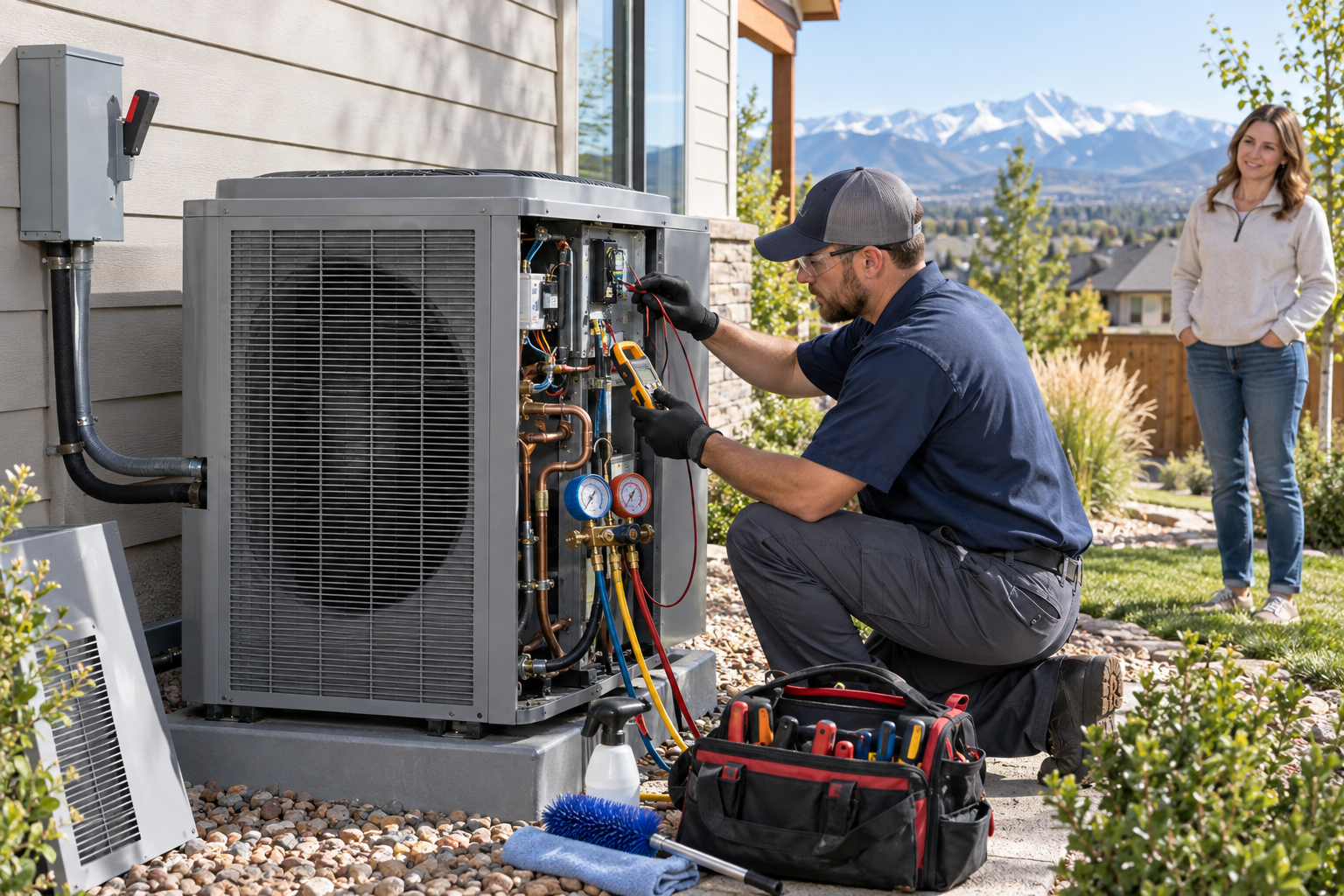
Despite these challenges, heat pump systems remain among the most energy efficient technologies available when maintained properly. Homeowners willing to perform regular maintenance often experience lower operating costs and improved long term reliability. At Denver Heat Pump Services, we help homeowners troubleshoot performance concerns while providing preventative heat pump repair Denver CO services designed to improve efficiency and extend equipment lifespan.
Why Denver Homeowners Are Paying More Attention To Heat Pump Technology
Denver homeowners are increasingly interested in heat pump systems as utility costs continue to rise and energy efficiency becomes a higher priority. Many families are now investing in heat pump dryers, HVAC systems, and other energy saving upgrades designed to reduce monthly expenses over time. As more homeowners adopt this technology, demand for professional heat pump repair in Denver, CO continues growing across the area.
We recently worked with a Denver homeowner who upgraded both their HVAC heat pump system and laundry appliances to more efficient models. Initially, they worried that something was wrong because the dryer cycles seemed much slower than those of their old vented dryer. After learning how heat pump technology prioritizes efficiency over speed, they became much more satisfied with the lower utility bills and gentler drying performance. Situations like this highlight why education and realistic expectations matter when homeowners begin exploring heat pump repair Denver CO technologies.
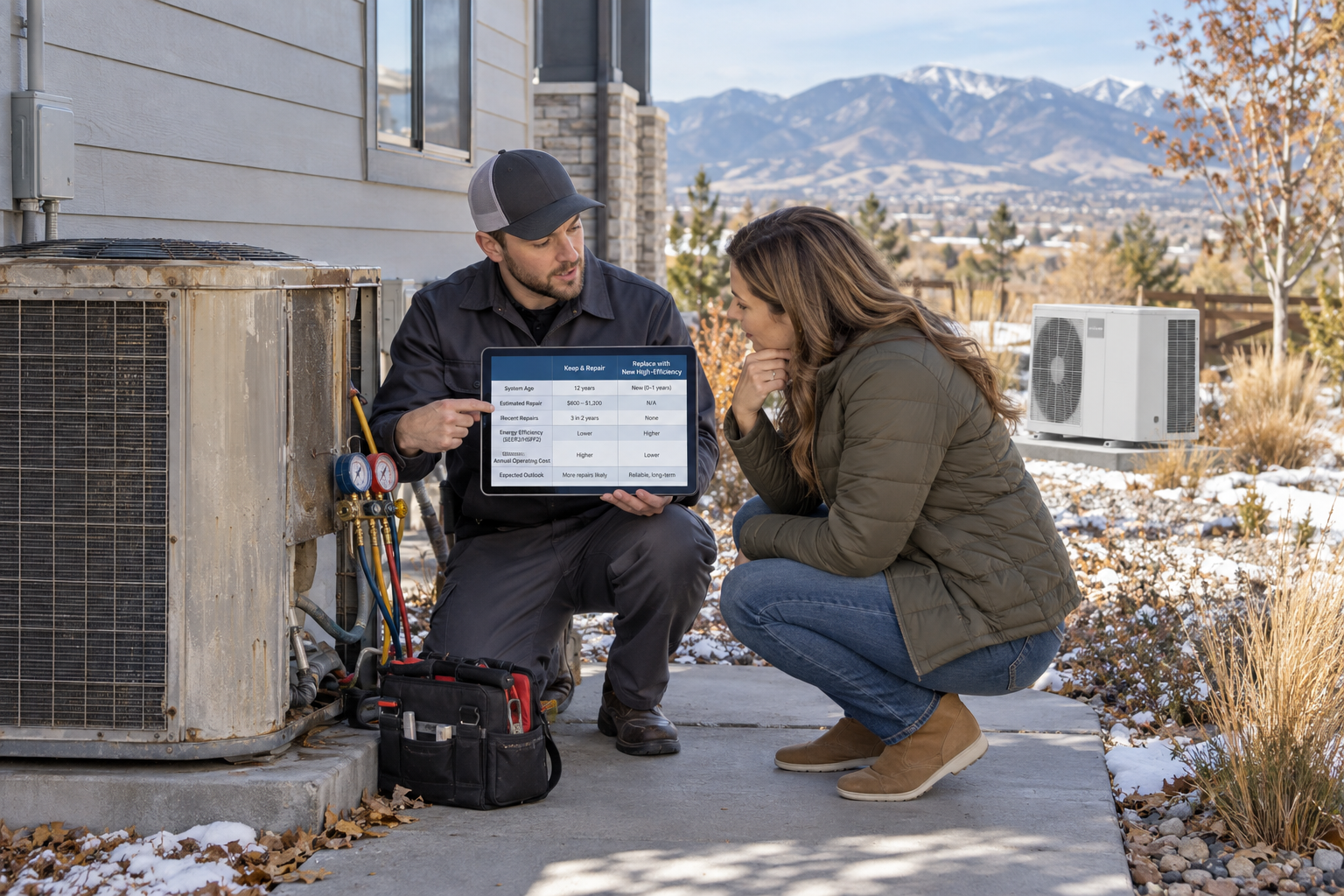
Colorado’s changing weather patterns and increasing focus on sustainability continue driving interest in energy efficient appliances throughout the Denver area. Homeowners who understand how heat pump systems operate often feel more confident making long term investments that improve comfort and reduce operating costs. At Denver Heat Pump Services, we believe homeowners deserve clear information that helps them choose systems aligned with their lifestyle, home layout, and long term efficiency goals.
Conclusion
Choosing between a heat pump dryer and a vented dryer ultimately depends on what matters most for your household. Homeowners who value fast drying times and lower upfront costs may still prefer traditional vented systems. However, homeowners focused on energy savings, lower operating costs, and environmental efficiency often find heat pump dryers to be a worthwhile long term investment.
Understanding how heat pump technology works can help homeowners avoid confusion, unrealistic expectations, and unnecessary performance concerns. Longer drying times do not necessarily indicate something is wrong, especially when the system is designed to prioritize efficiency over speed.
At Denver Heat Pump Services, we believe informed homeowners make better long term decisions about appliance and HVAC upgrades. If you have questions about heat pump systems, maintenance needs, or heat pump repair in Denver, CO,
reach out today.