What Is Included in Professional Heat Pump Service in Denver?
When you schedule Heat Pump Service, are you paying for a quick look at the equipment, or should the technician actually be checking how the entire system is performing? It is a fair question. If your heat pump seems to be heating and cooling normally, it can be difficult to understand what professional maintenance is supposed to accomplish. At Denver Heat Pump Services, we see service as an opportunity to evaluate the equipment before small concerns turn into bigger comfort problems. A heat pump works during both heating and cooling seasons, so airflow, coils, electrical components, controls, drainage, and overall performance all deserve attention. Denver weather makes that especially important because the same system may face cold winter mornings and demanding summer afternoons. When homeowners schedule Heat Pump Service Denver Co, they should understand what is being inspected, why those checks matter, and whether anything requires attention now or simply needs to be monitored.
What Is Included in Professional Heat Pump Service?
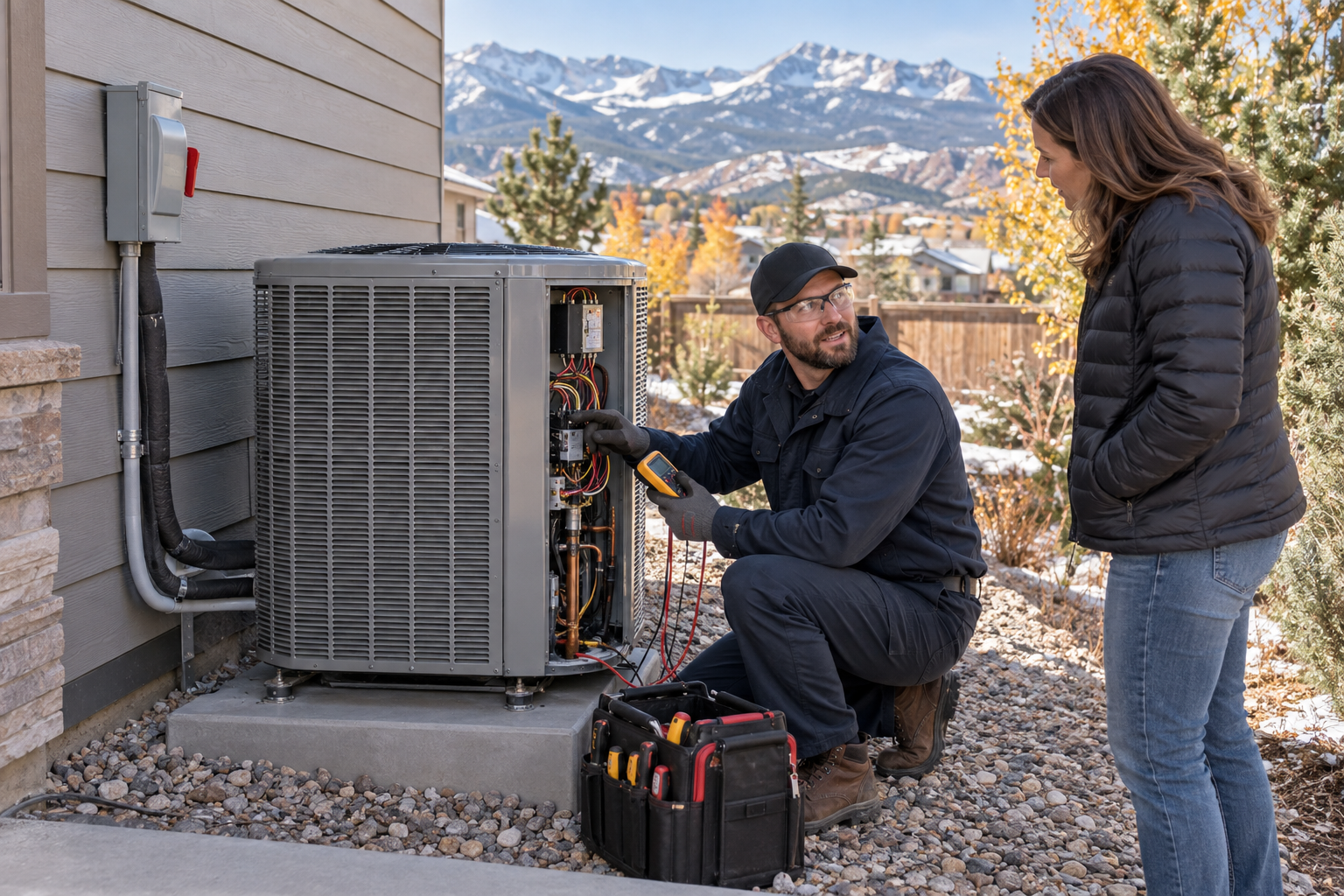
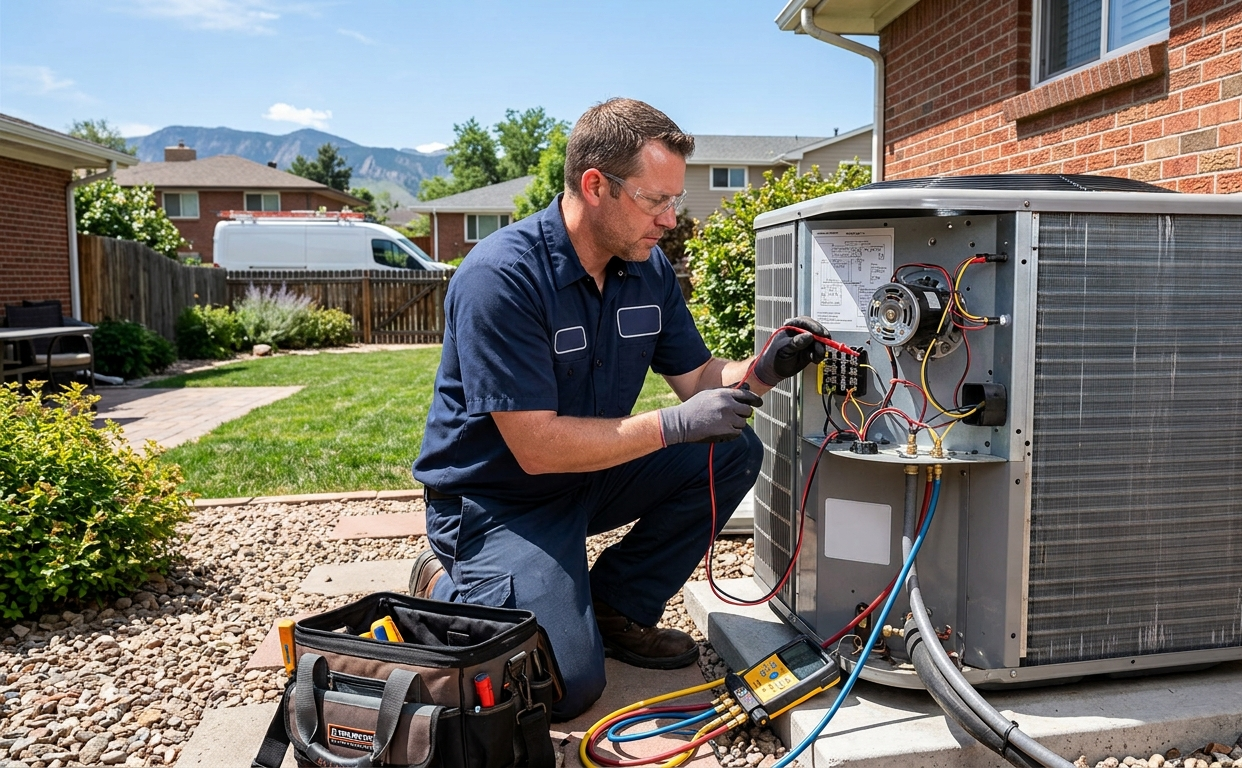
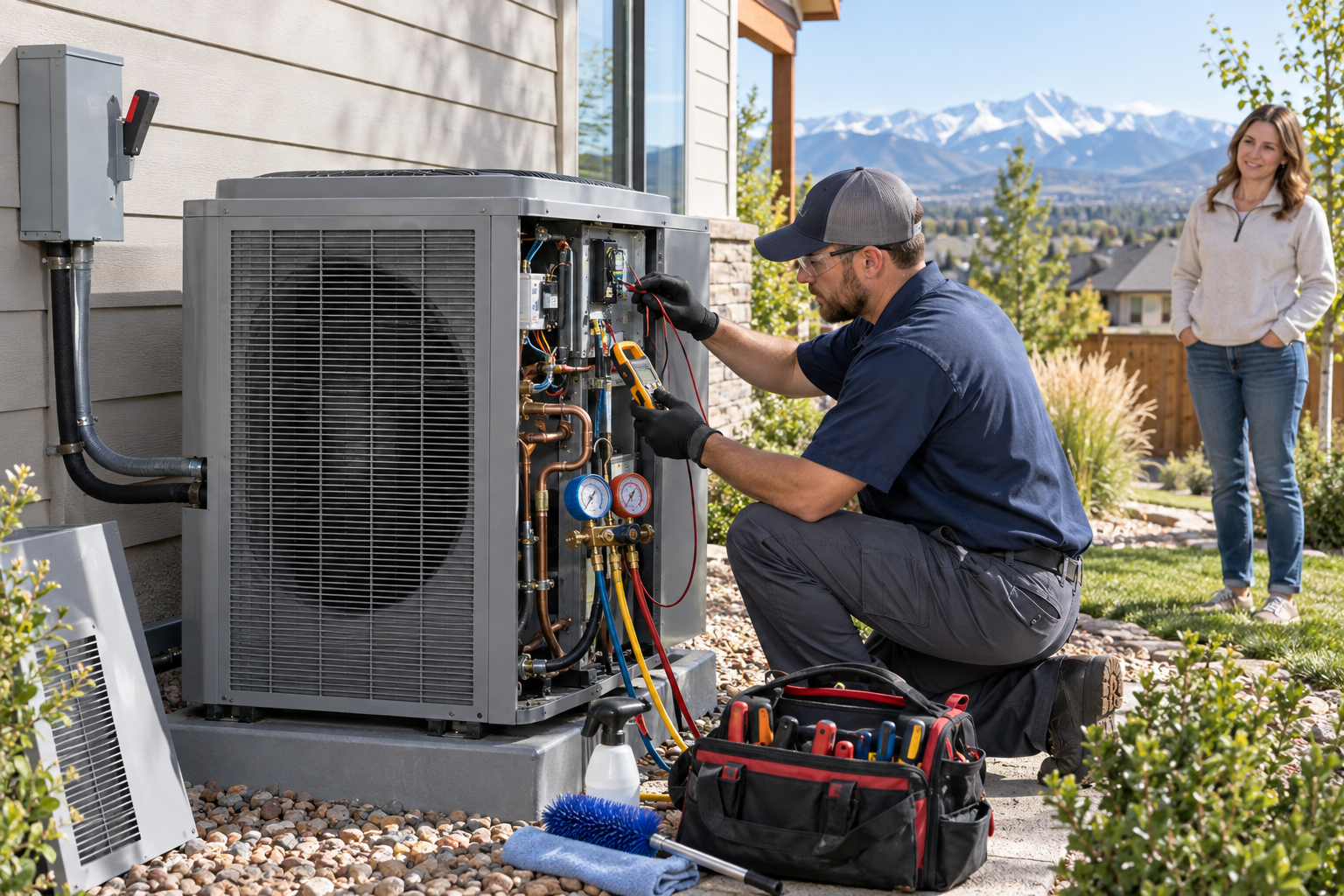
Professional heat pump service generally includes inspecting, testing, and maintaining the components that affect heating, cooling, airflow, and overall system operation. A technician may check the air filter, indoor and outdoor coils, blower components, electrical connections, thermostat, controls, condensate drainage, refrigerant system, and accessible ductwork while also testing how the heat pump operates. During heating season, service may include evaluating defrost operation and supplemental heat where the system uses it. The technician should also watch for unusual sounds, vibration, restricted airflow, excessive dirt, damaged wiring, drainage problems, or operating conditions that suggest a developing fault. The U.S. Department of Energy recommends professional heat pump maintenance that includes checking ducts, filters, blower components, airflow, refrigerant charge, electrical terminals, controls, and thermostat operation. The exact procedure can vary according to the equipment, manufacturer requirements, system design, and service package. A good appointment should ultimately tell you whether the heat pump is operating properly, whether maintenance is needed, and whether any problems deserve further diagnosis or repair.
What Does a Technician Check During a Heat Pump Tune-Up?
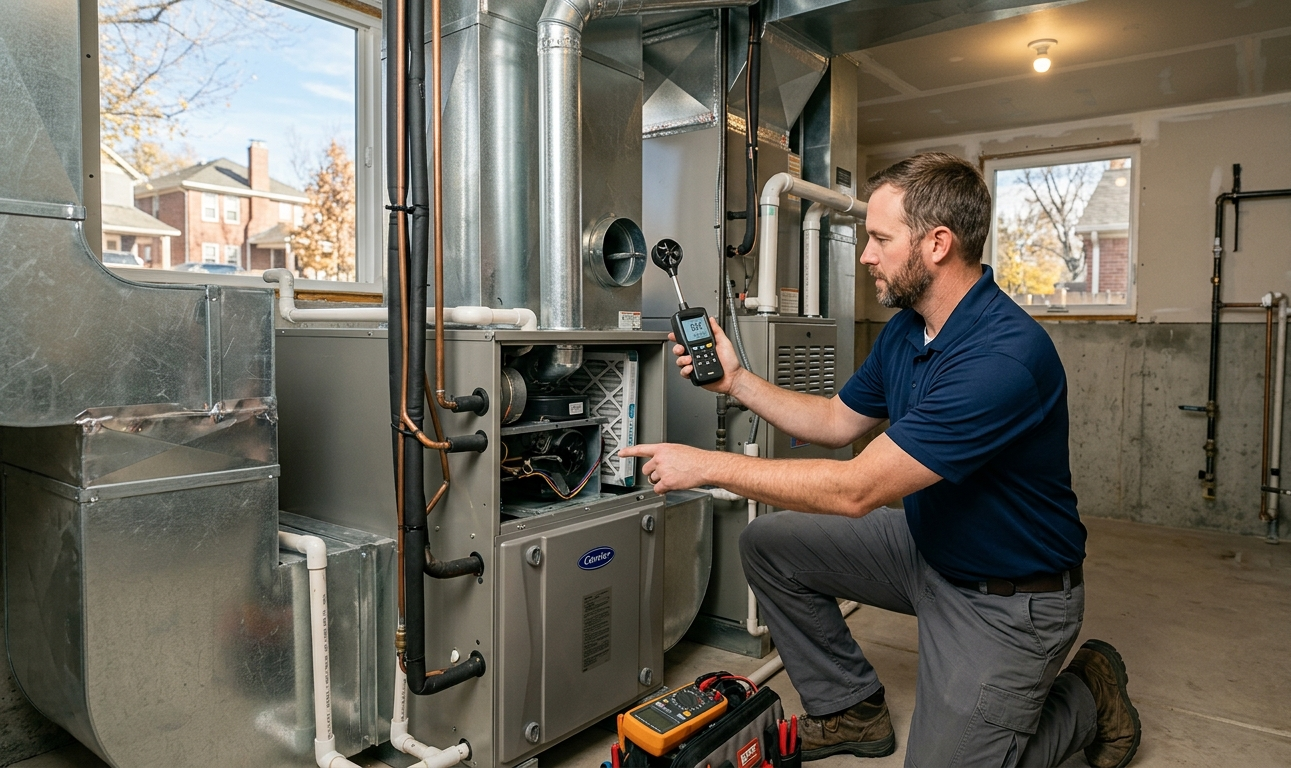
A professional heat pump tune-up is less about checking boxes and more about determining whether the equipment is operating the way it should. One of the first considerations is airflow. The heat pump needs to move an appropriate amount of air through the indoor system to heat and cool effectively. Filters, coils, blower components, duct restrictions, and blocked registers can all influence airflow. The technician may also inspect electrical connections and controls, check the condition of the indoor and outdoor equipment, and confirm that the thermostat communicates correctly with the system.
Operating performance matters too. A technician can observe how the heat pump starts, runs, and cycles. During appropriate conditions, heating and cooling performance can be evaluated to identify unusual behavior. If something does not look right, the next step may involve more detailed diagnosis rather than simply calling the maintenance appointment complete.
Is Heat Pump Service the Same as Heat Pump Maintenance?
The terms are often used interchangeably, but they can mean slightly different things. Heat pump maintenance generally refers to preventive work intended to keep the system clean, inspected, and operating correctly. A heat pump tune-up is usually another term for scheduled preventive maintenance.
"Service" is broader.
A homeowner might schedule service for routine maintenance, but they could also request service because the heat pump is making a strange noise, icing excessively, failing to heat, or showing another problem.
This is why we recommend asking what is included when making an appointment. A company advertising "service" may be referring to an inspection, a maintenance package, a diagnostic visit, or repair work. Understanding the scope beforehand helps avoid confusion when the technician arrives.
How Often Should a Heat Pump Be Serviced?
The best starting point is the maintenance schedule recommended by the equipment manufacturer.
Heat pumps deserve consistent attention because they can operate during both heating and cooling seasons. Unlike an air conditioner that primarily works during warmer months, a heat pump may accumulate substantial annual runtime.
The U.S. Department of Energy recommends professional service for heat pumps and regular attention to filters and other maintenance items. DOE also notes that filters should be cleaned or changed according to need and manufacturer recommendations.
Homeowners should not interpret a maintenance schedule as a reason to ignore symptoms between visits.
If the heat pump suddenly stops heating correctly, develops persistent ice, produces unusual noises, or begins cycling abnormally, it makes sense to have the problem evaluated rather than waiting for the next scheduled tune-up.
Why Is Heat Pump Maintenance Important in Denver?
Denver homeowners ask their HVAC equipment to handle very different conditions throughout the year.
The heat pump may provide cooling during warm summer weather and then reverse operation to heat the house during winter. That means maintenance is not only preparation for one season.
Outdoor equipment is also exposed to leaves, dirt, snow, ice, vegetation, and other conditions that can interfere with airflow or equipment condition. During winter, proper defrost operation becomes particularly important. In summer, coil cleanliness and airflow remain important for cooling performance.
When homeowners call us for Heat Pump Service Denver Co, we look at the heat pump as year-round equipment.
A system that cooled properly in July still needs to perform correctly when temperatures fall. Likewise, a system that heated the home all winter needs to be ready for summer cooling. Regular maintenance gives us an opportunity to evaluate those different operating demands.
Does Heat Pump Service Include Cleaning the Coils?
Coil inspection should be part of heat pump maintenance, and cleaning may be appropriate when dirt or debris has accumulated. Heat pumps have heat-exchange coils that need appropriate airflow and surface condition to transfer heat effectively. The outdoor coil can collect dirt, leaves, grass clippings, and other debris. Indoor coils can also become dirty over time, particularly when filtration or airflow problems exist.
The Department of Energy specifically includes dirty coils among the maintenance issues that can reduce heat pump performance.
However, coil cleaning is not always as simple as spraying the outdoor unit with maximum water pressure.
Coil fins can be delicate, and electrical components are located within the equipment. Homeowners can keep loose vegetation and debris away from the unit, but deeper cleaning should be performed using methods appropriate for the specific equipment.
Does a Heat Pump Tune-Up Include Refrigerant Checks?
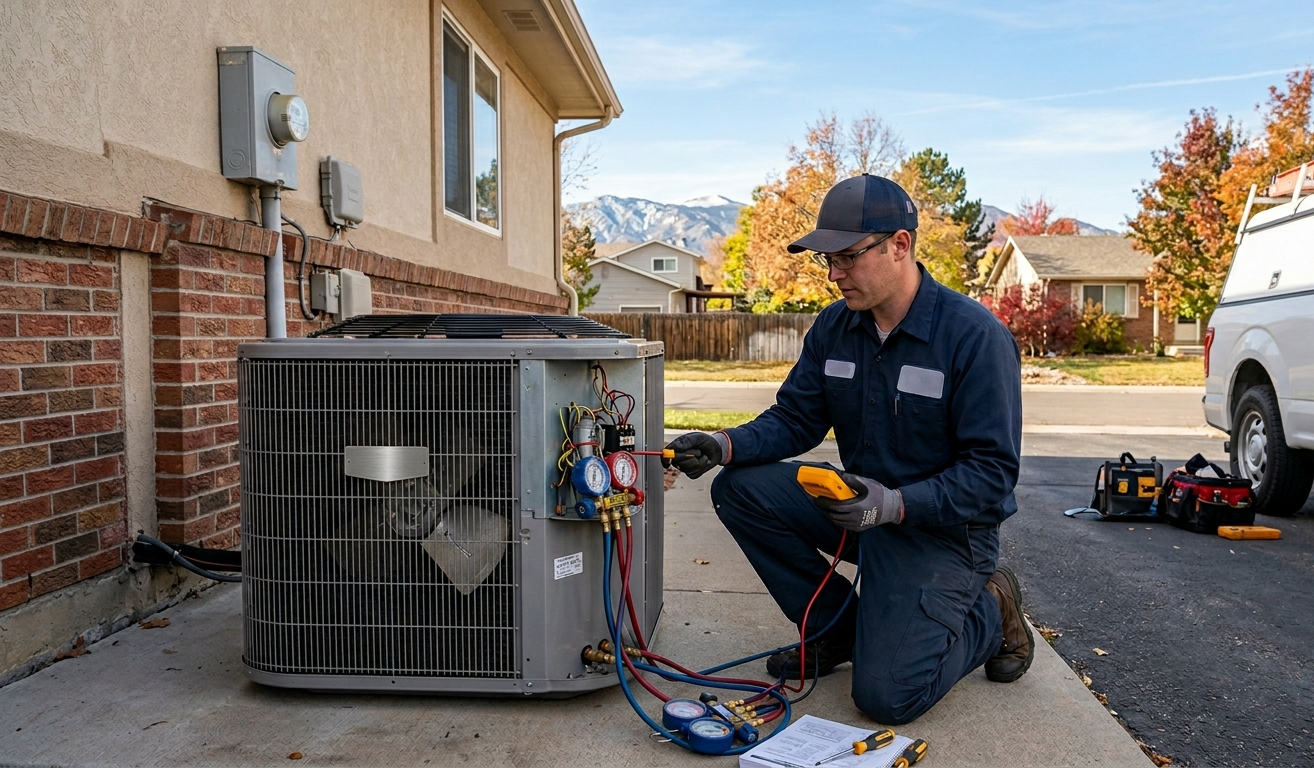
A technician may evaluate refrigerant-system operation during professional service, particularly when system performance suggests a problem. Refrigerant operates in a closed system. It is not something that should simply disappear through normal use and needs routine topping off like fuel. If refrigerant charge is incorrect, there may be an installation issue, leak, previous service problem, or another condition that needs investigation.
The Department of Energy includes verification of correct refrigerant charge among professional heat pump service tasks. Refrigerant work also requires specialized knowledge. The U.S. Environmental Protection Agency's Section 608 requirements apply to technicians who maintain, service, repair, or dispose of equipment containing regulated refrigerants. If your system appears low on refrigerant, the important question is not simply how much refrigerant can be added. The cause should be evaluated.
Does Heat Pump Service Include Checking Airflow?
Yes, airflow is an important part of heat pump performance. The indoor equipment must move air through the system and distribute conditioned air throughout the house. Restricted airflow can come from several places. A dirty filter is an obvious example, but blower problems, dirty coils, blocked return grilles, closed registers, or duct restrictions can also affect airflow.
DOE specifically recommends that professional maintenance include verifying adequate airflow.
During a heat pump inspection, we also consider what the homeowner is experiencing.
Weak airflow in every room suggests a different problem from one bedroom that is consistently uncomfortable. The heat pump itself may be operating correctly while the air distribution system has an issue. This is why good maintenance looks at system performance rather than focusing only on the outdoor unit.
Are Electrical Components Checked During Heat Pump Maintenance?
Electrical inspection is another important part of professional maintenance. A heat pump relies on wiring, connections, controls, motors, and other electrical components to operate. DOE recommends inspecting electric terminals and, when necessary, cleaning and tightening connections. A technician may also look for visible signs of overheating, deterioration, or damaged wiring and perform appropriate electrical testing based on the system and service procedure.
This is an area where homeowners should avoid do-it-yourself experimentation. Heat pump equipment contains potentially dangerous electrical components even when the system appears to be turned off at the thermostat. If you notice repeated breaker trips, burning smells, damaged wiring, or other electrical symptoms, stop treating the issue as routine maintenance and arrange for appropriate professional evaluation.
Does a Technician Check the Thermostat?
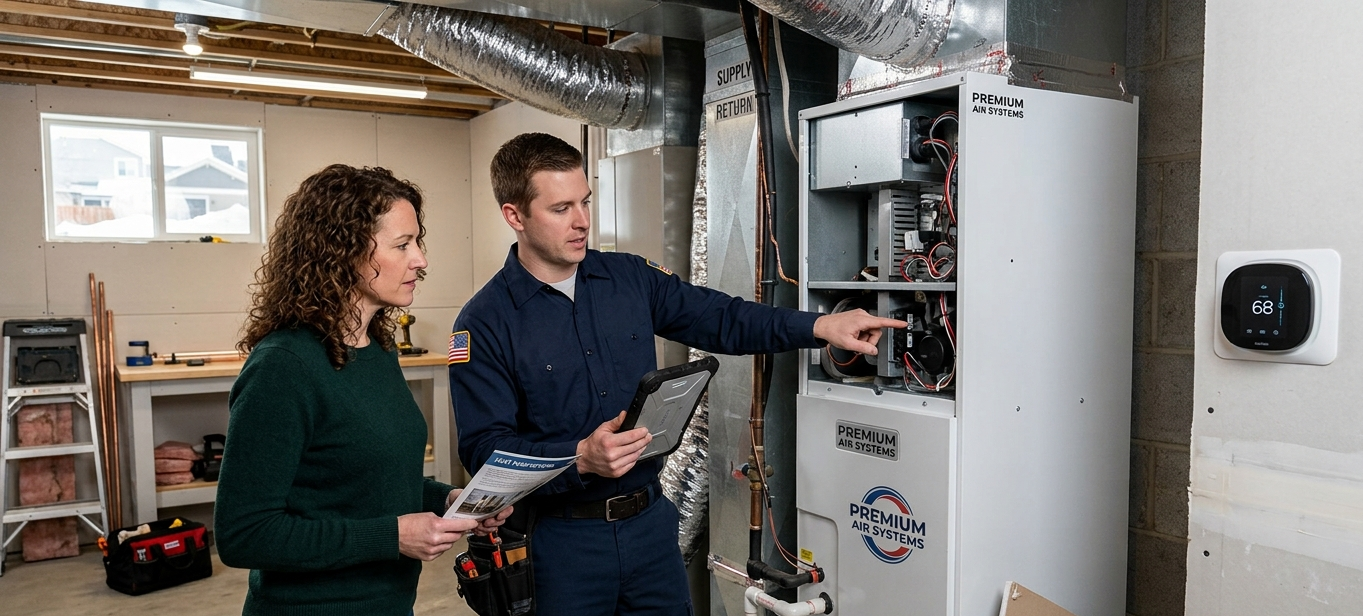
Thermostat operation should be considered during professional heat pump service. A thermostat tells the system when heating or cooling is required. Depending on the equipment, it may also control auxiliary heat, staging, fan operation, schedules, and other functions. A thermostat problem can sometimes look like an equipment problem.
For example, incorrect configuration may prevent a heat pump from operating as expected.
Variable-speed and communicating systems can introduce additional control requirements because some equipment is designed to work with specific thermostats or proprietary controls.
During service, the technician can check whether the thermostat responds properly and whether its settings are appropriate for the system. DOE specifically includes thermostat inspection among professional heat pump maintenance tasks.
Is the Defrost Cycle Checked During Heat Pump Service?
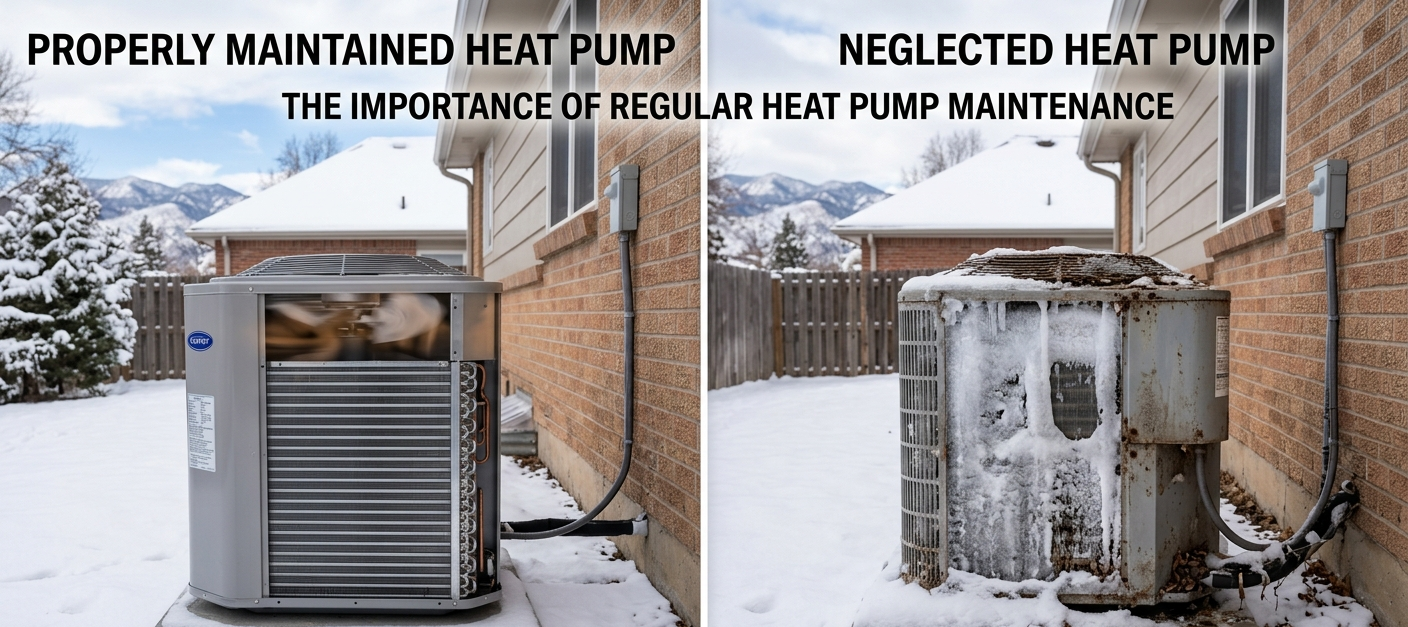
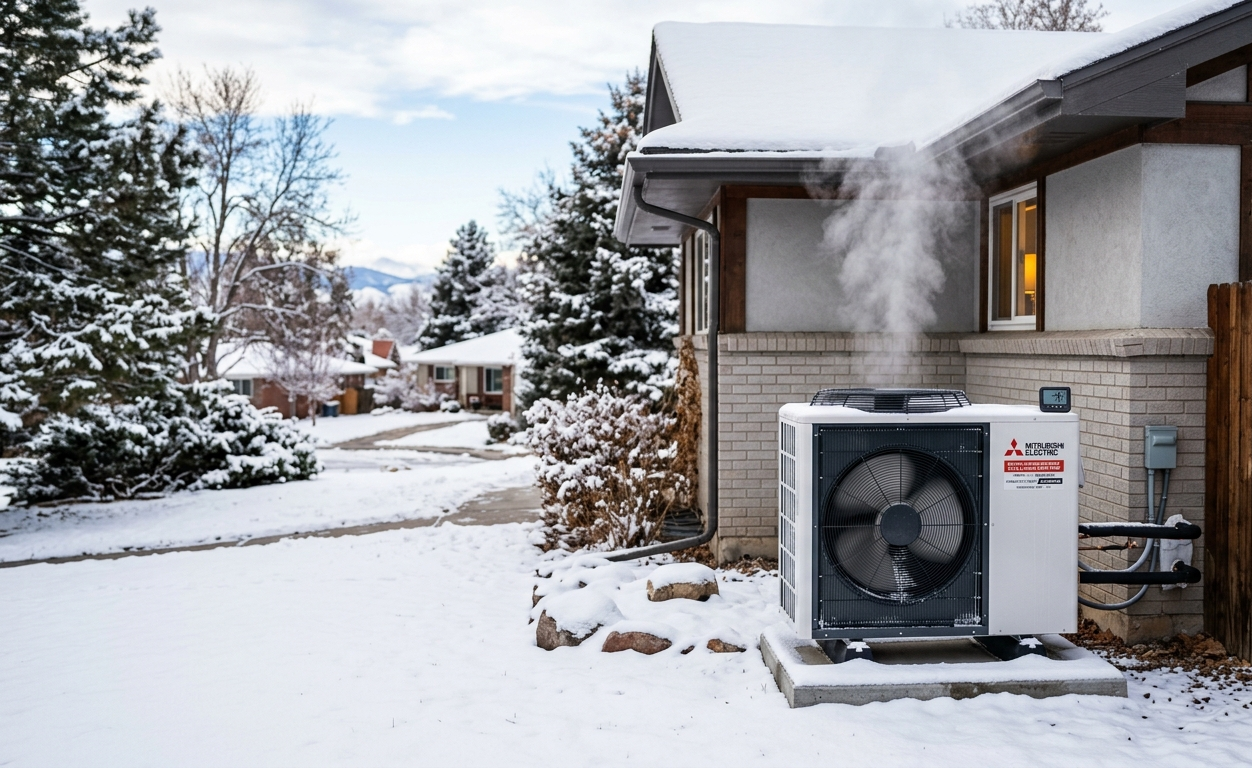
Defrost operation deserves attention in a climate like Denver's. During winter heating, the outdoor coil can become cold enough for moisture in the air to freeze on it. Some frost is normal. A heat pump uses a defrost cycle to periodically warm the outdoor coil and remove that frost. Problems occur when ice accumulates heavily and does not clear.
A malfunctioning sensor, control problem, airflow issue, refrigerant-system fault, or another condition could interfere with proper operation. Homeowners should not assume every frosty outdoor unit is broken. They also should not chip persistent ice away with sharp tools, which can damage the coil.
If the unit remains heavily iced or heating performance declines, professional diagnosis is appropriate.
Does Heat Pump Service Include Checking the Backup Heat?
If the heat pump has supplemental or backup heating, its operation may also need to be evaluated. Not every Denver home uses the same configuration. Some systems use electric resistance auxiliary heat. Others may be part of a dual-fuel arrangement involving another heating source. Controls determine when and how supplemental heat operates.
A problem with those controls can affect comfort and energy use. For example, backup heat that operates unnecessarily may use more energy than intended. Backup heat that fails to operate when the system requires it can create comfort problems during demanding conditions. Professional service should consider the actual equipment installed in the home rather than assuming every heat pump uses the same heating strategy.
Will a Technician Inspect the Condensate Drain?
Heat pumps create condensate during cooling operation, so drainage deserves attention. Moisture collected at the indoor coil needs a safe route away from the equipment. A blocked drain line or damaged drain pan can lead to water around the indoor unit and, in some cases, damage to surrounding materials.
The Department of Energy includes condensate drainage among the items that should be checked during heat pump maintenance.
The exact inspection depends on the equipment configuration.
Homeowners should also pay attention between maintenance appointments.
If you notice unexpected water around the indoor equipment, do not assume it is harmless condensation. The source should be identified.
Are Air Filters Replaced During Heat Pump Service?
That depends on the service package. Some companies include a standard replacement filter, while others inspect the existing filter and leave replacement to the homeowner. Regardless, filter condition should receive attention. A dirty filter can restrict airflow and contribute to poor system performance.
The correct filter also matters.
Installing a highly restrictive filter without considering the HVAC system's airflow capabilities can create its own problems. DOE recommends cleaning or changing filters as needed and according to manufacturer recommendations. When booking maintenance, ask whether a filter is included. If you use an unusual filter size or specialty product, let the service provider know beforehand.
Does Professional Service Include Ductwork?
Professional heat pump maintenance may include checking accessible ductwork, but homeowners should distinguish between a basic inspection and comprehensive duct testing. DOE recommends inspecting ducts for leakage as part of professional heat pump maintenance. A technician may identify visible disconnected, damaged, or poorly sealed ducts during routine service.
However, full duct leakage testing, duct sealing, redesign, or cleaning may be separate services.
Duct problems can have a major effect on comfort. If conditioned air escapes before reaching the rooms, the heat pump may appear to be underperforming even when the equipment itself is operating normally.
Uneven room temperatures, weak airflow, and unusually high energy use can justify a closer look at the distribution system.
Can Heat Pump Service Lower Energy Bills?
Maintenance can help a heat pump operate closer to its intended performance, particularly when the system has dirty filters, neglected coils, airflow problems, or other maintenance-related issues. DOE states that the difference between the energy consumption of a well-maintained heat pump and a severely neglected one can range from 10 to 25 percent.
That does not mean every homeowner will save that amount after a tune-up. A system that is already clean and operating correctly may not experience a dramatic change. Utility bills are also affected by Denver weather, electricity rates, thermostat settings, insulation, air leakage, household behavior, and equipment efficiency. The useful takeaway is simpler: maintenance helps prevent avoidable operating problems from making the heat pump work under poor conditions.
Can Regular Heat Pump Service Prevent Breakdowns?
Maintenance can identify some developing problems, but it cannot guarantee that a heat pump will never break down. Mechanical and electrical components eventually wear. A maintenance inspection may reveal a loose electrical connection, blocked drain, dirty coil, airflow problem, or unusual operating condition before it creates a more serious issue. Other failures can happen with little warning. We prefer to describe maintenance as risk reduction rather than failure prevention. A well-maintained heat pump still contains moving, electrical, and refrigeration components that can eventually fail. The value of routine service is that it gives us an opportunity to inspect the system, establish how it is operating, and address maintenance concerns before they are ignored for another season.
What Are Signs Your Heat Pump Needs Service Before Its Next Tune-Up?
Do not wait for scheduled maintenance when your heat pump is clearly behaving differently.
Poor heating or cooling is an obvious reason to request service. Other warning signs include weak airflow, new noises, persistent outdoor-unit icing, repeated cycling, unexplained shutdowns, water around indoor equipment, or unusual odors. A sudden change in electricity consumption may also deserve investigation, although energy use should always be considered alongside weather and utility rates. Some symptoms require more immediate attention. Repeated breaker trips, burning smells, damaged electrical components, or a system that appears unsafe should not be treated as routine tune-up items.
If something has changed significantly, professional diagnosis can determine whether the cause is maintenance-related or requires repair.
What Should You Ask After a Heat Pump Service?
A good service appointment should leave you with more information than you had before it started. Ask what the technician found. Was airflow normal? Were the coils reasonably clean? Did the technician notice unusual wear? Were there signs of refrigerant-system problems? Did the equipment respond correctly to controls? If a repair is recommended, ask why.
You should understand whether the problem needs immediate attention or can reasonably be monitored.
Also ask about maintenance you can handle yourself. Knowing when to check the filter, how to keep the outdoor unit clear, and which symptoms deserve a service call can make ownership easier. Clear communication is part of professional service.
How Long Does Professional Heat Pump Service Take?
There is no universal time that applies to every maintenance appointment. The duration depends on the equipment, accessibility, system design, condition, testing procedures, and whether the technician discovers a problem. A clean, accessible system operating normally may require a different amount of time from equipment with poor airflow, heavy debris, abnormal operating conditions, or multiple concerns requiring diagnosis.
Service quality should not be judged only by speed. A very long appointment does not automatically mean better maintenance, and an extremely quick visit may not provide enough time for meaningful inspection.
What matters is whether the appropriate system checks were completed and the findings were explained.
What Is Not Usually Included in a Basic Heat Pump Tune-Up?
Routine maintenance should not be confused with unlimited repair work. A basic tune-up may not include replacement parts, major refrigerant leak repairs, extensive duct sealing, duct cleaning, electrical panel upgrades, or equipment replacement. Unusually heavy coil contamination may also require additional cleaning beyond the normal maintenance scope.
Service packages vary between companies. Before scheduling, ask what the advertised tune-up includes and what would be considered additional work. If a technician discovers a problem, you should receive an explanation before significant repairs are performed. That keeps the maintenance visit transparent and gives you an opportunity to understand your options.
How Can Homeowners Maintain a Heat Pump Between Professional Visits?
Start with simple tasks that do not require opening equipment. Check the filter regularly and replace or clean it according to the filter and equipment manufacturer's instructions. Keep the outdoor unit reasonably clear of leaves, vegetation, grass clippings, and loose debris. During winter, watch for snow accumulation that restricts airflow around the unit.
Inside, avoid blocking supply and return vents with furniture or household items. Listen to your equipment too. You do not need technical HVAC knowledge to recognize that your heat pump suddenly sounds different or that a room is no longer getting comfortable. Leave refrigerant, electrical testing, internal component work, and complicated repairs to qualified professionals.
Why Choose Denver Heat Pump Services
At Denver Heat Pump Services, we believe professional maintenance should give homeowners a clearer understanding of their equipment. Our approach to Heat Pump Service Denver Co considers the complete operation of the heat pump rather than focusing on a single visible component. We understand that Denver heat pumps may work during both demanding winter conditions and warm summer weather. That makes airflow, coil condition, controls, electrical components, defrost operation, and overall system performance important throughout the year.
We also believe diagnosis should come before unnecessary repairs. If we identify a concern, our goal is to explain what we found, why it matters, and whether it requires attention now or simply deserves monitoring. Homeowners looking for Heat Pump Service Denver Co should feel comfortable asking questions about their equipment. You should know what was inspected and understand any recommendation you receive. That combination of heat pump-focused knowledge, local climate awareness, preventive maintenance, and straightforward communication is how we approach each system we evaluate.
Frequently Asked Questions About Heat Pump Service
Do I need to turn off my heat pump before the technician arrives?
Usually not unless the service provider specifically asks you to. Being able to observe how the equipment is currently operating may be useful during the appointment.
Can a heat pump be serviced during winter?
Yes. Winter service can provide an opportunity to evaluate heating and cold-weather operation, including defrost behavior when conditions are appropriate.
Should I clean the outdoor unit before a service appointment?
Removing loose leaves or obvious debris around the equipment is fine, but you do not need to dismantle or deeply clean the heat pump before the technician arrives.
Will heat pump service make my system quieter?
Possibly, if the noise is related to a maintenance issue. However, unusual sounds may also indicate a mechanical problem requiring diagnosis or repair.
Can a technician tell exactly how much life my heat pump has left?
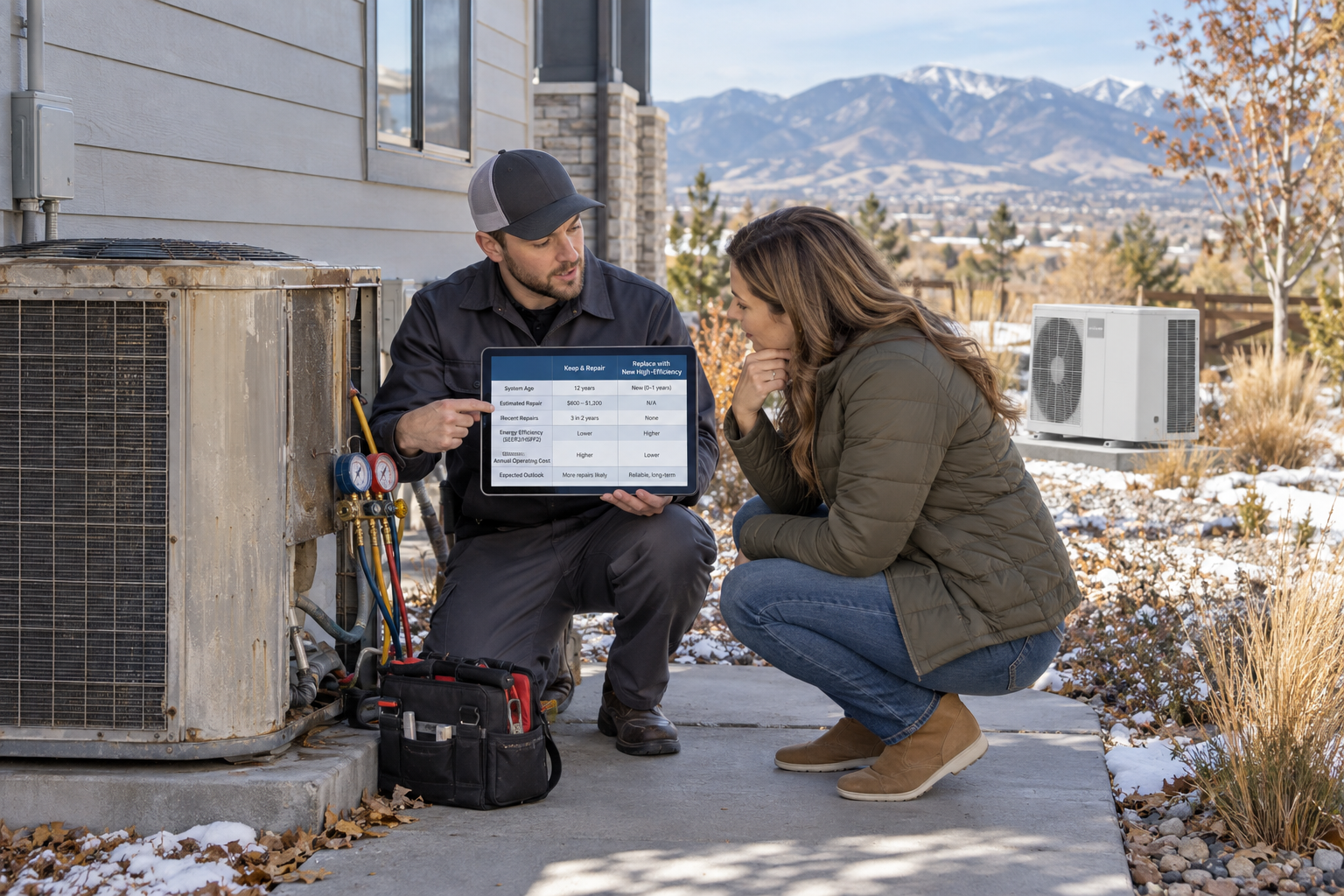
No one can predict the exact date a mechanical system will fail. A technician can evaluate its condition, performance, repair history, age, and signs of wear to help you understand its overall health.
Do mini-split heat pumps need professional service too?
Yes. Ductless systems also contain filters, coils, drains, electrical components, controls, and refrigerant circuits that require appropriate maintenance.
Is a heat pump tune-up necessary if everything seems fine?
Preventive maintenance is intended partly to evaluate the system before a major symptom appears. Equipment can still operate while developing dirt buildup, electrical deterioration, drainage concerns, or other issues.
Should a new heat pump receive regular service?
Yes. New equipment still requires maintenance. Follow the manufacturer's instructions, including any maintenance requirements related to warranty coverage.
Final Thoughts
Professional Heat Pump Service should be more than a quick glance at the outdoor unit. A heat pump is a complete heating and cooling system. Filters, airflow, coils, electrical components, controls, thermostat operation, refrigerant conditions, condensate drainage, and system performance all contribute to how well it works. Denver's climate adds another reason to take maintenance seriously.
The equipment needs to handle summer cooling while also operating during cold winter conditions. Defrost operation and supplemental heat, where installed, become especially relevant during heating season.
Maintenance cannot prevent every breakdown or guarantee lower utility bills. What it can do is give the system regular attention and provide opportunities to identify maintenance concerns and abnormal operation. Homeowners should also know what they are paying for. Ask what is included before scheduling a tune-up, and ask what the technician found afterward. If a repair is recommended, understand the reason before approving the work. That turns heat pump maintenance from a mysterious annual appointment into something much more useful: an opportunity to understand how your system is performing and what it needs to keep doing its job.
Know What Your Heat Pump Needs Before Problems Grow
If it has been a while since your heat pump received a thorough inspection, contact Denver Heat Pump Services to discuss professional maintenance. We can evaluate how your system is operating, explain what we find in straightforward terms, and help you address concerns before they become bigger comfort problems.
Learn more about our heat pump services through our articles below:
- Why Regular Heat Pump Service in Denver CO Can Save You Thousands
- What Does It Cost to Have a Heat Pump Serviced
- Signs Your Heat Pump Is Near the End of Its Lifespan