Repair or Replace? When Heat Pump Replacement in Denver Makes More Sense
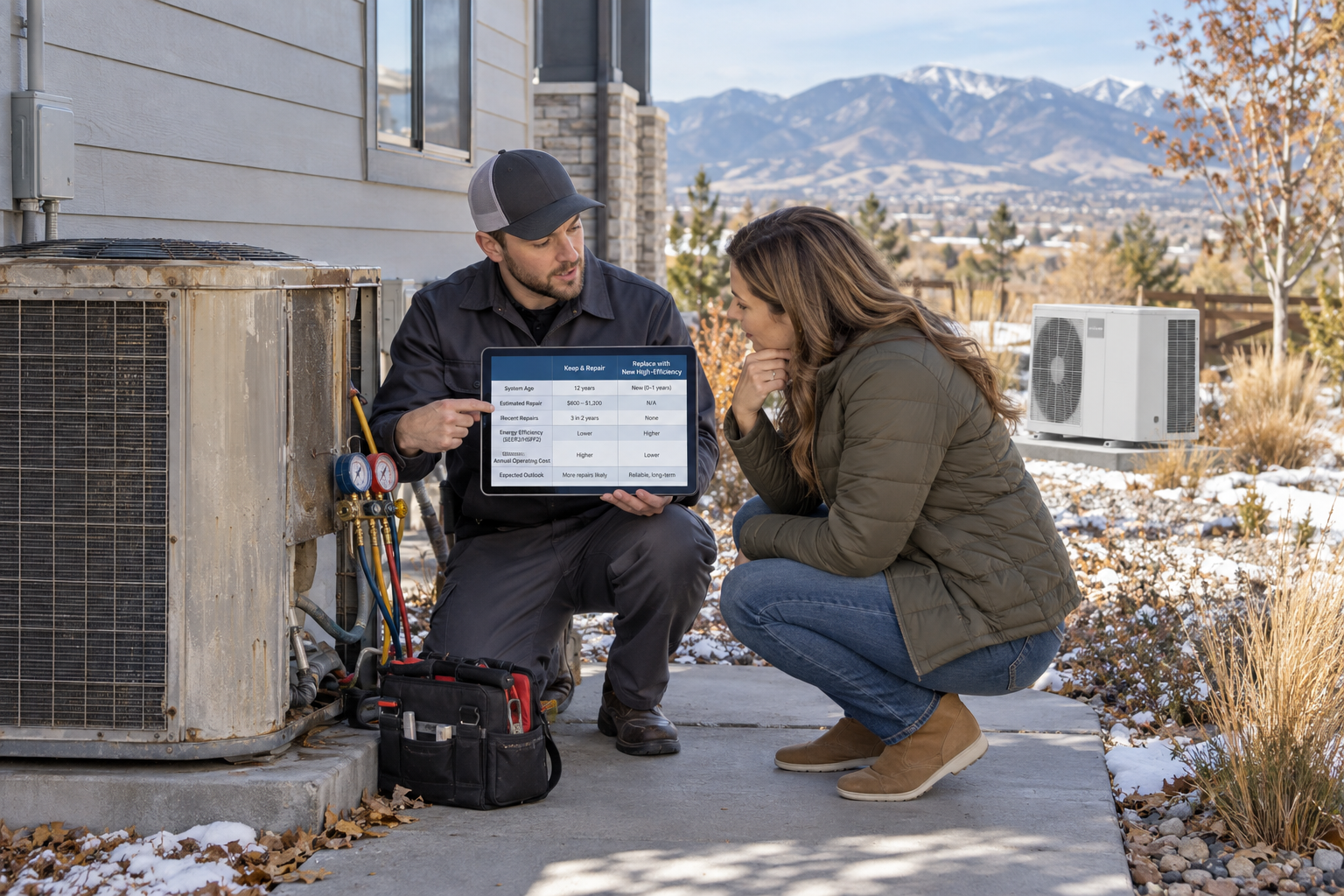
Your heat pump has stopped keeping up again, and now you are facing the frustrating question every homeowner eventually asks: should you pay for another repair or finally replace the system? Heat Pump Replacement is a significant investment, so it makes sense to hesitate before giving up on equipment that might still have useful life left. At the same time, repeatedly repairing an unreliable system can become expensive and frustrating. At Denver Heat Pump Services, we believe the decision should be based on the condition of the entire system rather than one problem or one repair bill. When homeowners ask us about Heat Pump Replacement Denver Co, we look at repair history, performance, efficiency, comfort, equipment condition, refrigerant, and how well the system handles Denver's heating and cooling demands. The goal is not to replace equipment simply because it is getting older. It is to recognize when repairing the same system no longer represents the practical long-term choice.
Is It Better to Repair or Replace a Heat Pump?
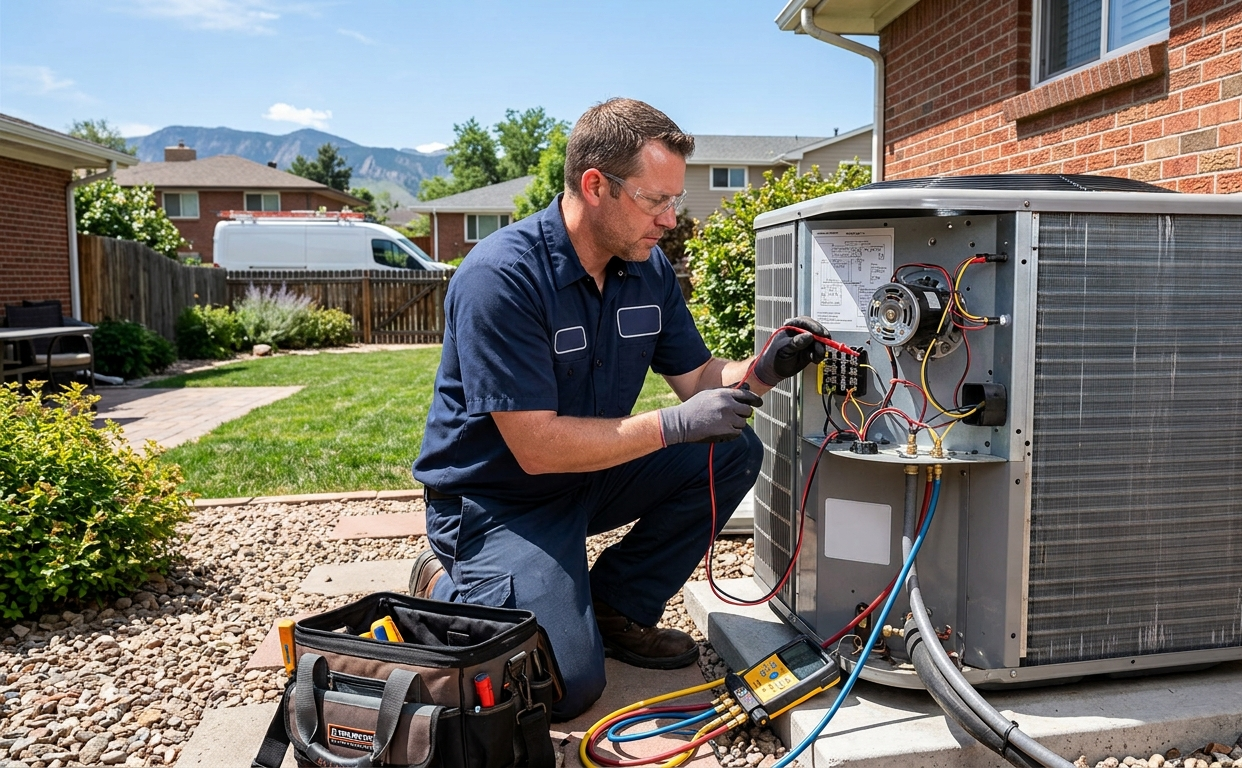
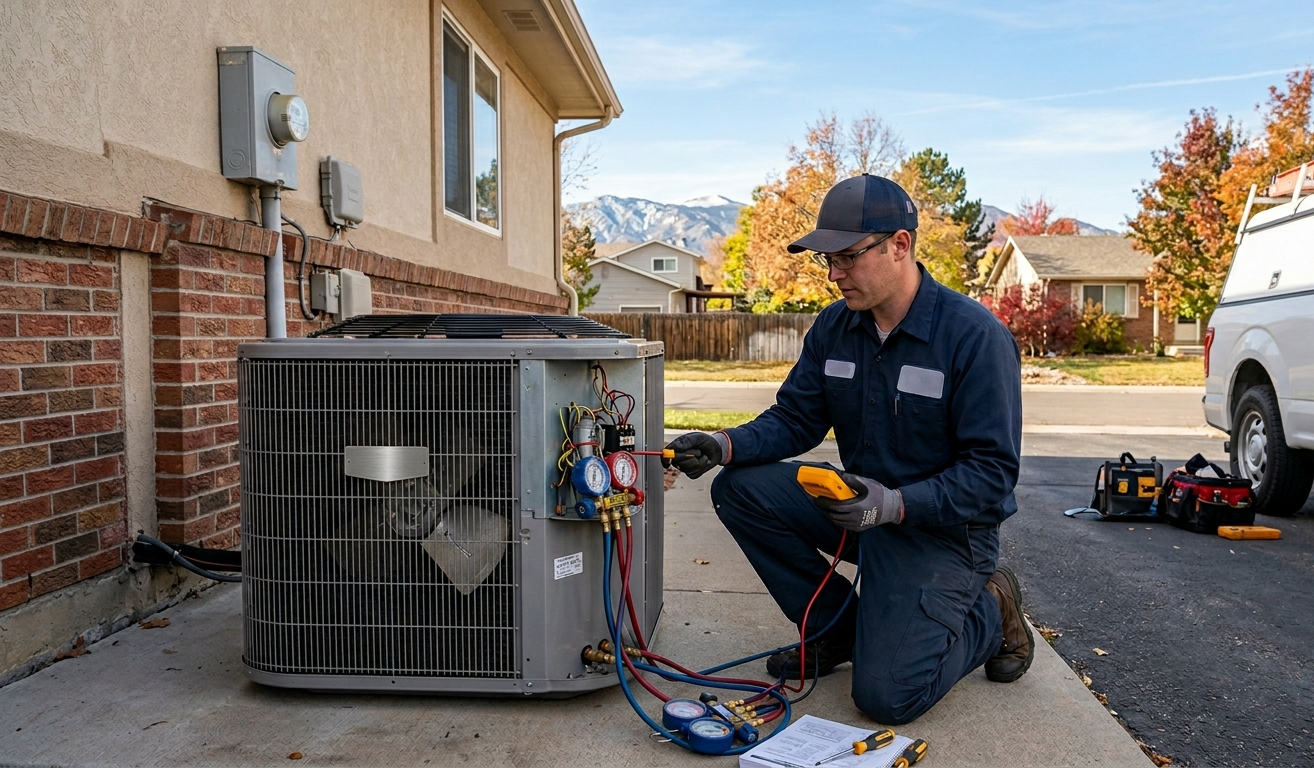
Repairing a heat pump often makes sense when the system is relatively young, has been dependable, and needs a minor or isolated repair. Heat Pump Replacement becomes more reasonable when an aging system experiences repeated breakdowns, needs a major component repair, struggles to maintain comfortable temperatures, or has several components approaching the end of their useful service.
The decision should also consider energy performance, warranty coverage, refrigerant type, parts availability, equipment sizing, and how long you plan to remain in the home. Age alone should not determine the answer. An older heat pump that remains reliable and performs well may continue to be worth maintaining, while a newer system with serious installation or equipment problems may require a different approach. In Denver, heating performance during colder weather also matters because not every heat pump delivers the same capacity as outdoor temperatures fall. A professional diagnosis should identify what actually failed, evaluate the condition of the rest of the system, and help you compare the immediate repair with the likely long-term cost and reliability of keeping the existing equipment.
How Long Does a Heat Pump Usually Last?
There is no exact age at which every heat pump suddenly becomes unusable.
Equipment life depends on installation quality, maintenance, operating hours, climate, equipment design, correct sizing, outdoor conditions, and how the system has been used. A heat pump also works differently from a heating-only system because it may operate during both winter and summer. That can mean substantial annual runtime.
Instead of concentrating on a single lifespan number, we recommend looking for changes in the system.
Has it required several repairs recently? Is heating or cooling performance noticeably different? Does it run without reaching the thermostat setting? Are major components beginning to fail?
Age becomes more important when it appears alongside these problems.
A system that has performed reliably for years but suddenly needs its first modest repair presents a very different decision from an older system that has already required several expensive service calls.
What Are the Signs That a Heat Pump Needs to Be Replaced?
Repeated breakdowns are one of the strongest reasons to start discussing replacement.
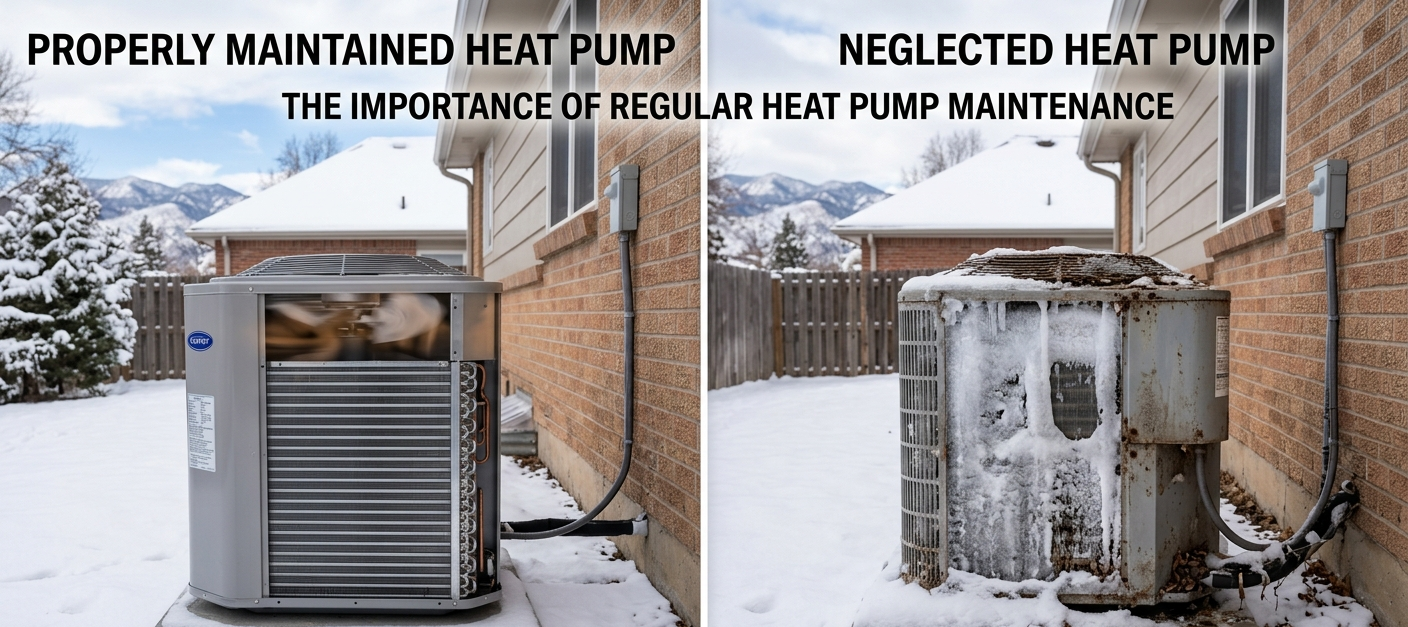
One repair does not necessarily indicate that the entire system is failing. However, when service calls become a regular occurrence and different aging components begin causing problems, continuing to repair the equipment deserves closer scrutiny.
Comfort problems are another warning sign. You may notice that certain rooms no longer reach the desired temperature, the system runs excessively, or the house feels uncomfortable despite the thermostat setting. Unusual noises, short cycling, deteriorated equipment, or major component failures also deserve investigation.
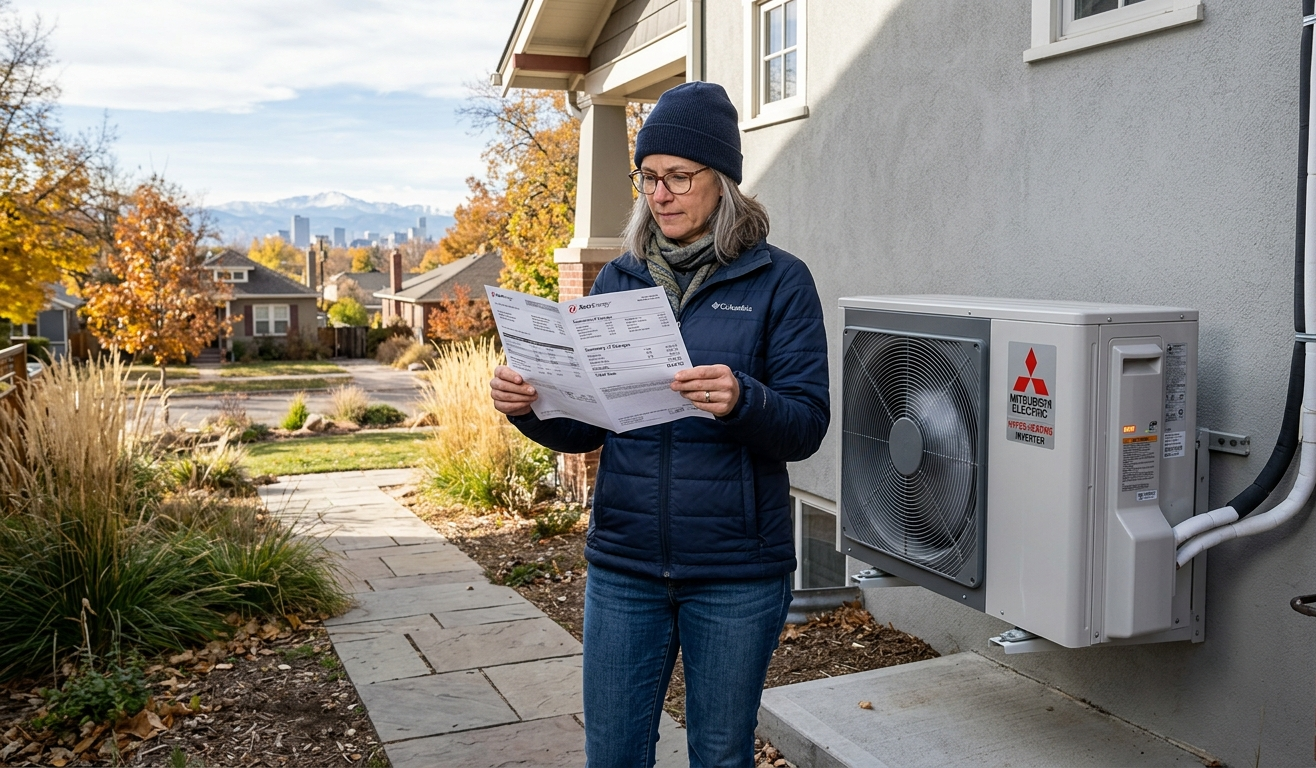
Rising electricity consumption can be another clue, but utility bills need context. Weather, energy rates, thermostat settings, household occupancy, and other electrical loads can all affect monthly costs.
None of these signs automatically proves you need a new heat pump. They indicate that a complete system evaluation makes more sense than treating each symptom separately.
At What Age Should You Consider Replacing a Heat Pump?
There is a difference between considering replacement and automatically replacing equipment.
As a heat pump gets older, it is reasonable to evaluate replacement more seriously when a substantial repair occurs. That does not mean removing a system simply because it has reached a certain birthday.
Consider its history.
A well-maintained system with few repairs and good performance may deserve a different decision from equipment of similar age that has experienced compressor trouble, refrigerant leaks, electrical failures, and declining comfort.
Age can also affect parts availability and compatibility with newer equipment. Planning ahead has another advantage. If your heat pump is aging but still operating, you have time to research equipment, compare efficiency ratings, evaluate cold-weather performance, and address electrical or ductwork needs. Waiting until the system completely fails during extreme weather can turn an important home improvement decision into an emergency.
When Is Heat Pump Repair Still Worth It?
Repair is often reasonable when the underlying equipment remains in good condition.
A relatively new system with a minor electrical component failure, control problem, or other isolated issue may have many years of useful operation ahead. Warranty coverage can also change the calculation. If a major part is still covered, repair may be substantially more attractive.
We also look at the system's history.
If this is the first significant repair and the heat pump has otherwise delivered reliable comfort, replacement may be unnecessary. The cause of the failure matters as much as the repair price.
A good diagnosis should tell you what failed, why it failed, and whether there is evidence of broader system deterioration. Our goal is to avoid two extremes: replacing good equipment prematurely or repeatedly repairing equipment that is clearly becoming unreliable.
When Does Heat Pump Replacement Make More Sense?
Replacement deserves serious consideration when several problems begin appearing together.
An older system that requires frequent repairs, has a major compressor or coil problem, struggles during Denver weather, and no longer delivers consistent comfort may not be a good candidate for continued investment.
The same applies when several major components are deteriorating. This is where homeowners researching Heat Pump Replacement Denver Co should look beyond today's repair estimate. Suppose one repair gets the system running again, but another aging component is likely to need attention soon. The lowest immediate cost may not represent the lowest long-term cost.
Replacement may also create an opportunity to correct an improperly sized system or choose equipment with stronger low-temperature performance.
The important word is "may." We want homeowners to understand the condition of their current system before deciding. A large repair estimate should lead to a careful comparison, not an automatic sales pitch.
How Much Does It Cost to Repair a Heat Pump Versus Replace It?
There is no universal price comparison that works for every Denver home.
Heat pump repair costs depend on the failed component, labor requirements, equipment model, warranty, parts availability, refrigerant, and what the diagnostic process reveals.
Replacement costs depend on much more than the outdoor unit.
Equipment capacity, efficiency, indoor components, ductwork, electrical requirements, controls, installation complexity, and cold-climate performance can all affect the project.
This is why simple formulas such as "replace if the repair costs a certain percentage of a new unit" can be misleading.
A better comparison considers what you receive for each investment.
If a reasonable repair restores an otherwise healthy system, repairing may be the logical choice. If a large repair leaves you with aging equipment that has other developing problems, replacement may offer better long-term value.
Are New Heat Pumps More Energy Efficient?
Modern heat pumps can provide significant efficiency improvements, particularly when compared with older or poorly performing equipment. The U.S. Department of Energy explains that heat pumps transfer heat rather than generating it directly through combustion or electric resistance. Modern air-source technology has also improved enough that heat pumps are now a legitimate heating option in colder regions.
Efficiency ratings can help homeowners compare equipment. SEER2 relates to seasonal cooling efficiency, while HSPF2 describes seasonal heating efficiency. Higher ratings indicate greater rated efficiency under the applicable test procedures. ENERGY STAR currently establishes minimum efficiency requirements for certified heat pumps and separate low-temperature performance requirements for its Cold Climate designation. However, the rating printed on equipment is not the whole story.
A highly efficient heat pump that is incorrectly sized, poorly installed, or connected to problematic ductwork may not provide the performance you expected.
Equipment selection and installation quality need to work together.
Do Heat Pumps Work Well in Denver's Cold Weather?
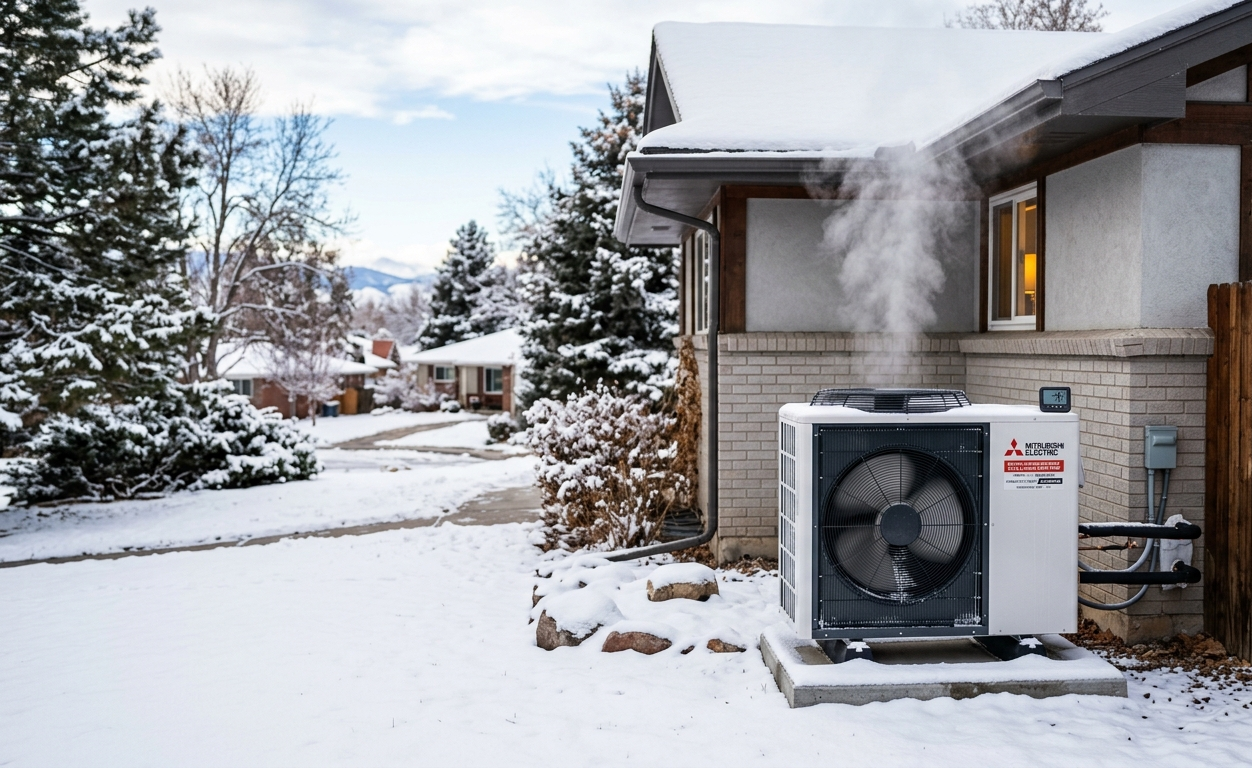
Yes, appropriately selected modern heat pumps can work in cold climates, but equipment selection is important. Older heat pump technology developed a reputation for struggling as temperatures fell. Modern cold-climate equipment is designed differently.
ENERGY STAR explains that many certified air-source heat pumps use advanced compressors and refrigerants that improve low-temperature performance. Its Cold Climate designation includes specific low-ambient performance requirements.
For example, current ENERGY STAR cold-climate criteria require qualifying residential systems to demonstrate performance at 5°F, including a minimum coefficient of performance and minimum heating capacity relative to their output at 47°F.
That does not mean every heat pump performs identically in Denver. When choosing equipment, we need to consider the home's heating load and how much heating capacity a particular model retains as outdoor temperatures fall. Some homes may also use supplemental or backup heat depending on system design.
What Is a Cold-Climate Heat Pump?
A cold-climate heat pump is specifically designed and tested for stronger performance at low outdoor temperatures. These systems commonly use technologies such as variable-speed compressors and controls that allow them to adjust capacity as conditions change.
ENERGY STAR's current Cold Climate designation requires specific efficiency and low-temperature performance criteria. Qualifying systems must demonstrate a coefficient of performance of at least 1.75 at 5°F and retain at least 70 percent of their 47°F nominal heating capacity at 5°F.
Those numbers are useful because they allow homeowners and contractors to evaluate actual cold-weather performance instead of assuming every heat pump carrying a high efficiency rating will behave the same way during a Denver cold snap.
We also need to match the equipment to the house. A cold-climate label is valuable, but it does not eliminate the need for proper sizing and system design.
Can Replacing an Old Heat Pump Lower Energy Bills?
It can, especially when inefficient or poorly performing equipment is replaced with a correctly sized, higher-efficiency system. However, no contractor should promise the same savings to every homeowner.
Your previous equipment matters. So do Denver weather, thermostat settings, electricity prices, insulation, air leakage, duct condition, household habits, and the efficiency of the replacement.
A homeowner replacing inefficient electric resistance heating may see a very different change from someone replacing a reasonably efficient modern heat pump.
DOE notes that heat pumps can be substantially more efficient than traditional electric resistance heating because they move heat rather than generate it directly. Before assuming the equipment is responsible for a high utility bill, we also recommend looking at the house itself. Poor insulation, leaky ducts, and uncontrolled air leakage can waste energy regardless of how efficient the new heat pump is.
Why Does Heat Pump Sizing Matter When Replacing a System?
Bigger is not automatically better. ENERGY STAR recommends that HVAC contractors determine the proper equipment size using a Manual J calculation, which estimates how much heating and cooling a home actually requires.
Oversized equipment can create operating and comfort problems. Depending on the equipment and application, it may cycle more frequently instead of operating steadily.
Undersized equipment creates a different concern because it may struggle to satisfy the home's heating or cooling load.
Heat pumps add another consideration: low-temperature heating capacity. A model's nominal size does not tell you everything about how it performs when outdoor temperatures fall. That is why we believe Heat Pump Replacement should involve evaluating the house instead of automatically installing another unit with the same capacity printed on the old equipment. Homes change. Windows may have been replaced, insulation added, additions built, or previous equipment may simply have been incorrectly sized. Replacement is an opportunity to verify the load instead of repeating an old assumption.
Should You Replace Your Heat Pump Before It Completely Fails?
Sometimes planned replacement is more convenient than waiting for a complete breakdown.
If an aging system is already showing several warning signs, replacing it while it still operates gives you more time to research equipment.
You can compare efficiency, low-temperature performance, warranties, controls, and installation approaches without feeling pressured by a freezing house.
Planned replacement also provides time to inspect ductwork and evaluate electrical requirements.
However, we do not recommend replacing a reliable system solely because you are worried it might eventually fail.
Every mechanical system will need replacement someday.
The better approach is to monitor an aging heat pump, understand its condition, and begin planning when repair frequency or performance suggests that replacement is becoming more likely.
Should You Replace the Indoor and Outdoor Heat Pump Units Together?
Heat pumps operate as systems, so component compatibility matters.
The outdoor unit works with indoor components such as an air handler or coil. Rated efficiency and performance may depend on a specific matched combination.
Refrigerant compatibility also matters.
Installing mismatched components can affect performance and may create manufacturer or warranty concerns. That does not mean every indoor component automatically has to be discarded whenever something happens to the outdoor unit.
The existing equipment needs to be identified and evaluated.
When replacement is recommended, ask which components need to change and why. You should understand whether the recommendation is based on compatibility, refrigerant, efficiency, equipment condition, manufacturer requirements, or another technical reason.
What Refrigerant Does Your Existing Heat Pump Use?
Refrigerant can become an important part of the repair versus replacement conversation, particularly with older systems. EPA identifies HCFC-22, commonly called R-22, as a refrigerant historically used in many residential air conditioners and heat pumps. Production and import of new R-22 have been phased out in the United States. Importantly, EPA does not require homeowners to replace an existing R-22 system simply because it uses that refrigerant.
Existing equipment can continue to be serviced under applicable requirements, although refrigerant availability, repair costs, system condition, and compatibility may influence the practical decision.
EPA also requires appropriate refrigerant handling under Section 608 of the Clean Air Act. Technicians who service equipment containing regulated refrigerants must follow applicable certification and handling requirements.
New equipment is designed around its specified refrigerant. Refrigerants should never be treated as interchangeable fluids that can simply be substituted without considering equipment design and regulatory requirements.
Can a New Heat Pump Improve Comfort?
It can, particularly if your existing equipment has performance problems or is poorly matched to the home.
Modern variable-capacity systems can adjust their output instead of operating only at one fixed level.
That can provide steadier temperatures and quieter operation in some applications.
Better controls can also improve how the system responds to changing conditions.
However, new equipment cannot solve every comfort problem.
A room with major air leakage, inadequate insulation, poorly designed ductwork, or insufficient airflow may remain uncomfortable even after an expensive heat pump is installed.
That is why we want to understand whether a comfort complaint actually originates with the equipment.
Replacing a heat pump without diagnosing the building can result in a homeowner spending thousands of dollars while the original problem remains.
What Should You Look for in a New Heat Pump?
Start with performance rather than brand recognition alone.
For Denver, heating capacity at lower outdoor temperatures deserves attention. Look at efficiency ratings such as SEER2 and HSPF2, but also evaluate cold-weather performance where applicable.
ENERGY STAR's Cold Climate designation can provide another useful reference because qualifying equipment has to meet specific low-temperature criteria.
Next, consider how the equipment operates.
Variable-speed or variable-capacity technology can offer advantages in comfort and efficiency for certain homes. Noise, warranty coverage, thermostat compatibility, indoor equipment, and serviceability also deserve consideration.
Then look at installation. ENERGY STAR recommends proper sizing using a Manual J load calculation. Existing ductwork should also be evaluated rather than automatically assumed to be adequate.
The right heat pump is not simply the unit with the highest efficiency number. It is equipment that fits the home's load, climate, distribution system, electrical setup, and homeowner's priorities.
Questions to Ask Before Approving Another Heat Pump Repair
When a significant repair is recommended, ask what actually failed and whether the failure is isolated.
You should also understand the condition of the major components that remain. Ask whether the part is covered by warranty and whether replacement parts are readily available. Find out whether there is evidence of refrigerant leakage or another underlying problem that could cause the same issue to return.
Then look at history. How many repairs has the system needed recently? Have those repairs involved unrelated aging components? Is the heat pump still maintaining comfortable temperatures?
Finally, ask what replacement would actually improve.
If the answer is simply "the new system is newer," you probably need more information. If replacement would address repeated failures, poor cold-weather performance, incorrect sizing, and declining efficiency at the same time, the comparison becomes more meaningful.
Why Choose Denver Heat Pump Services
At Denver Heat Pump Services, we focus specifically on helping homeowners understand heat pump performance in a climate where both heating and cooling matter. We believe diagnosis comes before replacement.
When a heat pump has a problem, we want to identify what failed, understand the overall equipment condition, and explain whether repair remains practical. If replacement makes more sense, equipment selection needs the same level of care.
Denver winters mean we consider low-temperature heating performance instead of looking only at cooling efficiency. Proper sizing, equipment compatibility, airflow, controls, and the condition of the existing system all matter. When homeowners come to us for Heat Pump Replacement Denver Co, we want them to understand why a particular option is being recommended.
That includes discussing what the new equipment may improve, what additional work may be necessary, and whether issues elsewhere in the home could be contributing to comfort problems.
Our goal is straightforward: give homeowners enough useful information to make a confident repair or replacement decision without making the process more complicated than necessary.
Frequently Asked Questions About Heat Pump Replacement
Can you replace a heat pump in the winter?
Yes. Heat pumps can be replaced during winter, although severe weather and installation conditions can affect scheduling. Planning replacement before an emergency can make the process easier.
Will a new heat pump work with my existing thermostat?
Possibly. Compatibility depends on the equipment and controls. Variable-speed and communicating systems may require specific thermostats or control equipment.
Can I keep my existing ductwork when replacing a heat pump?
Often, but it should be evaluated. Duct leakage, poor sizing, restrictions, or inadequate airflow can prevent new equipment from performing as intended.
Does a new heat pump need a new electrical circuit?
It depends on the equipment and existing electrical system. Electrical requirements should be reviewed during replacement planning rather than assumed.
Is a noisy heat pump a sign that it needs replacement?
Not automatically. Noise can result from several mechanical, airflow, installation, or component problems. Diagnosis should come before a replacement recommendation.
Why does my heat pump run for long periods in winter?
Longer operation can be normal, especially for equipment designed to maintain temperatures steadily. If the system runs continuously while the home becomes increasingly uncomfortable, it should be evaluated.
Can I switch from a furnace to a heat pump?
Many homes can transition to heat pumps, but heating load, electrical capacity, ductwork, equipment selection, and the desired backup heating strategy should be considered.
Do I automatically need a cold-climate heat pump in Denver?
Not necessarily; every home or system will require the same equipment. However, Denver homeowners should pay close attention to low-temperature heating capacity when comparing heat pumps because winter performance is an important part of system selection.
Final Thoughts
The decision between repair and Heat Pump Replacement should not come down to equipment age alone.
A relatively young, reliable heat pump with one repairable problem may have plenty of useful life remaining. Replacing it unnecessarily does not provide good value. The equation changes when breakdowns become frequent, major components begin failing, comfort declines, or an older system requires increasingly expensive attention. Denver's climate adds another important consideration.
Modern heat pumps can provide effective cold-weather heating, but equipment performance varies. ENERGY STAR specifically tests qualifying cold-climate systems for low-temperature capacity and efficiency, which is why we recommend looking beyond basic cooling ratings when choosing replacement equipment.
Sizing is equally important. Installing a larger heat pump simply because it seems safer is not a substitute for calculating the home's actual heating and cooling needs.
Refrigerant, indoor equipment, ductwork, controls, and electrical requirements may also influence the decision. Most importantly, ask for a diagnosis before agreeing to either a major repair or replacement.
You should know what failed, what condition the rest of the equipment is in, and what you gain by choosing one option over the other.
Get a Clear Answer Before Making the Investment
If you are unsure whether another repair is worthwhile or your system is ready for replacement, schedule an evaluation with Denver Heat Pump Services. We can assess how your heat pump is performing, explain what is causing the problem, and help you compare your options so you can make an informed decision for your Denver home.
Learn more about our heat pump services through our articles below:
- 7 Urgent Signs Your Heat Pump Needs Immediate Repair
- Repair vs Replacement: Is It Time for a New Heat Pump?
- 8 Warning Signs You Need Heat Pump Repair in Denver CO