Shopping for a new heat pump can quickly become overwhelming once homeowners realize how many sizes, efficiency ratings, and system options are available. In Denver, where temperatures shift dramatically throughout the year, choosing the wrong system size can lead to uneven temperatures, higher utility bills, and long term performance problems. Many homeowners considering
heat pump replacement Denver CO services are surprised to learn that proper sizing matters just as much as the brand itself.
A heat pump that is too large or too small can struggle to maintain comfort efficiently, especially during Colorado’s cold winters and warm summers. Understanding how heat pump sizing works can help homeowners make smarter decisions before investing in a new system. If you are planning a heat pump replacement Denver CO project, learning the basics of sizing, efficiency, and installation quality can help you avoid expensive mistakes and improve comfort for years to come.
How Do I Determine What Size Heat Pump I Need?
Heat pumps come in different sizes because every home has unique heating and cooling demands. Heat pump size is usually measured in tons or BTUs, which indicate the heating and cooling capacity the system can provide. Homeowners researching heat pump replacement Denver CO options often assume square footage alone determines the correct size, but many additional factors affect proper system selection.
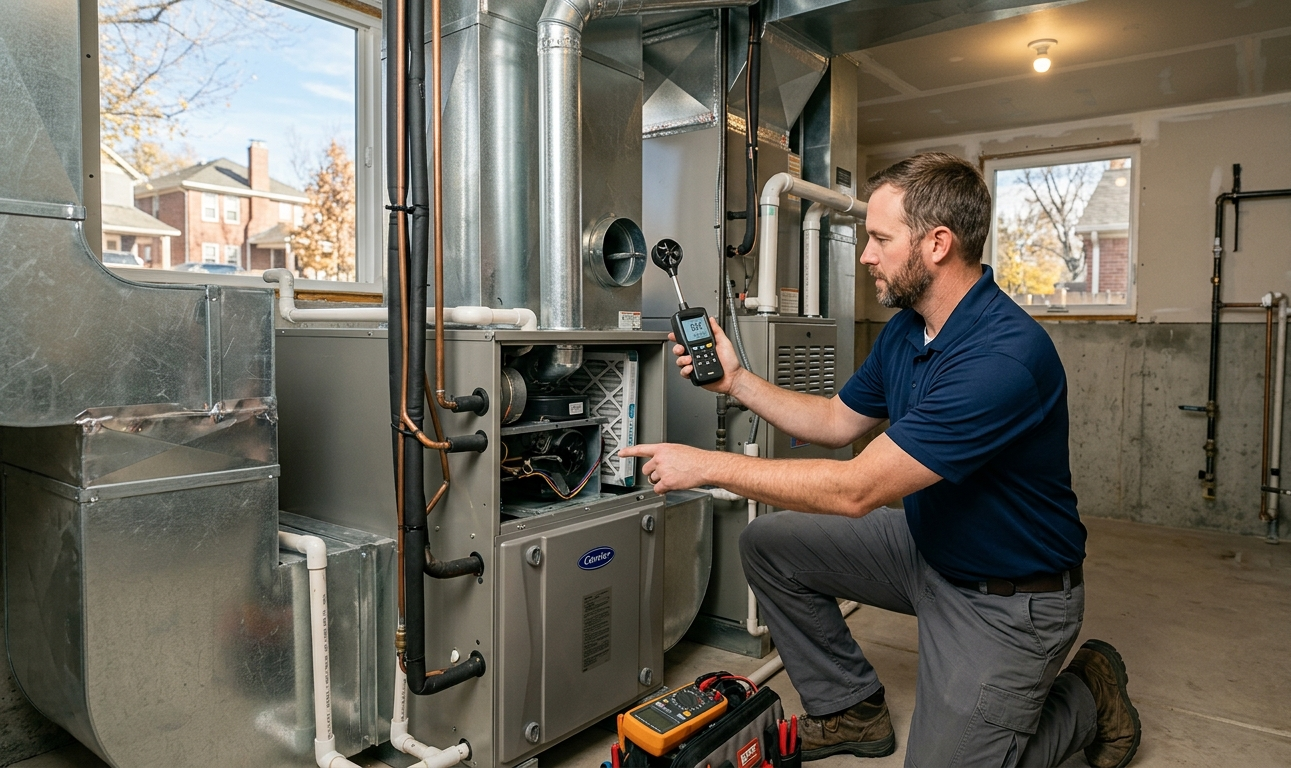
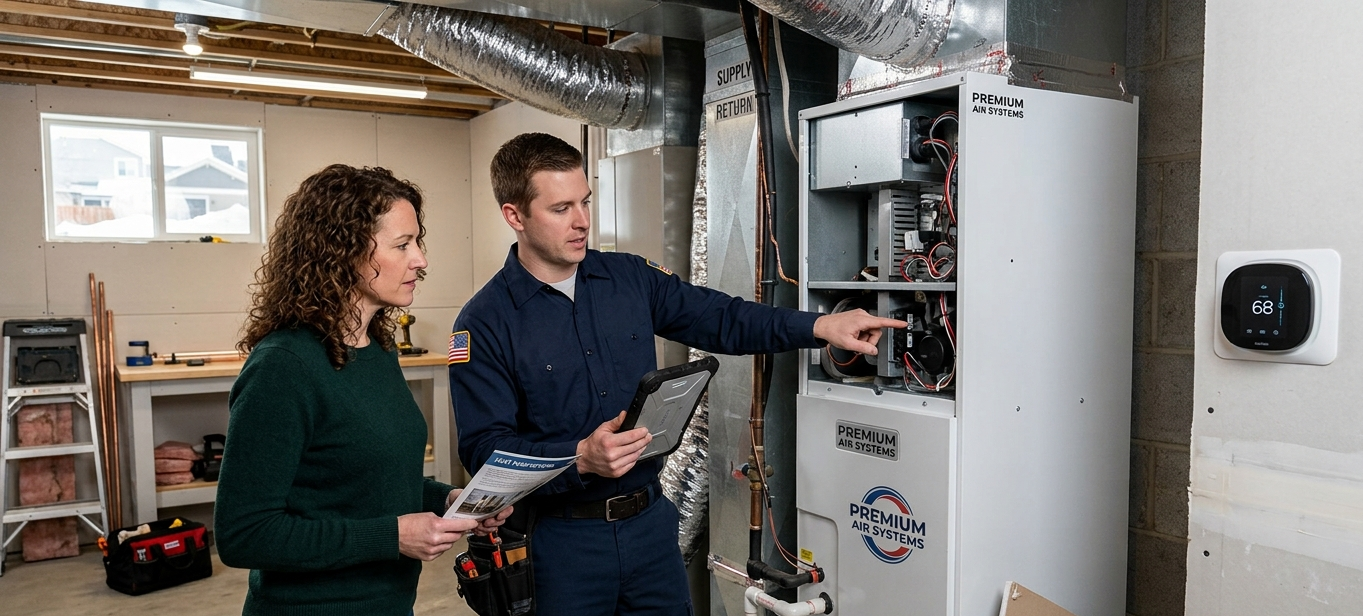
Professional HVAC contractors evaluate several important details before recommending a system size. These factors include insulation quality, ceiling height, number of windows, sun exposure, home layout, airflow, and local climate conditions. Denver homeowners face unique challenges because systems must handle freezing winters while also cooling homes efficiently during warmer months. A proper Manual J load calculation is one of the most accurate ways to determine the right heat pump replacement Denver CO solution for a specific property.
An undersized system may run continuously without reaching comfortable temperatures, while an oversized unit may short cycle repeatedly and create inconsistent heating or cooling. Both situations reduce efficiency and increase wear on system components. At
Denver Heat Pump Services, we always explain that a properly sized heat pump replacement Denver CO project improves comfort, lowers energy costs, and extends system lifespan significantly compared to systems chosen through guesswork alone.
Is It Better To Undersize Or Oversize A Heat Pump?
Neither undersizing nor oversizing is ideal, but oversizing is one of the most common mistakes homeowners encounter during a heat pump replacement Denver CO project. Many people assume larger systems automatically perform better during cold Colorado winters. In reality, oversized heat pumps often create comfort and efficiency problems that become frustrating over time.
Oversized systems tend to short-cycle, meaning they turn on and off too frequently rather than maintaining steady operation. This repeated cycling increases component wear, raises energy bills, and creates uneven indoor temperatures throughout the home. Humidity control may also suffer because the system does not run long enough to properly regulate indoor air. Homeowners pursuing heat pump replacement Denver CO services often discover that bigger systems actually create less comfortable living conditions.
Undersized systems create different issues. They may run constantly, struggle during extreme weather, and fail to maintain thermostat settings efficiently. This can lead to excessive energy consumption and unnecessary strain on important components. A professional heat pump replacement Denver CO evaluation helps ensure the system matches the home’s actual heating and cooling demands.
What Is The Rule Of 20 On A Heat Pump?
The “rule of 20” generally refers to the idea that a heat pump should maintain indoor temperatures approximately 20 degrees warmer than outdoor conditions under normal operation. For example, if outdoor temperatures are 30 degrees Fahrenheit, the system should generally maintain indoor comfort around 50 degrees without relying heavily on supplemental heating. Homeowners planning heat pump replacement Denver CO installations often hear this guideline when discussing winter performance expectations.
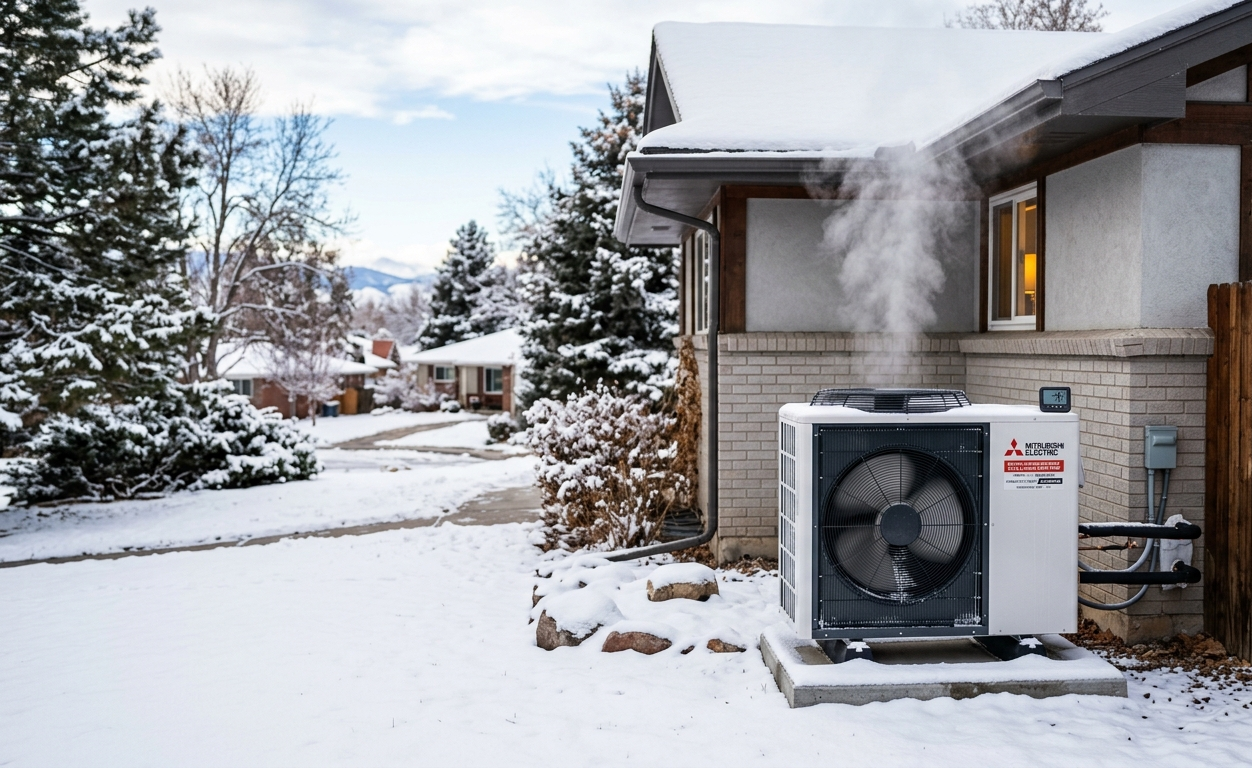
Modern cold climate heat pumps have improved significantly over older models and often exceed these traditional expectations. Systems designed specifically for colder regions can maintain comfortable indoor temperatures much more efficiently during freezing weather. However, insulation quality, ductwork condition, thermostat settings, and installation quality still play major roles in overall system performance. A properly planned heat pump replacement Denver CO project considers all of these variables before installation begins.
Denver’s changing weather patterns make installation quality especially important. Sudden temperature swings place additional stress on heating systems, particularly when units are improperly sized or poorly installed.
What Is The Most Reliable Heat Pump Brand?
Several manufacturers are widely recognized for producing reliable heat pump systems, including Trane, Carrier, Mitsubishi, Lennox, Daikin, and Rheem. However, homeowners researching heat pump replacement Denver CO services often focus too heavily on brand names while overlooking installation quality and system compatibility with their home.
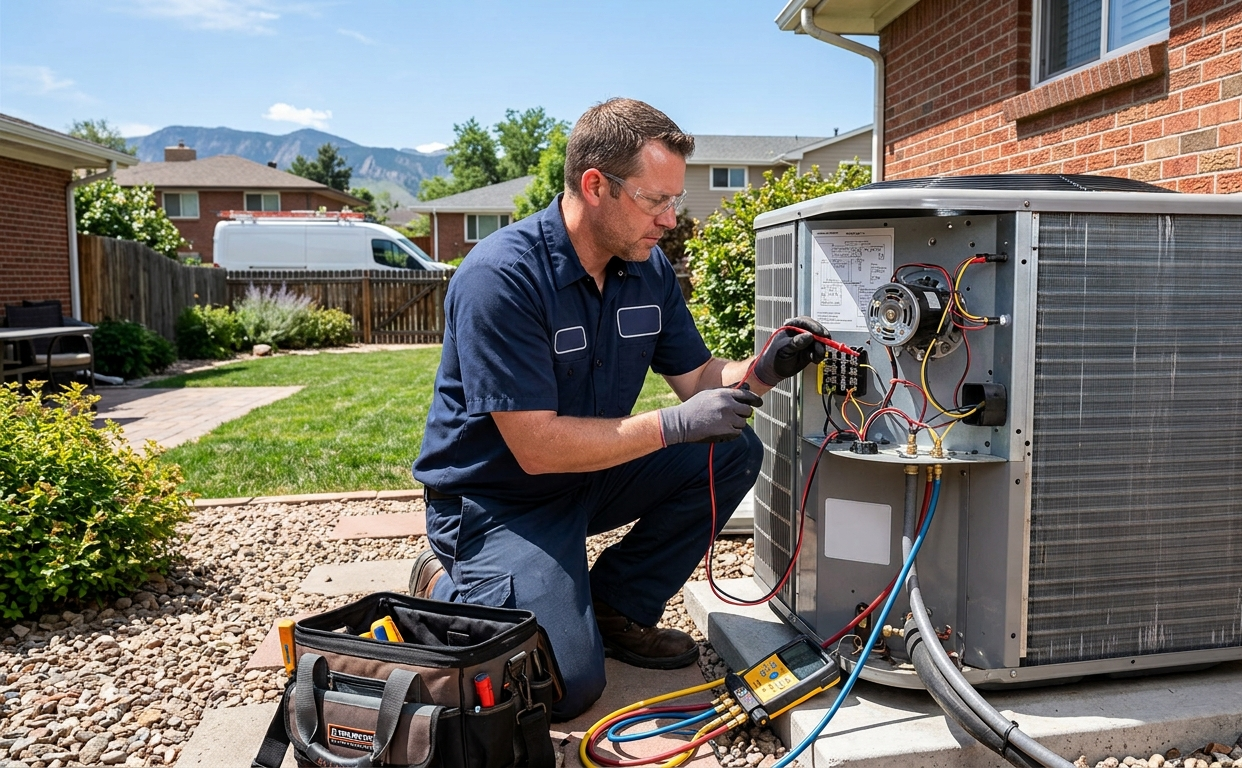
Even premium systems can perform poorly if installation mistakes occur. Improper refrigerant charging, incorrect sizing, poor airflow design, or inadequate insulation can dramatically reduce efficiency and shorten equipment lifespan. In many heat pump replacement Denver CO projects, the installation process has a greater impact on long term performance than the brand itself.
We have worked with homeowners throughout Denver who invested in expensive systems that failed prematurely due to installation shortcuts during setup. On the other hand, correctly installed mid range systems often provide reliable performance for many years. At Denver Heat Pump Services, we focus on matching homeowners with heat pump replacement Denver CO solutions that fit their property, climate needs, and long term energy goals rather than recommending brands based solely on popularity.
What Is The Lifespan Of A Heat Pump?
Most heat pumps last between 10 and 15 years, although some systems operate effectively for even longer with proper maintenance and professional installation. Several factors influence lifespan, including maintenance frequency, climate conditions, installation quality, and the systemis use throughout the year. Homeowners planning heat pump replacement Denver CO projects often begin researching new systems once their existing unit approaches this age range.
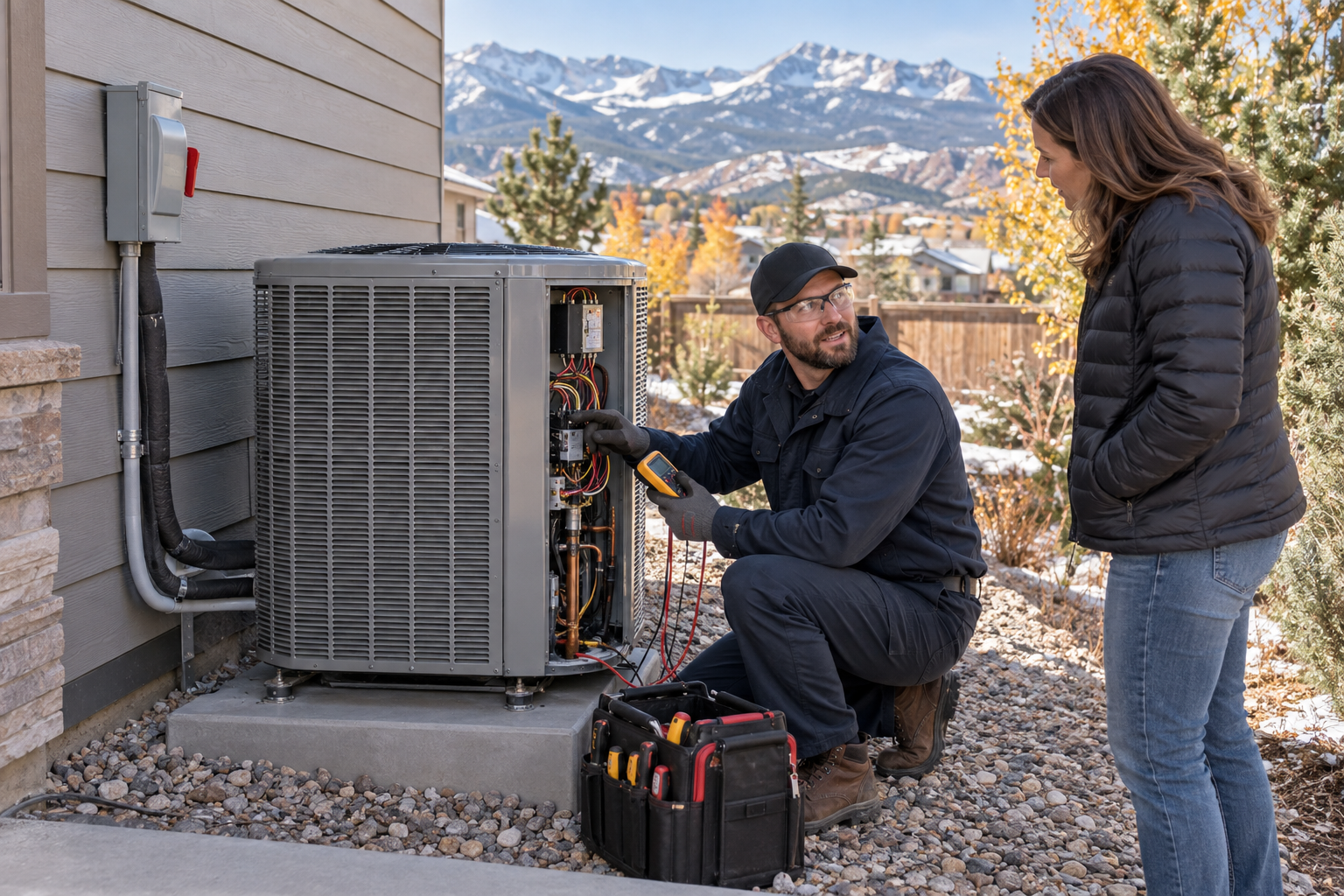
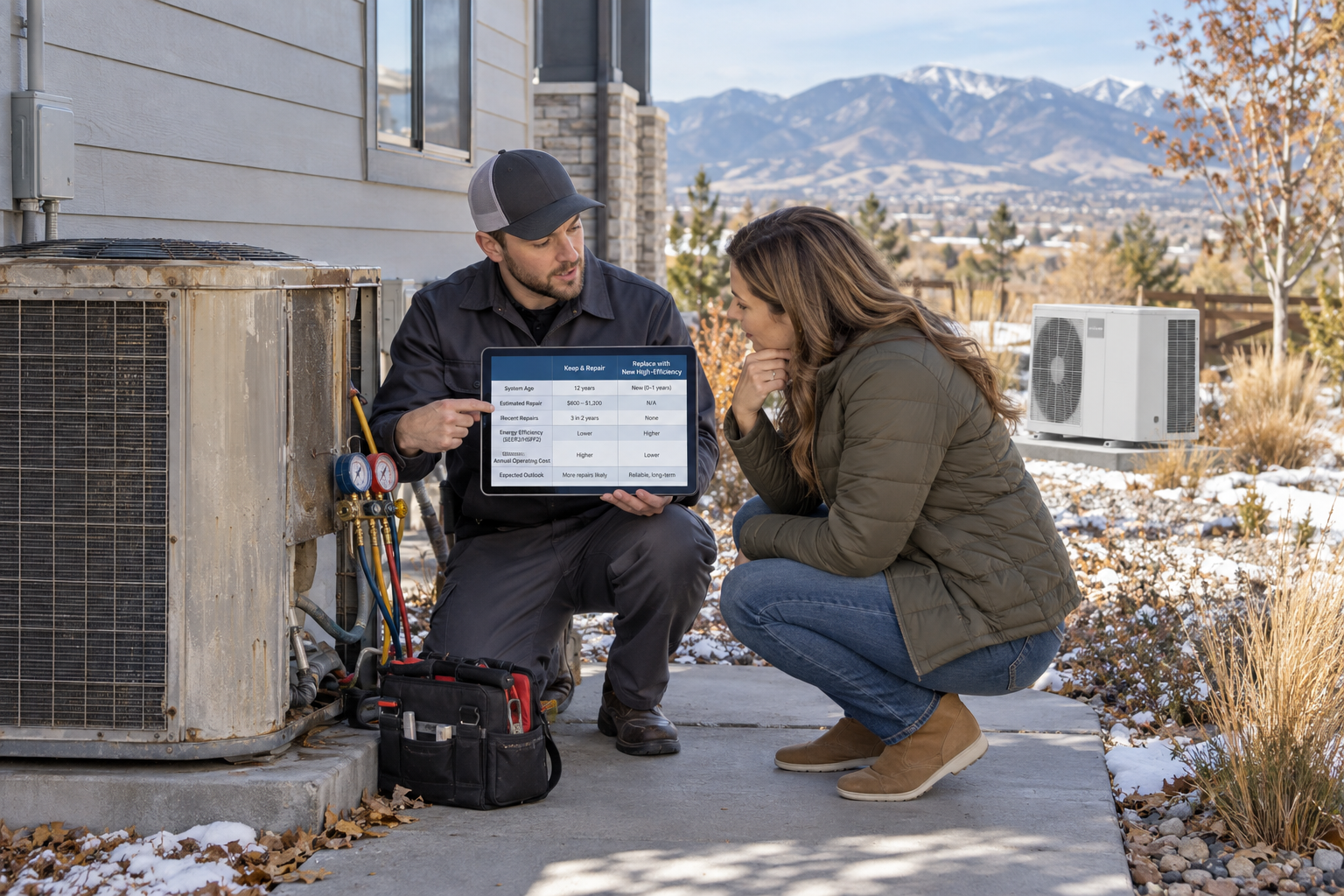
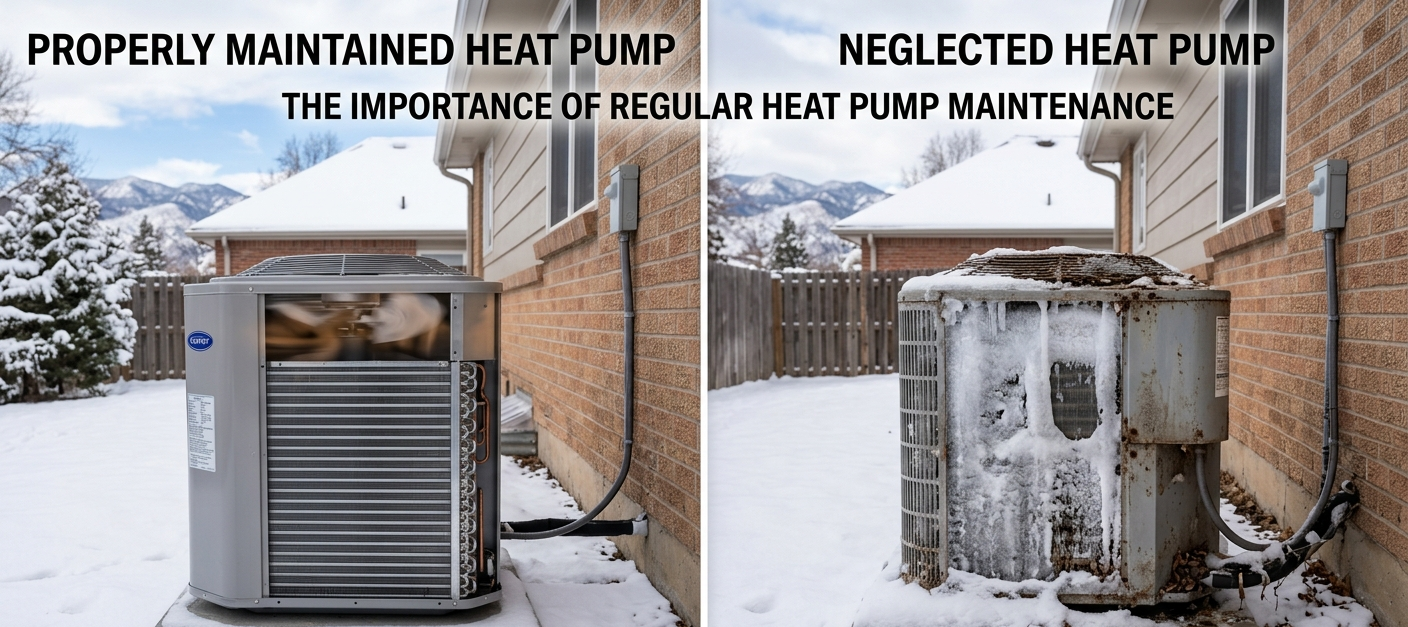
Denver’s cold winters can place extra stress on heating systems because heat pumps must work harder during freezing weather. Dirty filters, neglected maintenance, or airflow restrictions can significantly shorten the system's lifespan if ignored over time. A professional heat pump replacement Denver CO contractor can often identify whether an older system still has usable life remaining or whether replacement would provide better long term efficiency and reliability.
According to the
U.S. Department of Energy, regular maintenance helps improve both efficiency and equipment longevity. Homeowners who schedule preventative inspections and seasonal tune ups often experience fewer breakdowns and lower operating costs. At Denver Heat Pump Services, we encourage homeowners to protect their heat pump replacement Denver CO investment with regular maintenance designed specifically for Colorado’s climate demands.
What Is The Most Popular Heat Pump Brand?
Some of the most popular heat pump brands among homeowners include Carrier, Trane, Lennox, Mitsubishi Electric, and Daikin. These manufacturers are often recognized for reliability, energy efficiency, warranty options, and contractor availability. However, homeowners considering heat pump replacement Denver CO systems should remember that popularity does not always guarantee the best fit for every home.
The best system depends on the home’s layout, insulation quality, climate conditions, and overall energy-efficiency goals. We recently worked with a homeowner whose previous premium brand system constantly cycled on and off because it was oversized for the property. After replacing it with a properly designed heat pump replacement Denver CO solution, comfort improved dramatically and monthly utility costs decreased noticeably.
This experience highlights an important point many homeowners overlook. The best heat pump is not necessarily the most expensive or most heavily advertised model. Instead, the ideal heat pump replacement Denver CO system is the one properly designed, installed, and matched to the specific demands of the property. You can also check out
Does a Heat Pump Work in Extreme Cold? What You Should Know for more insights.
Why Proper Installation Matters As Much As System Size
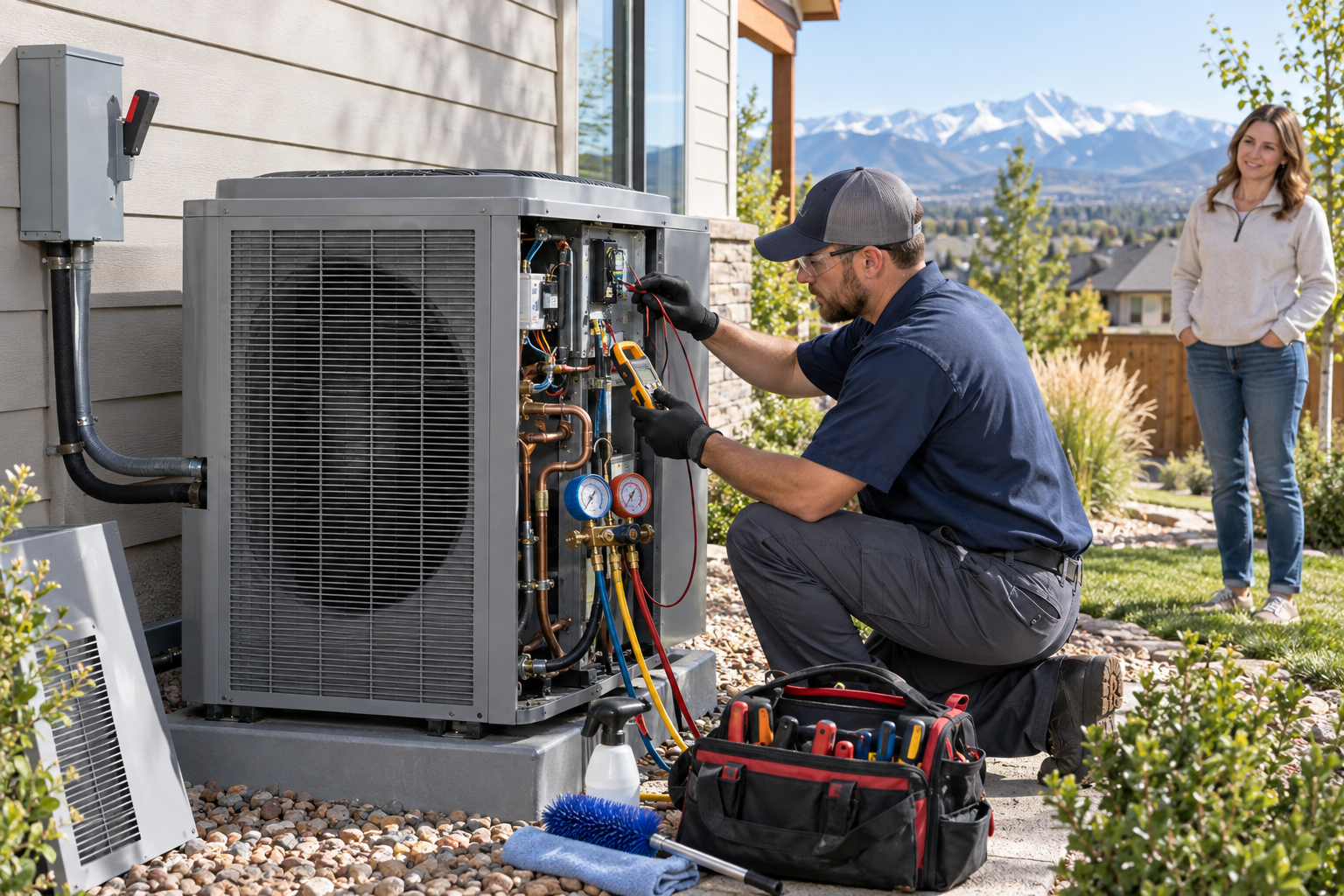
Installation quality plays a major role in the success of any heat pump replacement Denver CO project. Even the most advanced equipment can struggle if refrigerant levels, ductwork, airflow, or thermostat settings are not configured correctly. Poor installation often leads to inconsistent temperatures, reduced efficiency, higher energy costs, and premature system wear.
Many homeowners focus heavily on equipment selection while assuming installation details are less important. In reality, improper installation practices can significantly reduce system efficiency. Leaking ducts, restricted airflow, or improper system calibration may prevent the heat pump from operating at its full potential. A professional heat pump replacement Denver CO contractor performs detailed evaluations to ensure all components work together efficiently.
We recently assisted a family in Highlands Ranch whose oversized heat pump constantly cycled throughout winter. Certain rooms stayed too warm while others remained cold, and energy costs continued rising each month. After evaluating the property, Denver Heat Pump Services recommended a properly sized heat pump replacement Denver CO system designed specifically for the home’s layout and insulation levels. The improvement in comfort, noise reduction, and energy efficiency was immediate.
Conclusion
Choosing the right heat pump involves much more than selecting a brand or estimating square footage. Proper sizing, professional installation, and climate compatibility all play critical roles in long term performance, comfort, and efficiency. For homeowners in Colorado, these factors become even more important because Denver weather places additional demands on heating and cooling systems.
A properly designed heat pump replacement Denver CO project can improve indoor comfort, lower utility costs, and reduce the likelihood of future repair problems. Taking time to evaluate system size carefully helps homeowners avoid the frustration that often comes with oversized or undersized equipment.
At Denver Heat Pump Services, we believe homeowners deserve heating and cooling systems tailored to their property’s actual needs rather than one size fits all recommendations. If you are considering a heat pump replacement Denver CO project and want guidance choosing the right system for your home,
message us now.