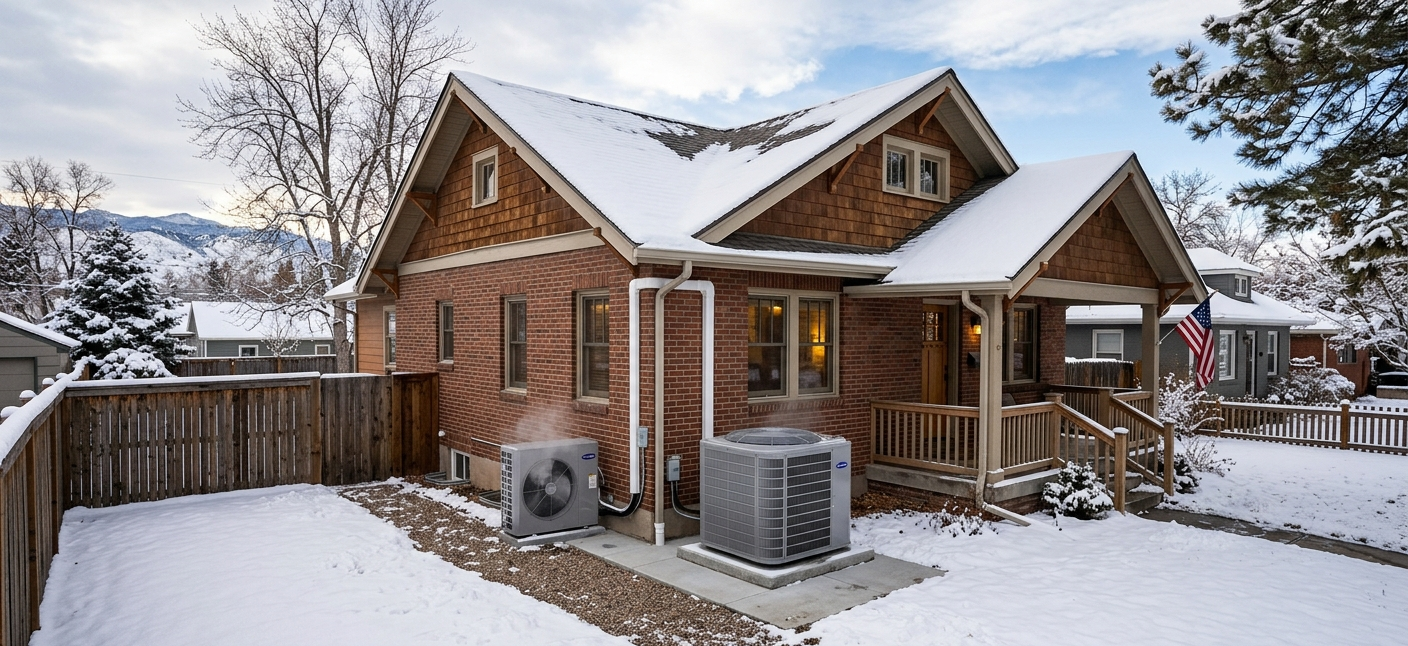
Waking up to a frozen heat pump during a cold Denver morning can leave any homeowner frustrated and worried about losing heat when temperatures drop the most. While a light layer of frost is normal during winter operation, thick ice buildup usually indicates airflow restrictions, maintenance issues, or a system problem that requires attention. Many homeowners searching for
heat pump repair Denver CO services are often surprised to learn that freezing issues are sometimes preventable with the right care and seasonal preparation.
Denver winters place extra stress on heat pump systems because temperatures can shift dramatically within hours. Snow, freezing moisture, clogged filters, and restricted airflow can all interfere with proper performance. Understanding why heat pumps freeze and knowing when to seek professional heat pump repair Denver CO assistance can help homeowners avoid expensive breakdowns while keeping their homes warm and energy efficient all winter long.
At What Temperature Do Heat Pumps Freeze Up?
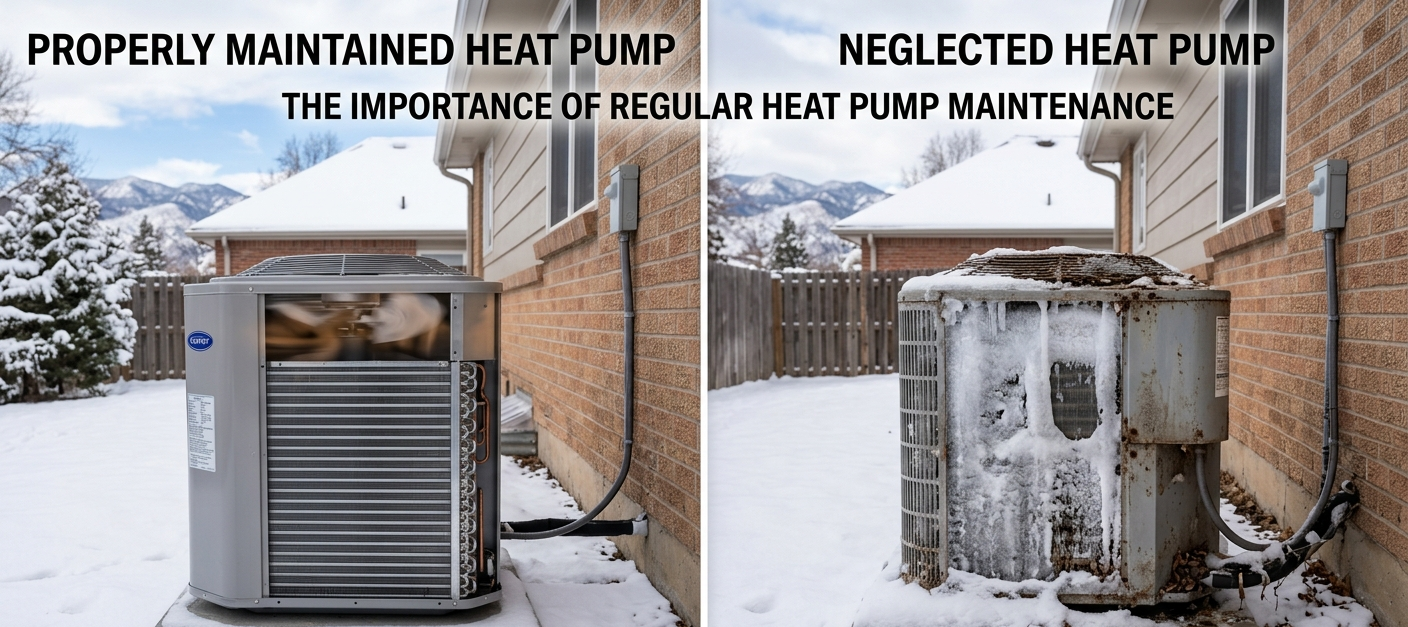
Heat pumps can begin to develop frost when outdoor temperatures fall below approximately 40 degrees Fahrenheit, especially when humidity is present. In many cases, this light frost is completely normal because heat pumps pull warmth from outdoor air even during cold weather. However, homeowners often begin searching for heat pump repair Denver CO solutions when frost turns into thick ice that covers large portions of the outdoor unit and does not disappear during the normal defrost cycle.
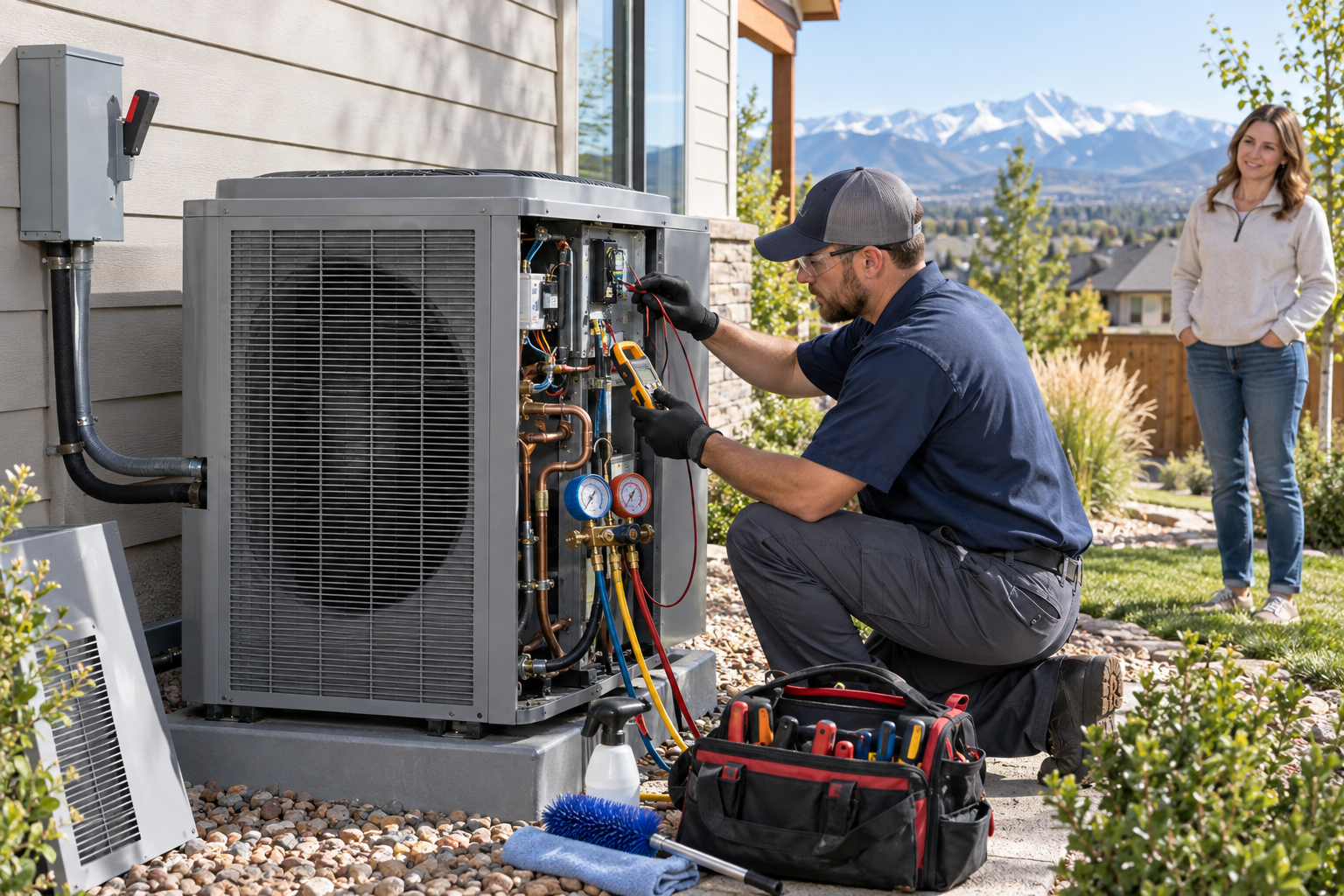
In Denver, winter conditions can fluctuate quickly between mild afternoons and freezing overnight temperatures. These temperature swings force heat pumps to work harder to maintain indoor comfort levels. Snow accumulation, freezing rain, and prolonged cold spells can increase the likelihood of excessive ice buildup. A professional heat pump repair Denver CO technician can often identify whether freezing problems are connected to dirty coils, blocked drainage, refrigerant issues, or malfunctioning defrost controls.
Most modern systems are equipped with automatic defrost settings designed to melt frost before it becomes dangerous. When the unit remains frozen for long periods, it may indicate a larger operational problem. At Denver Heat Pump Services, we often remind homeowners that light frost is expected, but heavy ice buildup around the entire unit should never be ignored. Scheduling professional heat pump repair Denver CO service early can help prevent larger winter failures and expensive emergency repairs later in the season.
What Is The 20 Degree Rule For Heat Pumps?
The “20 degree rule” refers to the idea that a heat pump should generally maintain indoor temperatures about 20 degrees warmer than the outdoor temperature under normal operating conditions. For example, if outdoor temperatures are 30 degrees, the system should usually maintain indoor comfort at or above 50 degrees without relying entirely on supplemental heating. Many homeowners seeking heat pump repair Denver CO assistance become concerned when their system struggles to maintain stable indoor temperatures during moderate winter weather.
Several factors influence a heat pump's efficiency during colder months. System size, insulation quality, thermostat settings, airflow, and overall maintenance condition all affect heating performance. Homes with poor insulation or clogged air filters may experience reduced comfort even when the heat pump itself is functioning properly. A trained heat pump repair Denver CO specialist can evaluate whether the system is operating efficiently or if underlying mechanical issues are limiting performance.
Modern cold climate heat pumps perform much better than older models and are specifically designed to handle Colorado winters more effectively. However, systems still require regular maintenance and seasonal inspections to operate at peak efficiency. At Denver Heat Pump Services, we help homeowners understand that a struggling system during mild winter conditions often signals the need for professional heat pump repair Denver CO diagnostics before colder temperatures arrive. If you want to explore further, read
What Does It Cost to Have a Heat Pump Serviced.
How To Force A Heat Pump Into Defrost In Winter?
Most modern heat pumps automatically switch to defrost mode when sensors detect excessive frost buildup on the outdoor coil. This process temporarily reverses system operation to melt accumulated ice before normal heating resumes. Homeowners often search for heat pump repair Denver CO solutions when they notice the unit staying frozen for long periods without properly entering defrost mode.
Before assuming a serious system failure, homeowners should inspect the area around the outdoor unit carefully. Snow, leaves, dirt, or debris can block airflow and prevent the system from operating correctly. Dirty filters inside the home can also restrict airflow and contribute to freezing problems. In some cases, simply improving airflow resolves the issue without requiring major heat pump repair Denver CO work.
However, homeowners should avoid manually forcing defrost cycles or attempting to remove ice with sharp tools. We recently worked with a Denver homeowner who damaged the system coils while trying to chip away ice buildup using metal equipment. The damage resulted in a far more expensive repair than the original freezing issue. At Denver Heat Pump Services, we always recommend professional heat pump repair Denver CO inspections when excessive freezing continues beyond normal frost accumulation.
What Is The Best Way To Run A Heat Pump In Winter?
The most effective way to run a heat pump in winter is to maintain a consistent thermostat setting rather than constantly adjusting temperatures throughout the day. Heat pumps perform best when they maintain steady indoor comfort levels rather than recovering from large temperature drops. Many homeowners needing heat pump repair Denver CO services unknowingly create additional strain on their systems by making frequent thermostat adjustments during cold weather.
Consistent maintenance also plays a major role in winter performance. Replacing air filters regularly, keeping vents open, and ensuring outdoor units remain free of snow and debris can significantly improve efficiency. Restricted airflow is one of the most common reasons homeowners eventually require heat pump repair Denver CO assistance during winter months. Even small maintenance issues can reduce system performance when temperatures drop below freezing.
According to the
U.S. Department of Energy, proper maintenance helps improve heat pump efficiency, reliability, and lifespan. Homeowners who schedule seasonal inspections often experience fewer winter breakdowns and lower energy costs overall. At Denver Heat Pump Services, we help homeowners prepare their systems for Colorado winters before small problems become major repair situations.
How Many Hours A Day Should A Heat Pump Run In Winter?
During cold weather, it is completely normal for a heat pump to run for extended periods or even nearly continuously. Unlike traditional furnaces that cycle on and off aggressively, heat pumps operate steadily to maintain energy efficient indoor temperatures. Many homeowners searching for heat pump repair Denver CO information become concerned when their system runs longer during freezing temperatures, even though extended operation may actually be normal.
Long run times only become problematic when the system cannot reach the thermostat setting, energy bills rise dramatically, airflow weakens, or ice accumulation worsens over time. A professional heat pump repair Denver CO technician can determine whether long operation is related to normal winter demand or signs of declining system performance.
Denver winters often include rapid weather swings that place additional stress on heating systems. Homes with insufficient insulation or dirty filters may force the heat pump to work harder than necessary. At Denver Heat Pump Services, we regularly reassure homeowners that continuous winter operation is common for properly functioning systems, especially during periods of extreme cold across the Denver area.
What Is The Major Disadvantage Of A Heat Pump?
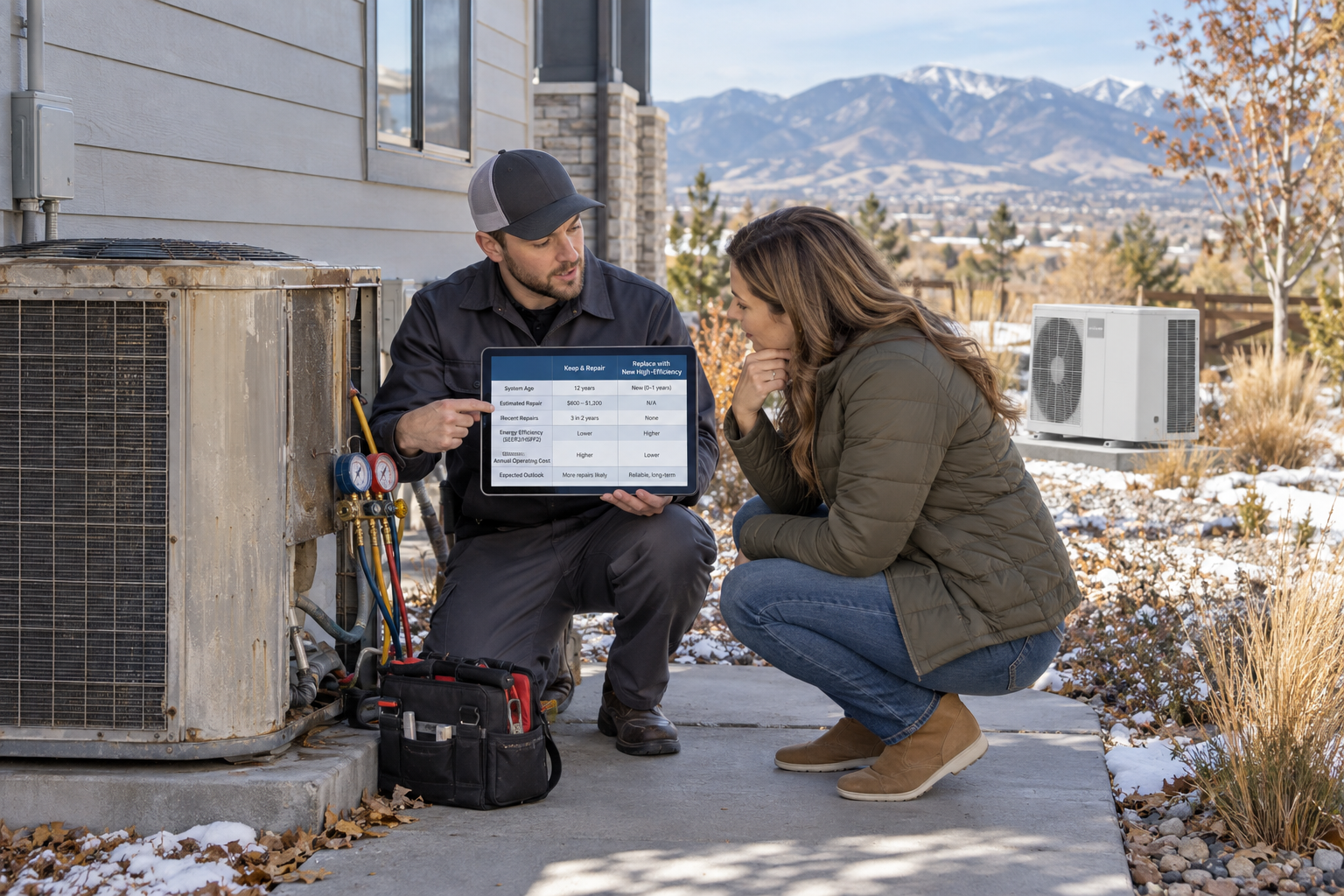
One of the primary disadvantages of heat pumps is reduced efficiency during extremely cold weather compared to traditional gas furnaces. As outdoor temperatures drop significantly, the system must work harder to extract usable heat from the air. Many homeowners eventually seek heat pump repair in Denver, CO, after noticing reduced heating performance during severe winter conditions.
Heat pumps can also be more sensitive to maintenance problems than conventional heating systems. Dirty filters, refrigerant leaks, airflow restrictions, or malfunctioning components may significantly reduce efficiency during winter operation. A neglected system often requires heat pump repair in Denver, CO, sooner because small problems become amplified during periods of heavy demand.
Despite these limitations, modern cold climate heat pumps have improved dramatically over the past several years. Many systems now perform very effectively even during harsh Colorado winters when installed and maintained correctly. At
Denver Heat Pump Services, we help homeowners select systems specifically designed for Denver’s climate while providing ongoing heat pump repair Denver CO support to maximize winter efficiency and long term performance.
Why Preventative Maintenance Matters During Denver Winters
Preventative maintenance is one of the most important steps homeowners can take to avoid unexpected winter breakdowns. Many freezing issues develop gradually due to clogged filters, blocked airflow, dirty coils, or worn components that could have been identified during routine inspections. Homeowners who delay maintenance often end up needing emergency heat pump repair Denver CO service during the coldest days of the year.
Denver’s changing weather patterns create unique stress on heat pump systems. One day may bring mild temperatures, while the next includes snowstorms and freezing overnight conditions. These rapid changes force systems to adjust constantly, increasing wear on important components. Scheduling professional heat pump repair Denver CO maintenance before winter arrives helps identify small issues before they turn into expensive failures.
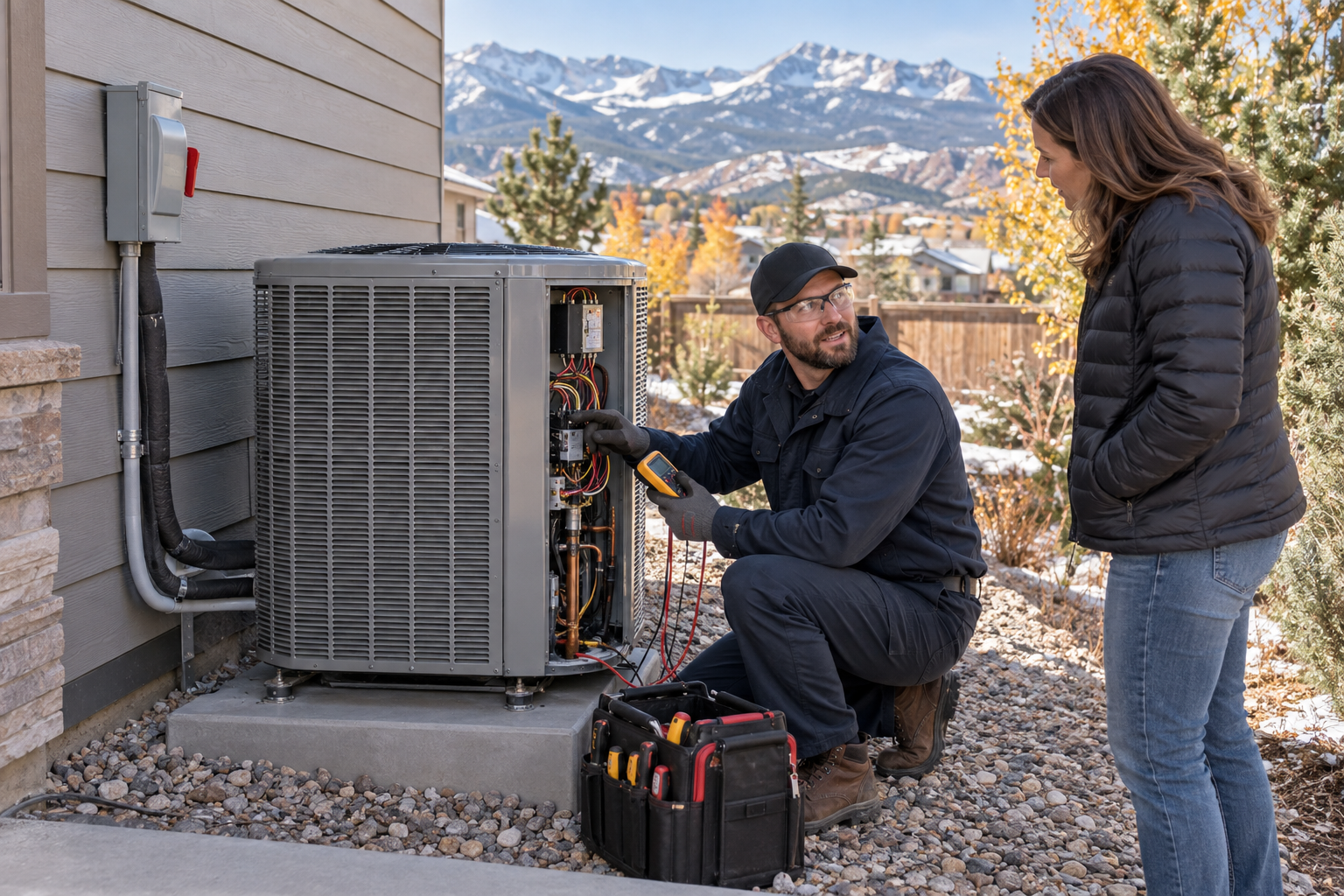
We recently helped a homeowner in Littleton whose heat pump repeatedly froze overnight during a cold snap. They initially believed the unit was too old to handle Colorado winters. After inspection, we discovered that clogged filters and snow buildup around the outdoor unit were significantly restricting airflow. Once those issues were corrected, the system returned to normal operation without requiring major replacement. Experiences like this highlight why preventative heat pump repair Denver, CO, maintenance often saves homeowners money and frustration during winter.
Conclusion
Heat pumps are designed to operate during winter weather, but Denver’s climate still requires homeowners to pay close attention to maintenance, airflow, and early warning signs of freezing problems. While light frost is normal, thick ice buildup, weak airflow, or inconsistent heating may indicate a larger issue that requires professional attention.
Understanding how heat pumps function in cold weather can help homeowners avoid unnecessary panic and recognize when service is necessary. Proper maintenance, consistent thermostat settings, and timely inspections all play a major role in preventing costly winter breakdowns and improving overall efficiency.
At Denver Heat Pump Services, we believe early troubleshooting and preventative care are the best ways to keep systems operating reliably through Colorado’s coldest months. If your heat pump is freezing up, struggling to heat your home, or showing signs of winter performance issues,
contact us today for expert heat pump repair Denver CO solutions tailored to your home.