Replacing a heat pump isn’t something most homeowners do often. In fact, many people don’t think about the process at all until their current system starts failing or clearly showing its age. The idea of “replacing a heat pump” can feel overwhelming. What happens first? How long does it take? Do you have to replace everything? Is there anything you should do to prepare?
If these questions sound familiar, you’re not alone. Most homeowners want clarity before committing to such an important upgrade. The good news is that the process is far more organized and predictable than you might expect. When handled by qualified professionals, a Heat Pump Replacement Denver CO project is a smooth, step-by-step experience designed to upgrade your home’s comfort, boost efficiency, and reduce energy costs.
This guide breaks down exactly what happens from start to finish, so you know what to expect when scheduling your
Heat Pump Replacement Denver CO. Whether your current heat pump is nearing the end of its lifespan or you’re exploring more efficient options, this article gives you the clarity and confidence to move forward.
What happens when you replace your heat pump?
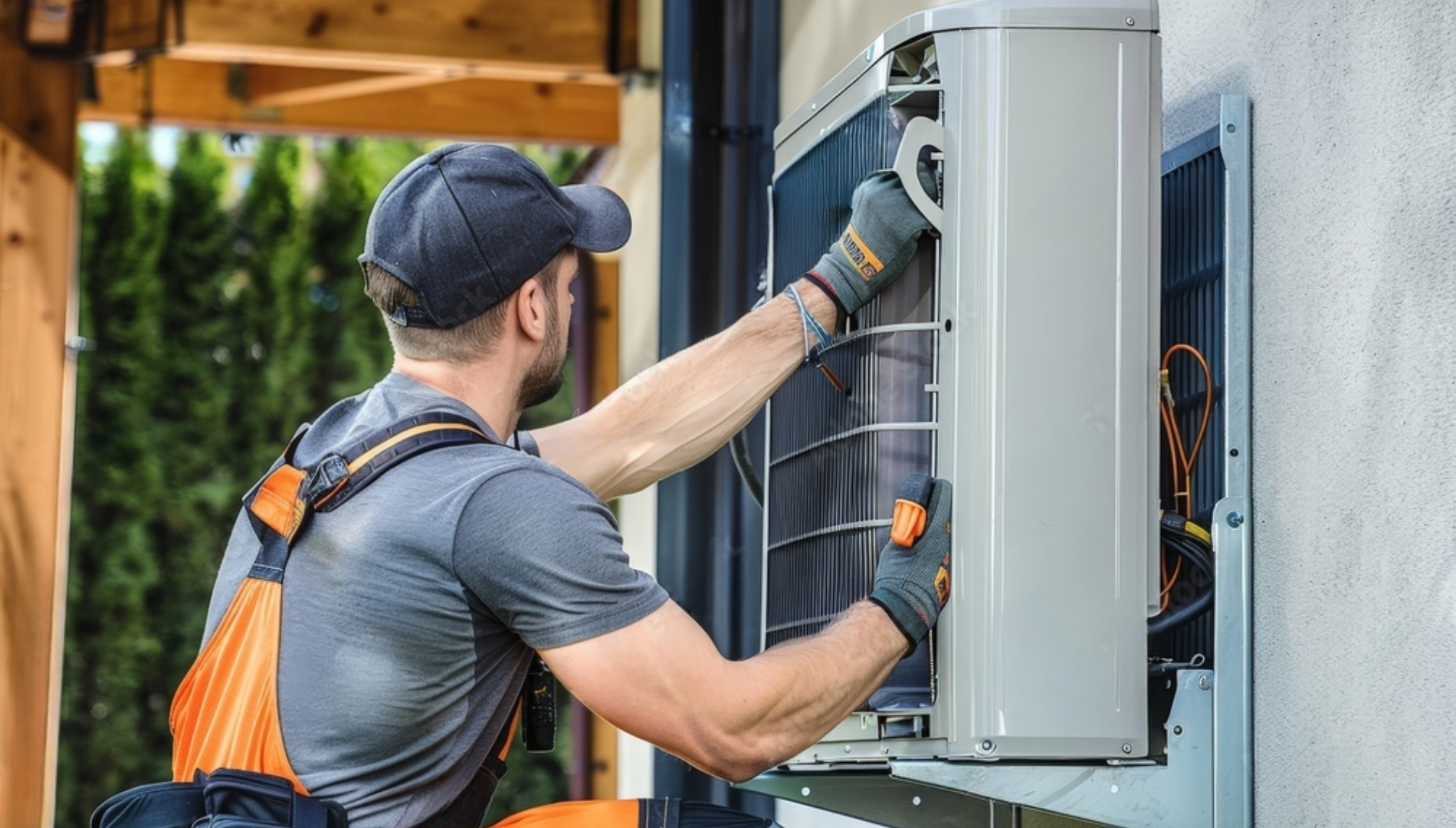
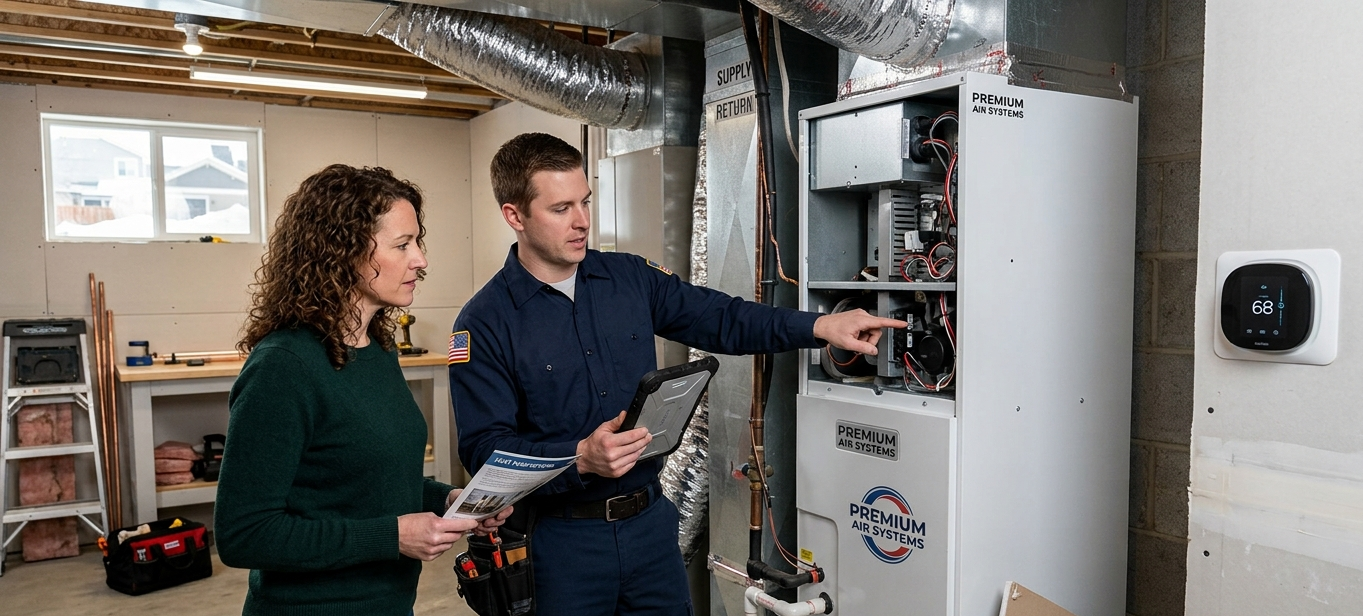
When you replace your heat pump, the process typically involves a thorough assessment of your current system, removal of the old equipment, installation of the new indoor and outdoor units, connection of refrigerant and electrical components, and detailed system testing to ensure everything operates safely and efficiently. Technicians begin by evaluating your home’s heating and cooling needs, confirming the proper system size, and preparing the work area inside and out.
Next, the old heat pump is disconnected, removed, and properly disposed of according to local regulations. The new heat pump is then installed, leveled, and connected to the existing ductwork or to updated components if changes are required. Once everything is sealed and secured, technicians pull a vacuum on the refrigerant lines, charge the system to manufacturer specifications, and test all controls, sensors, and thermostat functions. They finish by checking airflow, system pressures, and temperature output.
According to the
U.S. Department of Energy, proper heat pump installation is essential for efficiency, performance, and equipment longevity. With the right team handling your Heat Pump Replacement Denver CO, the entire process is structured, efficient, and often completed within a single day.
How Does a Heat Pump System Work Step by Step?
To understand heat pump replacement, it helps to know how the system works. A heat pump doesn’t “create” heat, it moves heat from one place to another.
Here’s a simple step-by-step breakdown of how a heat pump functions:
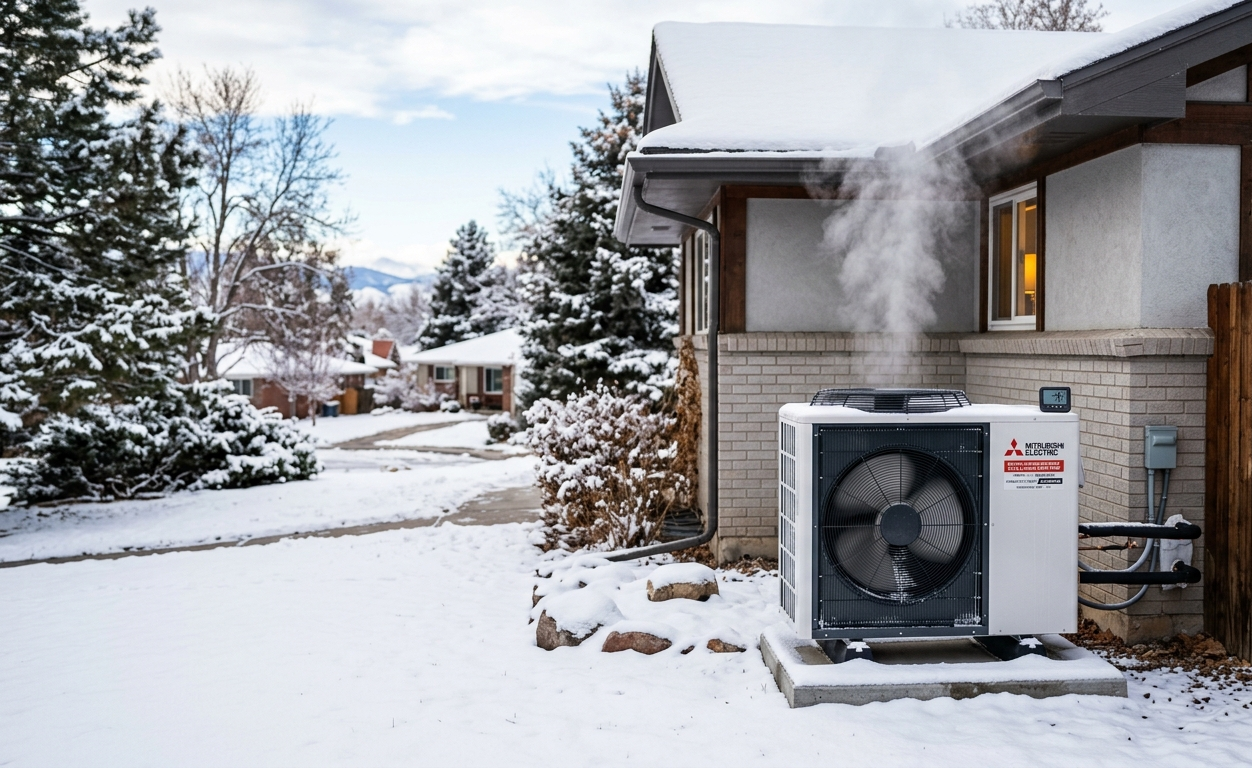
- Heat absorption: In heating mode, the outdoor coil absorbs heat energy from the air, even in cold temperatures.
- Refrigerant compression: The refrigerant is compressed, raising its temperature significantly.
- Heat transfer indoors: Warm refrigerant flows to the indoor coil, where heat is released into your home.
- Air circulation: The air handler blows that warm (or cool) air through your ductwork to each room.
- Reversal in summer: In cooling mode, the process reverses to move heat from inside your home to the outdoors.
Because heat pumps provide comfort year-round, they operate more frequently than many other HVAC systems. This is one reason homeowners in fluctuating climates like Denver often need timely upgrades and professional Heat Pump Replacement Denver CO when their older units can no longer keep up.
If your current system is aging or no longer efficient, upgrading through a professional provider such as
Denver Heat Pump Services ensures the new heat pump is sized, matched, and installed correctly.
Can I Replace Just My Heat Pump?
You can sometimes replace just your heat pump, but not always, and whether it’s a good idea depends on how compatible your current system is. In some cases, replacing only the heat pump (both the indoor and outdoor units) works perfectly fine. This is usually possible when your existing air handler is compatible with the new equipment, your ductwork is in good condition, the system uses the same type of refrigerant, and the indoor components can support the SEER or SEER2 efficiency requirements of newer models. It also helps if the rest of your system is relatively modern and correctly sized for your home.
However, there are plenty of situations where replacing only the heat pump isn’t recommended or simply won’t work. If the indoor and outdoor units would end up mismatched, if your older air handler relies on outdated refrigerant like R-22, or if the blower motor can’t provide the airflow required for a new heat pump, a partial replacement may cause more harm than good.
Efficiency can drop significantly, breakdowns can become more frequent, and mismatched systems often fail sooner. In many cases, manufacturers also require matched components to keep warranties valid.
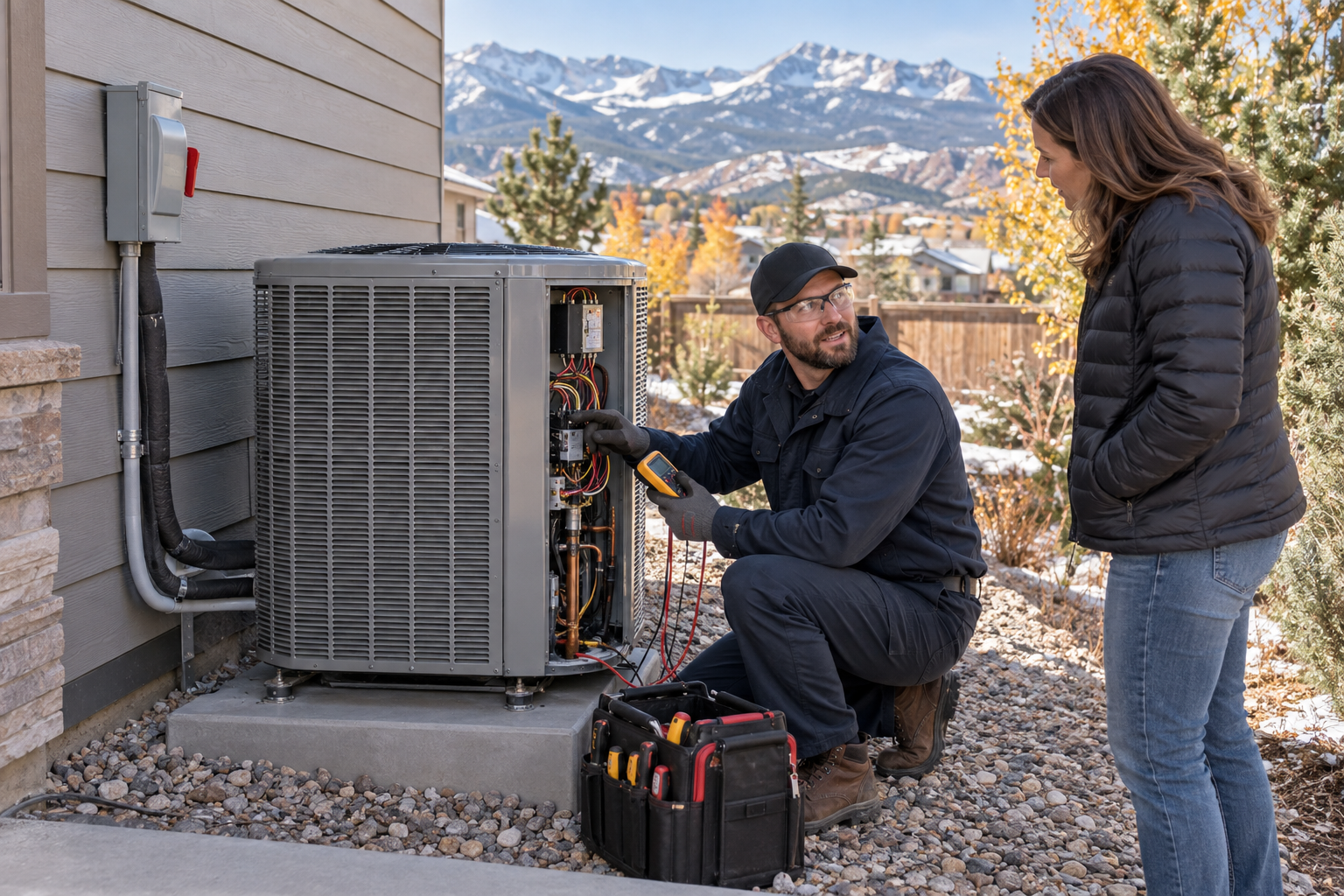
Because every home’s setup is different, a certified HVAC technician should evaluate your system to determine whether a full or partial Heat Pump Replacement Denver CO is the better option. This is also an ideal time to gather quotes from multiple installers, since pricing, recommendations, and equipment options can vary widely.
How Long Does a Heat Pump Replacement Take?
Most heat pump replacement jobs take about 4 to 8 hours, although the exact timeline depends on several factors such as the size and location of the units, whether new line sets are needed, whether the air handler must also be replaced, and whether any ductwork modifications are required.
The complexity of the electrical connections and the accessibility of the indoor and outdoor components can also affect how long the project takes. For a typical Heat Pump Replacement Denver CO installation, the process generally begins with 1–2 hours of disconnecting and removing the old heat pump.
This is followed by 2–4 hours of installing and mounting the new indoor and outdoor units. From there, technicians usually spend about an hour running new wiring or updating existing electrical connections, and another hour pulling a vacuum, charging the refrigerant, and thoroughly testing the system to make sure everything is operating correctly.
If you’re replacing the full system, including duct adjustments, electrical panel upgrades, or additional modifications, the project may take closer to 6–10 hours. Even with the longer timeline, most installations are still completed in a single day. Companies providing Heat Pump Replacement Denver CO services typically plan their schedules to minimize downtime, ensuring your home stays as comfortable as possible during the transition.
What Is the Process of Installing a Heat Pump?
Installing or replacing a heat pump involves several critical steps to ensure efficiency, safety, and long-term performance. Below is a detailed breakdown of what technicians typically do during a Heat Pump Replacement Denver CO installation:
- Initial Assessment and System Sizing
The technician evaluates your home’s layout, insulation, square footage, and existing equipment to determine the correct heat pump size and model. - Removal of the Old Equipment
This includes disconnecting electrical lines, refrigerant piping, and ductwork connections. The old heat pump is carefully removed and disposed of safely. - Preparing the Area
The outdoor pad is checked for stability and level. If replacing the indoor unit, the air handler or furnace space is prepared as well. - Installing the New Outdoor Unit
The new heat pump is set into place, secured, and connected to line sets and electrical components according to manufacturer specifications. - Installing or Updating the Indoor Unit
If the air handler is part of the replacement, it’s mounted, leveled, and connected to the duct system and condensate drain. - Refrigerant Line and Electrical Connections
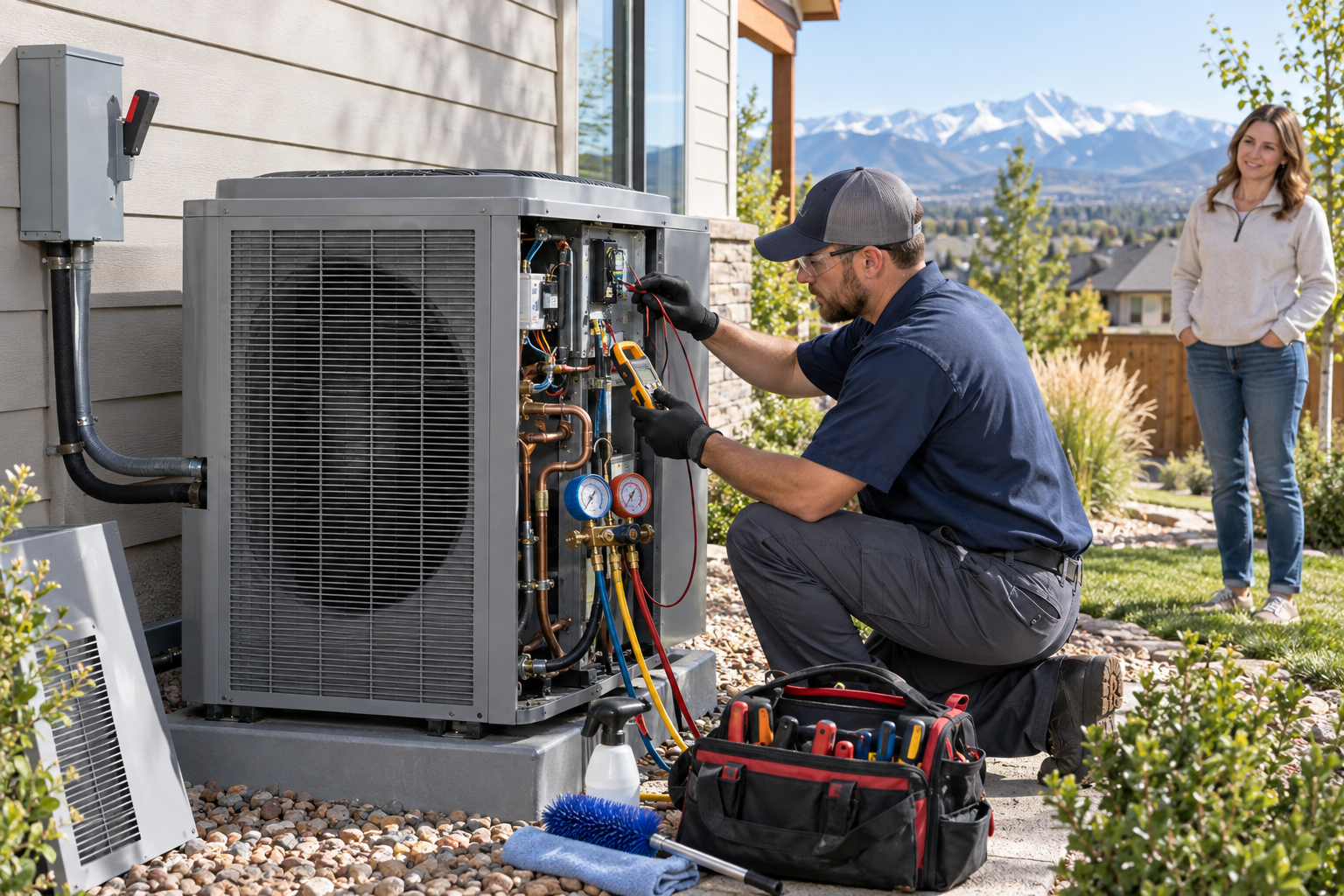
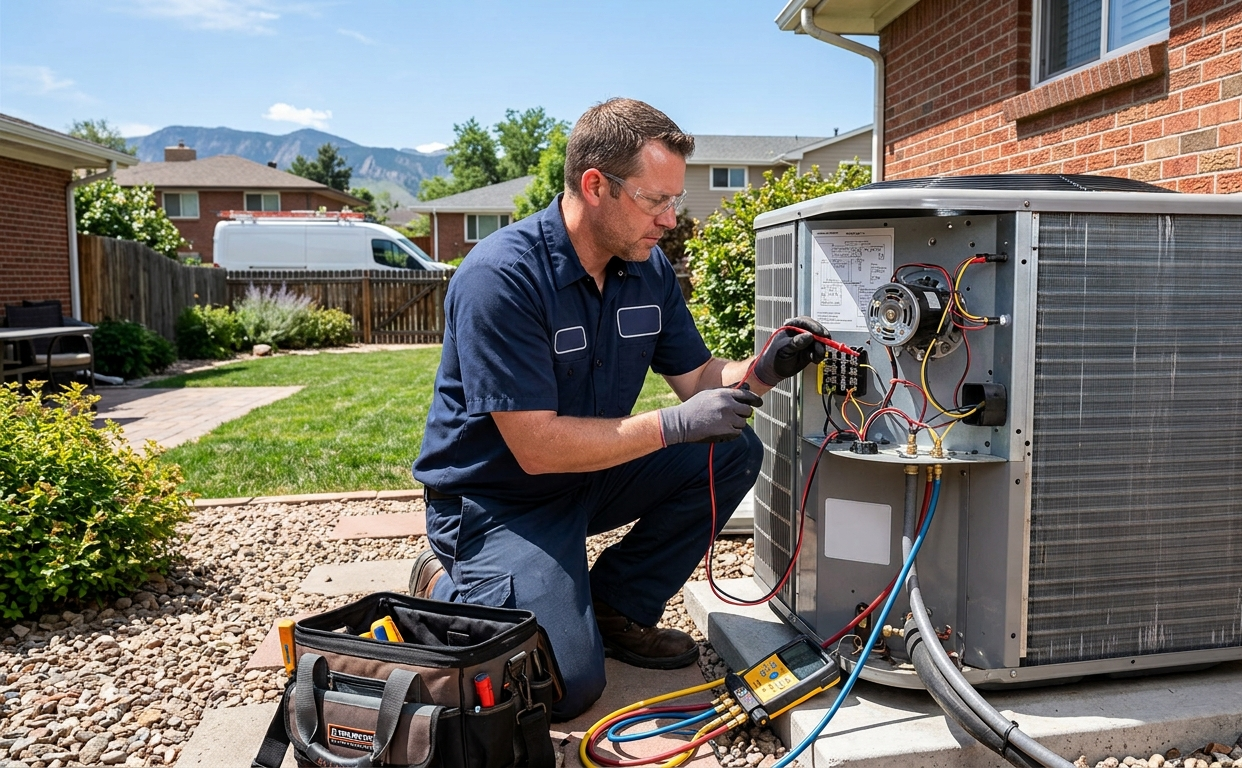
Line sets are either reused (if compatible and in good condition) or replaced. Wiring is connected and checked for safety and proper voltage. - Vacuuming and Charging the System
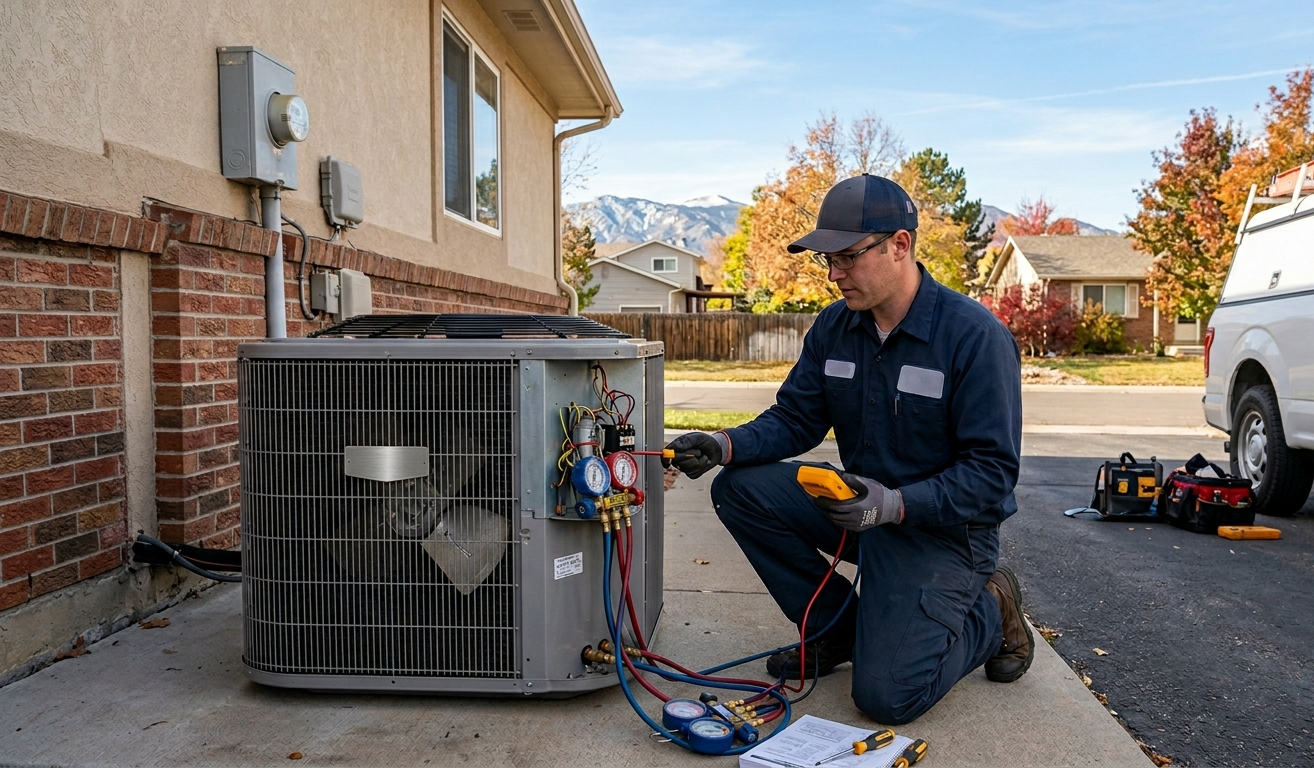
A vacuum pump removes moisture and air from the lines before the system is charged with refrigerant to the correct level. - Testing and System Calibration
Technicians run the heat pump through both heating and cooling cycles to verify:
- Proper airflow
- Correct refrigerant pressure
- Efficient temperature output
- Thermostat accuracy
- Safe electrical operation
You’ll receive instructions on system operation, thermostat use, warranty details, and maintenance tips to help you get the most from your new system.
Companies like Denver Heat Pump Services follow detailed industry protocols so every Heat Pump Replacement Denver CO installation meets manufacturer standards and local code requirements.
How to Prepare for Heat Pump Installation?
Preparing your home for heat pump installation helps streamline the process and reduce delays. Here’s what homeowners can do ahead of the appointment:
- Clear space around both units
- Make sure the outdoor area is free of clutter, plants, snow, or stored items.
- Clear a path to the indoor unit so technicians can move tools and equipment safely.
- Secure pets and children
This keeps everyone safe and avoids distractions while the crew works. - Review your electrical panel
If your panel is older or near capacity, a technician may need to assess whether it can support the new heat pump. This is common in larger Heat Pump Replacement Denver CO projects. - Move fragile or valuable items
If the indoor unit is in a closet, basement, or attic, relocate items that might block access or be at risk of damage. - Ask about thermostat compatibility
Some modern heat pumps work best with specific programmable or smart thermostats. - Confirm the expected installation duration
Knowing the approximate timeline helps you plan your day. - Have your questions ready
Think about warranties, maintenance schedules, noise levels, efficiency ratings, and any new system features you care about.
Prepping ahead makes your Heat Pump Replacement Denver CO process smoother, more efficient, and far less stressful.
What Is the Lifespan of a Heat Pump?
Most heat pumps last between 12 and 17 years, though the exact lifespan depends on factors like the quality of the system, the quality of the installation, how often the unit runs, the local climate, and how well the equipment is maintained over time.
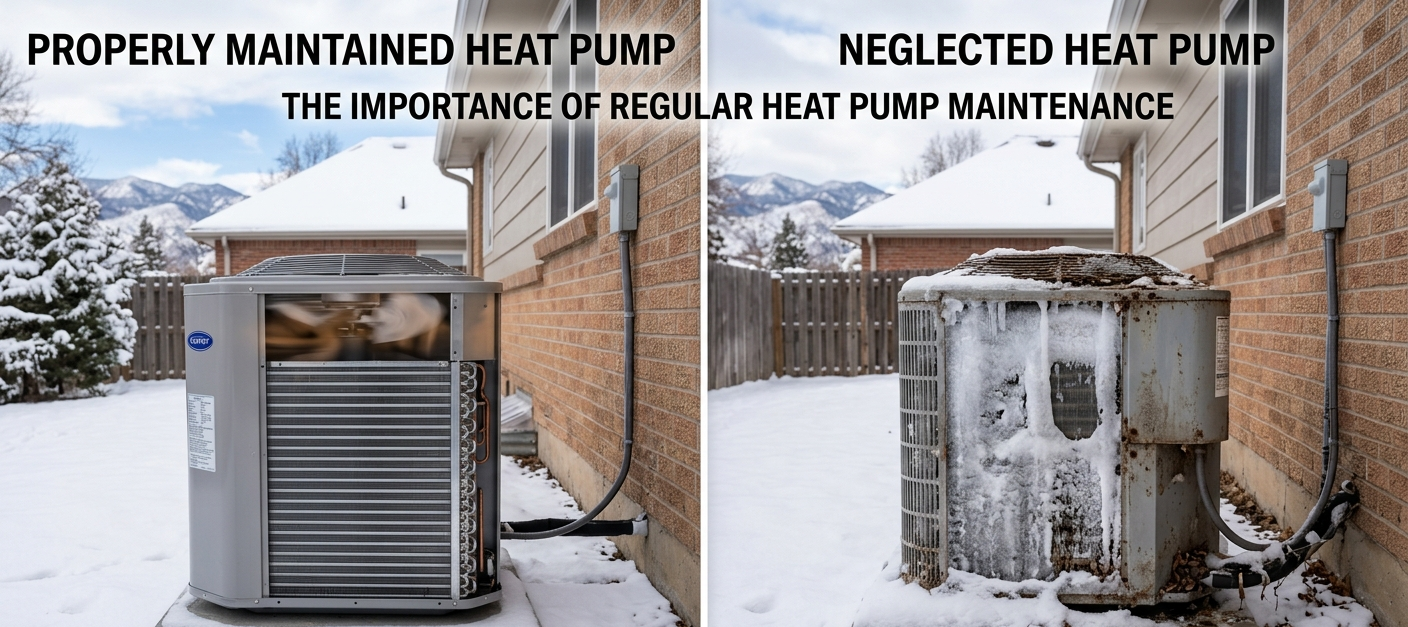
In demanding climates with wide temperature swings, like Denver, heat pumps tend to work harder throughout the year, which can shorten their lifespan if they aren’t properly cared for. Regular tune-ups, filter changes, and periodic inspections from a qualified provider can go a long way toward extending the life of your system and protecting your investment.
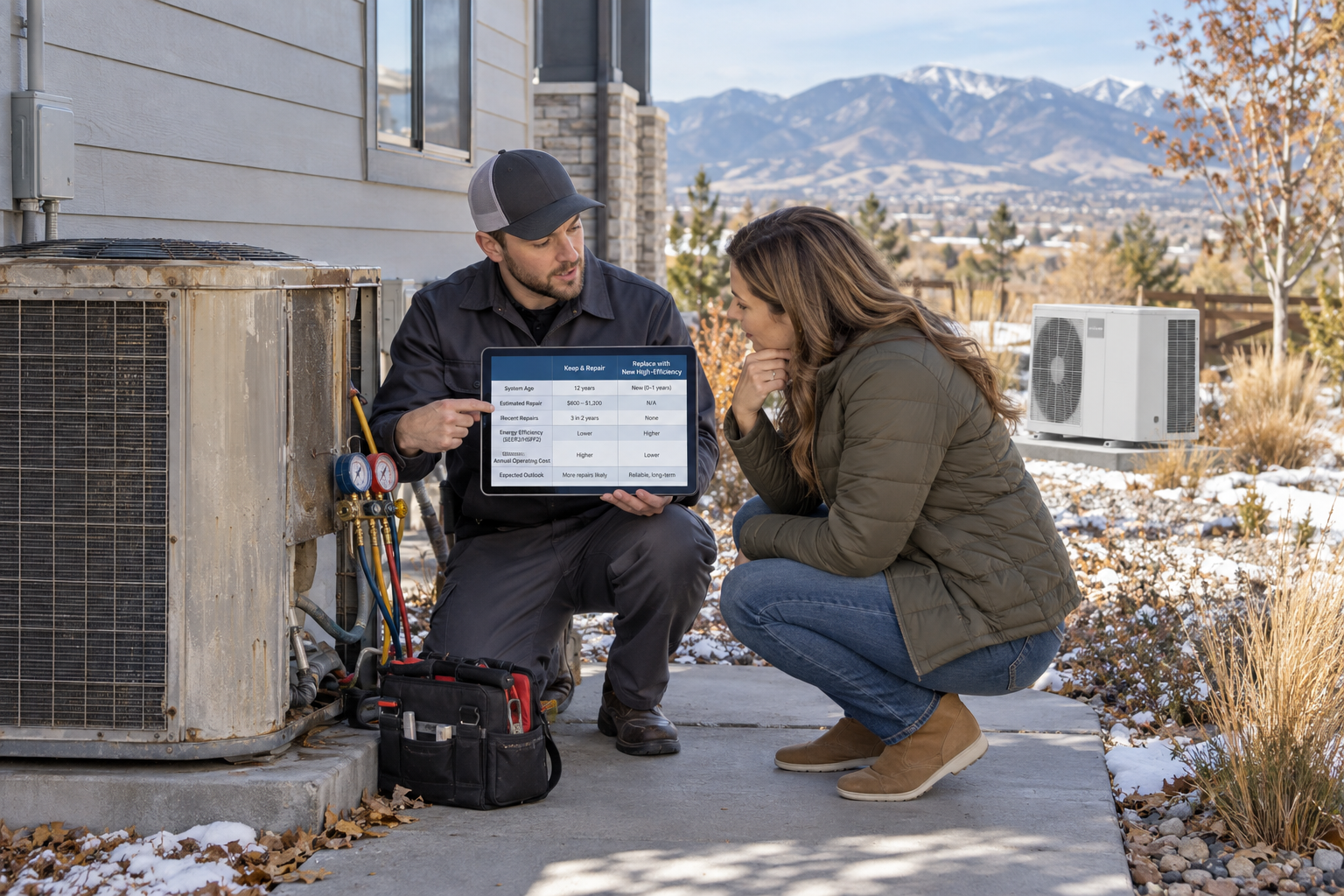
If your current heat pump is over 12 years old, struggling to maintain consistent comfort, making unusual noises, or causing a noticeable increase in your utility bills, it may be time to start considering an upgrade. Choosing a
professional Heat Pump Replacement Denver CO service can dramatically improve your home’s efficiency, comfort, and long-term reliability, especially when paired with expert installation and ongoing maintenance.
Conclusion
Replacing a heat pump may seem intimidating at first, but once you understand each step of the process, it becomes far less overwhelming. A professional replacement is designed to be efficient, organized, and minimally disruptive to your home.
Whether your system is aging, inefficient, or simply beyond repair, upgrading to a modern heat pump can dramatically improve comfort and energy savings. With proper installation, the right system sizing, and consistent maintenance, your new heat pump can deliver reliable heating and cooling for many years.
If you’re preparing for an upcoming replacement or simply exploring your options, working with a skilled local provider for Heat Pump Replacement Denver CO ensures the process is smooth from start to finish and that your new system is set up for long-term success.
For expert guidance, scheduling, or a personalized quote,
reach out to Denver Heat Pump Services.