Choosing a new heat pump is not something most homeowners expect to do often. When the moment arrives, whether due to an aging HVAC system, rising energy bills, or a desire for better comfort, the number of options can feel overwhelming. Many Denver homeowners begin their search assuming all heat pumps function the same way, only to discover that small differences in system design, sizing, and installation quality can significantly affect comfort, efficiency, and long-term costs.
We have spoken with countless homeowners across Denver who regret rushing the decision. Some experienced uneven temperatures from room to room. Others saw higher utility bills than expected or found their system struggling during winter cold snaps. In nearly every case, the issue was not the technology itself but how it was selected and installed. That is why understanding the full picture before committing to
Heat Pump Installation Denver Co matters more than most people realize.
This guide explains how to choose the right heat pump in a clear, homeowner-focused way. You will learn what truly matters, how to avoid costly mistakes, and why expert guidance plays such a critical role in successful Heat Pump Installation Denver Co projects. The goal is simple: help you make a confident decision that delivers comfort and efficiency for years to come.
How Do You Choose The Right Heat Pump?
Choosing the right heat pump begins with understanding your home’s size, insulation quality, layout, and Denver’s unique climate demands. A properly selected heat pump should be correctly sized to meet your heating and cooling needs, efficient enough to reduce long-term energy costs, and capable of performing reliably during extreme temperatures. Important factors include heating capacity, SEER and HSPF efficiency ratings, and whether a ducted or ductless system fits your home best.
Professional load calculations and in-home evaluations are essential, as improperly sized systems often lead to discomfort and unnecessary wear. Working with experienced professionals ensures Heat Pump Installation Denver Co is done correctly, maximizing comfort, efficiency, and system lifespan.
Heat Pumps In Denver Homes
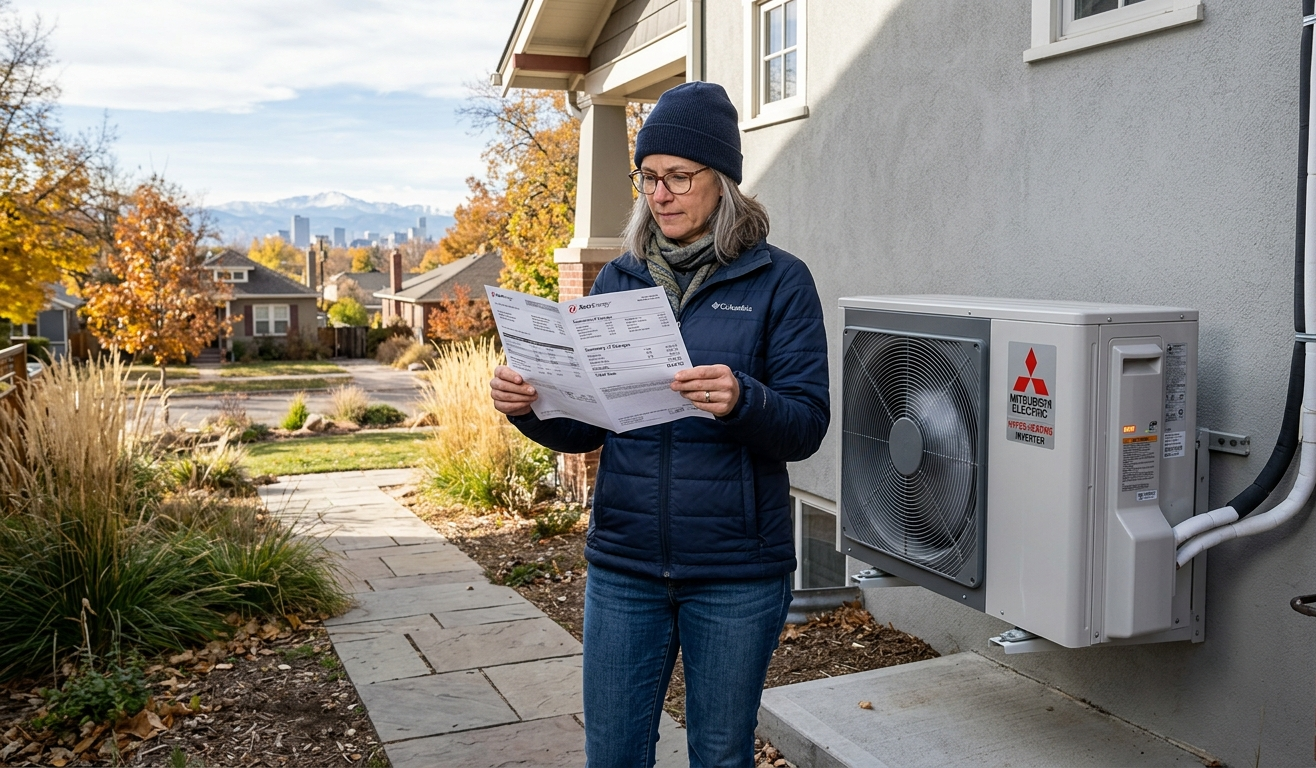
Denver homeowners face challenges that homeowners in milder climates rarely consider. Cold winter temperatures, high elevation, and low humidity demand heat pumps that can perform efficiently even when outdoor temperatures drop well below freezing. We often meet homeowners who chose a system based on price or brand reputation alone, only to discover it could not keep up during extended cold spells.
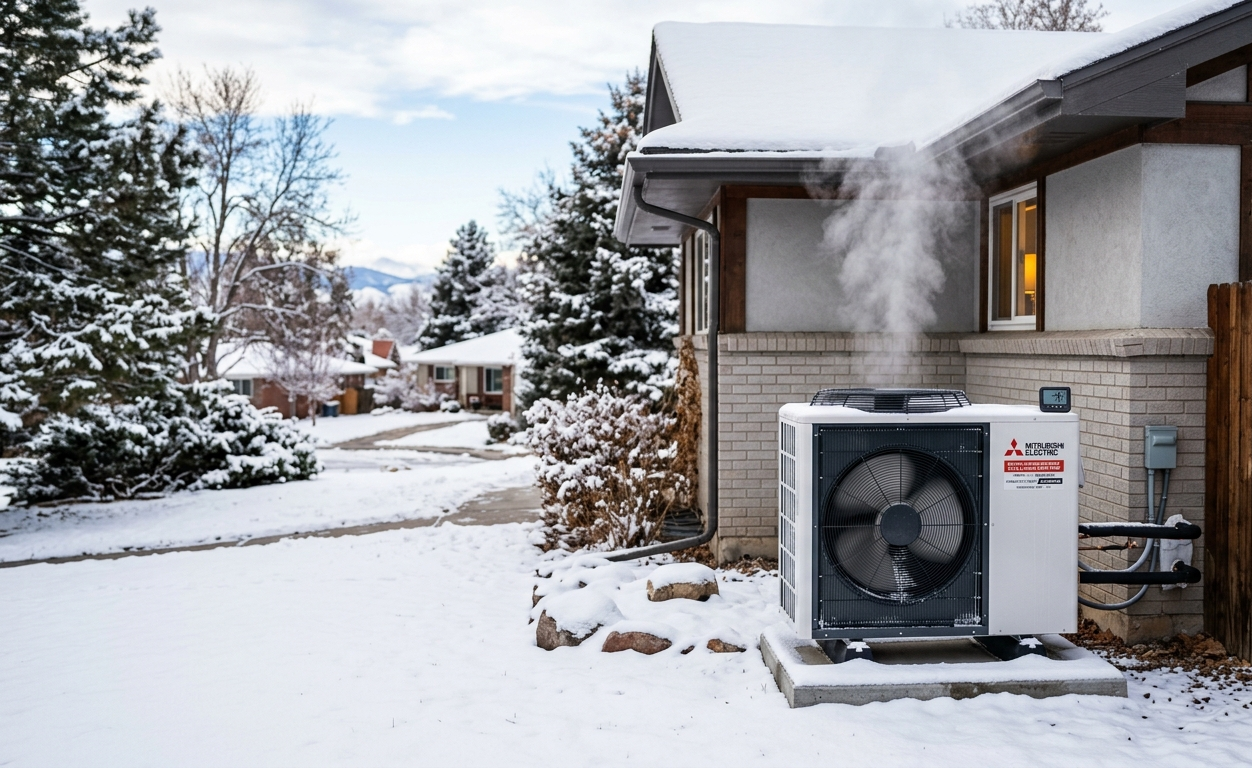
Local knowledge matters when it comes to Heat Pump Installation Denver Co. Denver Heat Pump Services evaluates elevation, insulation standards, building age, and neighborhood construction styles before making recommendations. Many modern cold-climate heat pumps perform exceptionally well in Denver, but only when they are properly matched to the home and installed with precision. That local insight translates into steadier indoor temperatures, lower energy costs, and fewer service issues over time.
How To Choose The Right Heat Pump?
Choosing the right heat pump should always begin with understanding your home’s specific needs rather than focusing on brand names or promotional pricing. Square footage is only part of the equation. Ceiling height, window placement, insulation levels, air leakage, and even how much sunlight your home receives throughout the day all influence performance.
Homeowners should also consider existing comfort issues. Are certain rooms consistently colder in winter or warmer in summer? Do temperature differences exist between floors? These patterns often reveal whether a ducted system, ductless mini split, or hybrid configuration will deliver better results.
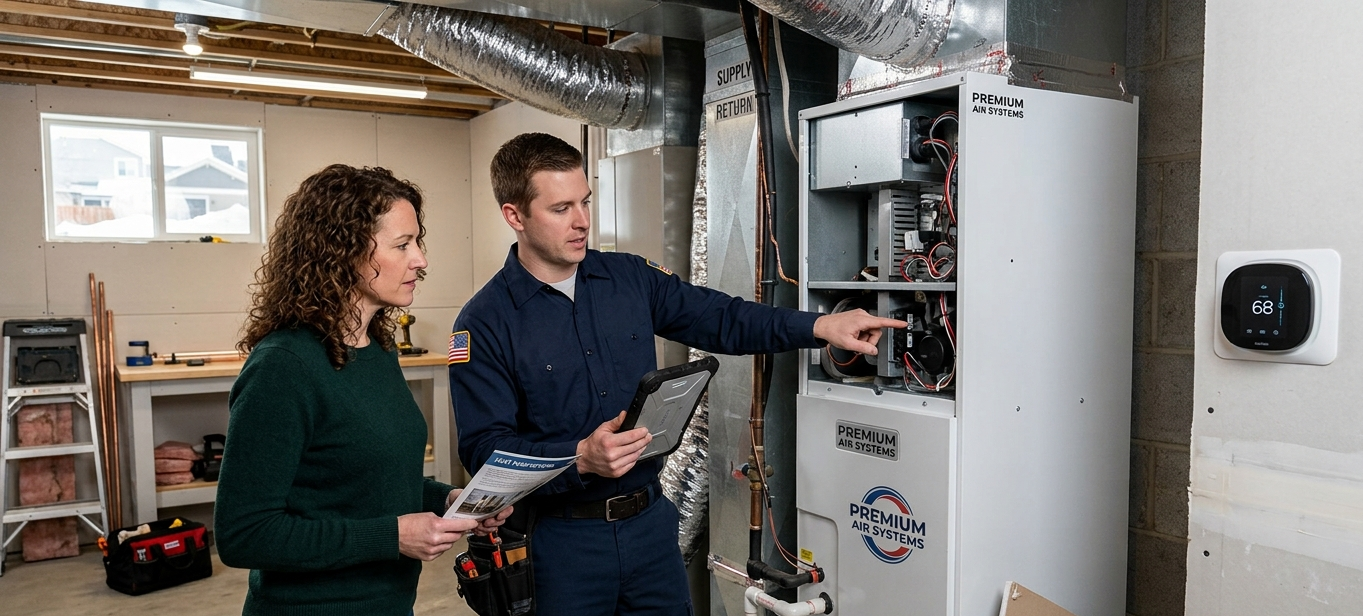
At Denver Heat Pump Services, every Heat Pump Installation Denver Co project starts with a comprehensive home evaluation. This process allows us to recommend systems that balance performance and efficiency without unnecessary complexity. Taking the time to assess the home correctly prevents overspending and ensures the system delivers consistent comfort year-round. Learn more by reading
7 Urgent Signs Your Heat Pump Needs Immediate Repair.
What Are The Three Main Characteristics That Influence The Selection Of A Heat Pump For A Given Application?
Three key characteristics influence heat pump selection: capacity, efficiency, and climate compatibility. Each plays a distinct role, but they must work together to produce reliable comfort.
Capacity refers to how much heating and cooling the system can provide. A system that is too small will run continuously without reaching the desired temperature. A system that is too large will cycle on and off frequently, wasting energy and increasing wear on components. Both scenarios often lead to dissatisfaction after Heat Pump Installation Denver Co is complete.
Efficiency is measured using ratings such as SEER for cooling and HSPF for heating. Higher ratings generally translate to lower utility bills, especially in Denver, where heating demand remains high for much of the year. While higher efficiency systems may cost more upfront, they often deliver significant savings over time.
Climate compatibility ensures the heat pump can maintain output during cold temperatures. According to the
U.S. Department of Energy, modern cold-climate heat pumps are designed to operate efficiently even when outdoor temperatures drop well below freezing. This feature is essential for successful Heat Pump Installation Denver Co projects.
Professional guidance ensures these characteristics are evaluated together, not independently, which is why expert involvement remains so important.
How To Pick The Right Size Heat Pump?
Proper sizing is one of the most misunderstood aspects of heat pump selection. Bigger does not mean better. Oversized systems tend to heat or cool the space too quickly, shutting off before evenly distributing air or managing humidity. Undersized systems struggle to maintain comfort and often run constantly.
The correct size is determined using a Manual J load calculation. This process considers insulation levels, window types, orientation, air leakage, and Denver’s climate conditions. Relying solely on square footage often leads to mistakes that become apparent only after Heat Pump Installation Denver Co is complete.
At Denver Heat Pump Services, precise sizing is non-negotiable. We have corrected countless installations where homeowners were told a system was close enough. Precision directly affects comfort, energy efficiency, and long-term system reliability.
Ducted Vs. Ductless Heat Pumps
Ducted heat pump systems work well in homes with existing ductwork that is properly sealed and sized. They provide whole-home comfort and can be a seamless replacement for older forced-air systems. For many homeowners pursuing Heat Pump Installation Denver Co, ducted systems offer familiarity and simplicity.
Ductless systems, often referred to as mini splits, provide greater flexibility. They work particularly well in older homes, room additions, finished basements, or spaces where ductwork is impractical. Ductless systems also allow for zoned comfort, giving homeowners more control over individual room temperatures.
Choosing between ducted and ductless systems depends on layout, budget, and comfort goals. An experienced installer can explain the tradeoffs and help determine which option delivers the best long-term value.
Energy Savings And Long-Term Costs
While heat pumps often require a higher upfront investment than traditional heating systems, long-term savings frequently offset the initial cost. Efficient systems consume less energy, resulting in lower monthly utility bills and reduced dependence on fossil fuels.
Homeowners considering Heat Pump Installation Denver Co should also factor in available rebates, tax incentives, and utility programs. These incentives can significantly reduce the overall cost and improve return on investment.
Beyond financial savings, modern heat pumps offer quieter operation, improved indoor air quality, and more consistent comfort. Over the life of the system, these benefits often outweigh the initial price difference.
Why Professional Installation Matters
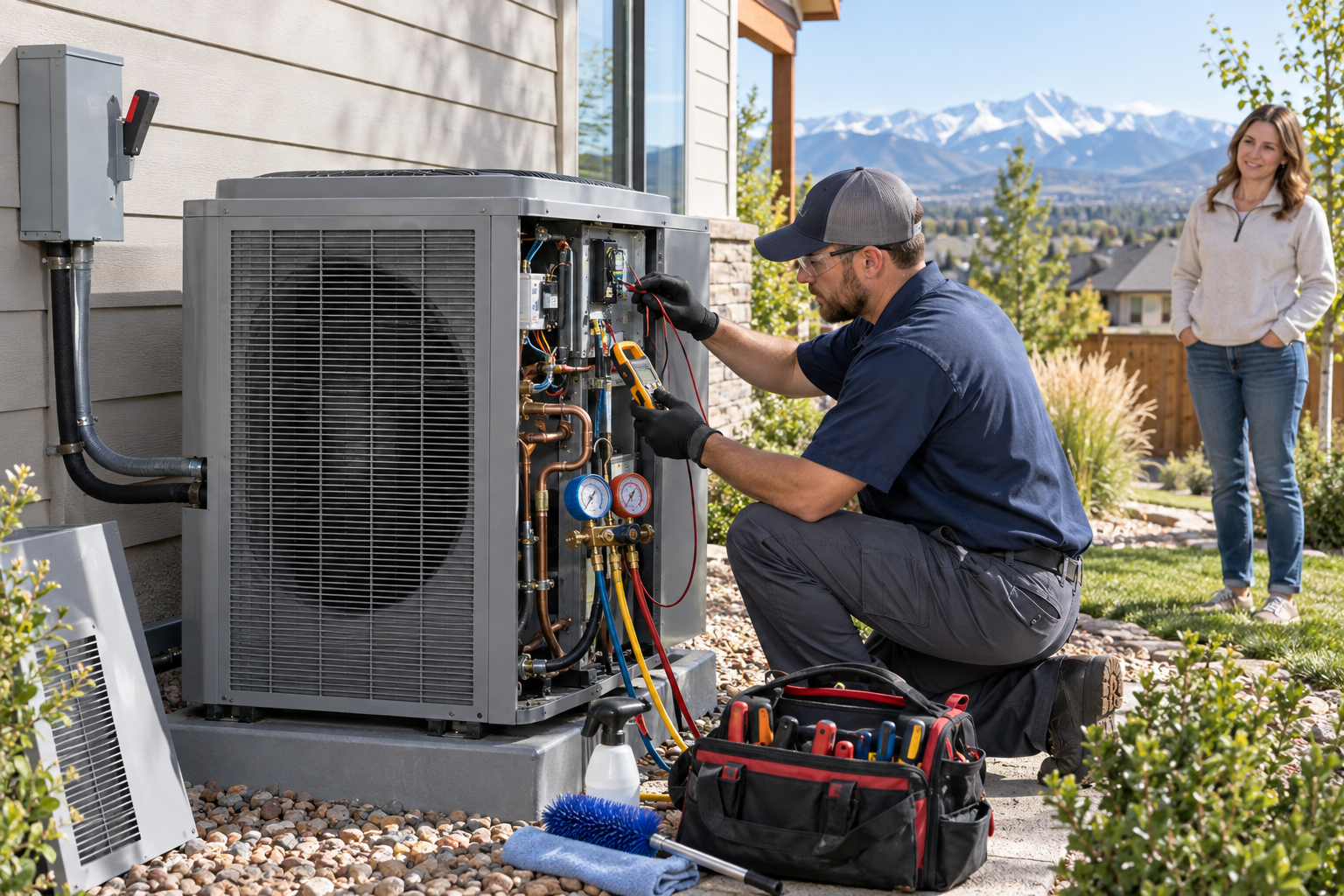
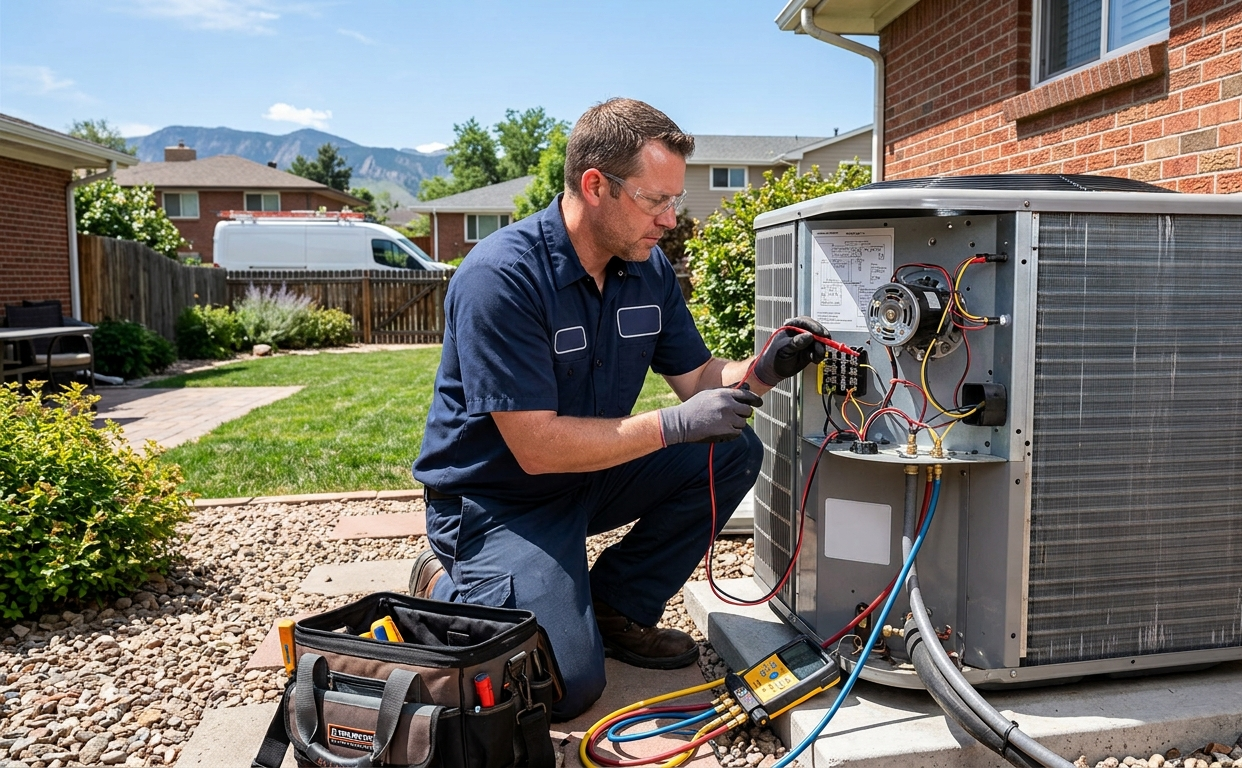
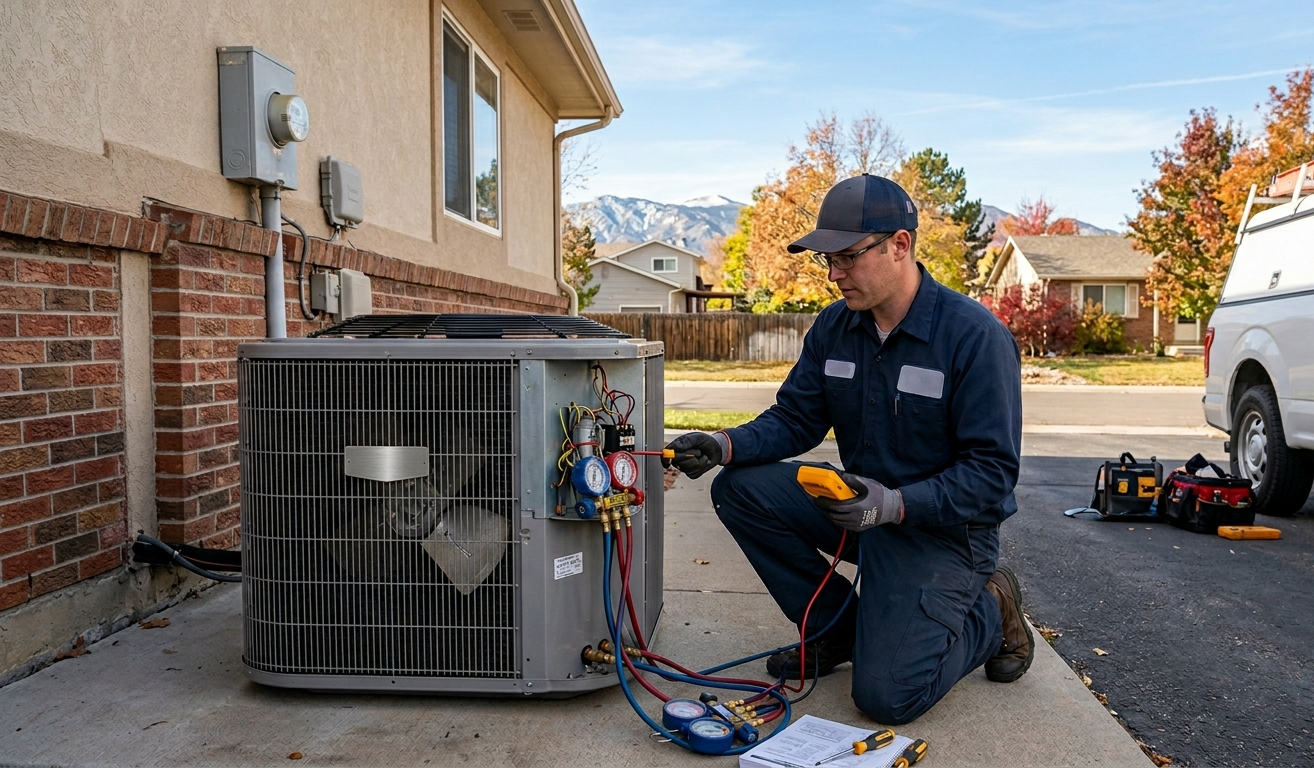
Even the most advanced heat pump will underperform if installed incorrectly. Proper refrigerant levels, airflow balance, electrical connections, and system calibration are critical to efficiency and longevity.
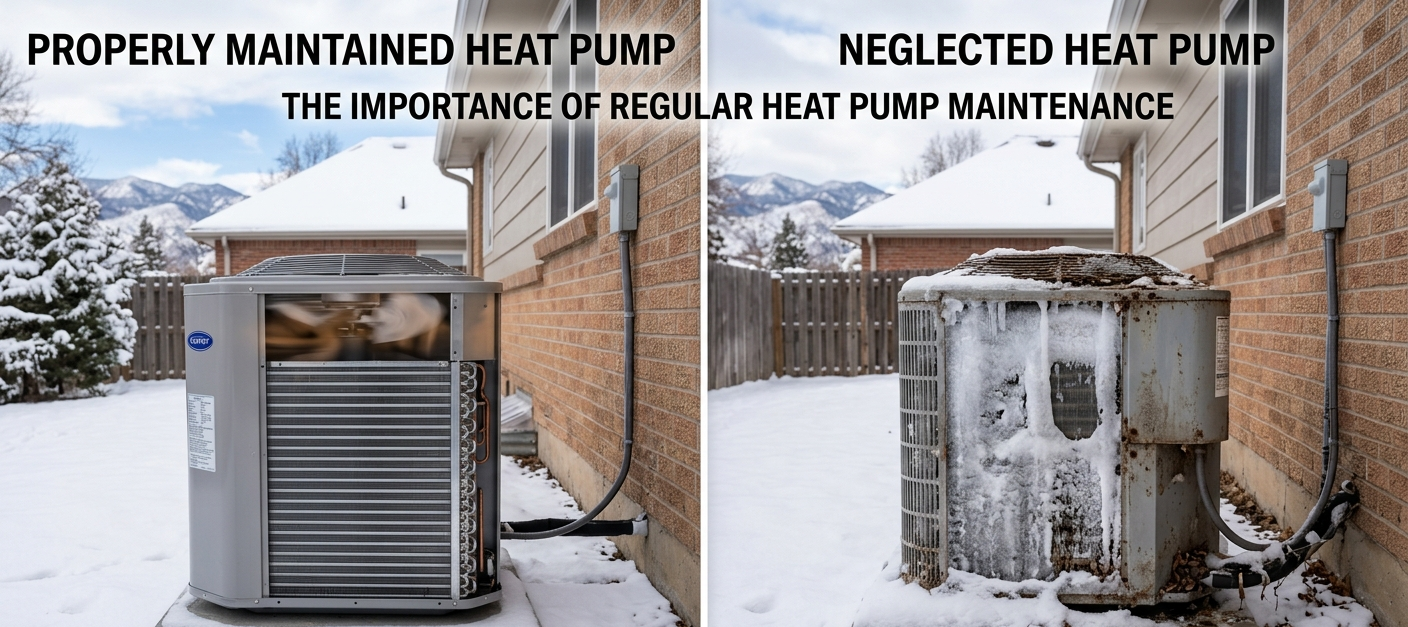
Professional Heat Pump Installation Denver Co ensures the system operates as designed. Incorrect installation can lead to premature component failure, higher energy costs, and frequent service calls. Experienced installers also ensure compliance with local codes and manufacturer requirements, protecting warranties and long-term performance.
Denver Heat Pump Services approaches every installation with attention to detail because quality workmanship directly affects homeowner satisfaction.
Final Thought
Choosing the right heat pump is not about following trends or choosing the lowest price. It is about understanding how your home functions and selecting technology that supports those needs. When properly selected and professionally installed, heat pumps provide reliable comfort, efficiency, and peace of mind through every season Denver delivers.
At Denver Heat Pump Services, we believe informed homeowners make better decisions. When you understand your options and work with professionals who value precision, Heat Pump Installation Denver Co becomes a long-term investment rather than a short-term fix.
Contact Denver Heat Pump Services today to schedule an evaluation, request a quote, or explore the best heat pump options for your home.
Follow our social media pages below: